The State Department greenlit more than $8 billion in weapons sales to Persian Gulf states and Israel on Friday, invoking emergency authority to bypass congressional review. The approvals cover a range of advanced systems for the United Arab Emirates, Qatar, Kuwait, and Israel—all of which have been drawn into the ongoing U.S.-Israeli confrontation with Iran.
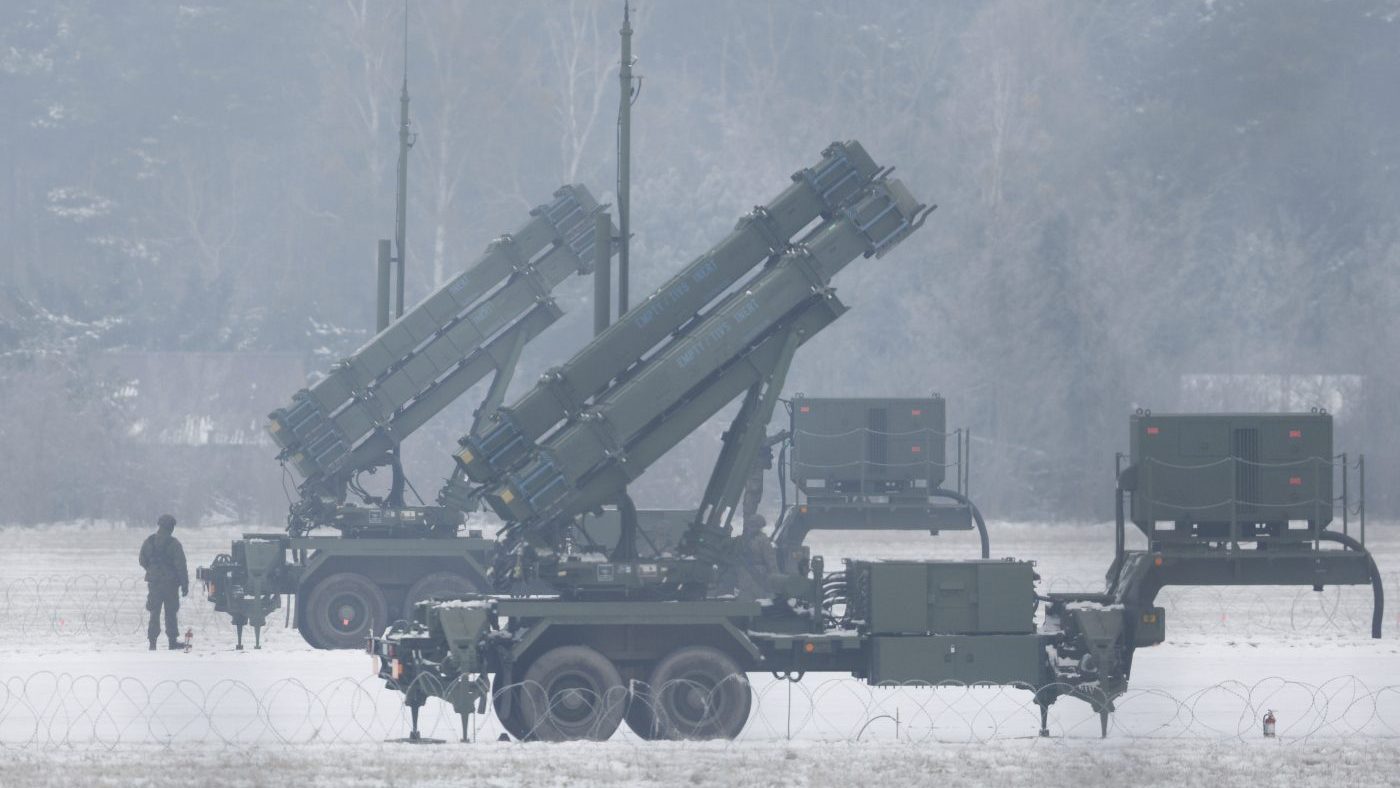
The largest single deal is a $4.01 billion replenishment of Qatar's Patriot missile defense capacity. Kuwait will receive an Integrated Battle Command System valued at $2.5 billion. In addition, the Advanced Precision Kill Weapon System (APKWS)—a laser-guided rocket kit—was approved for the UAE ($147.6 million), Israel ($992.4 million), and Qatar ($992.4 million). The APKWS package includes rocket launchers, high-explosive warheads, proximity fuzes, technical data, spare parts, training equipment, and contractor engineering support.
For Kuwait, the sale comprises communications gear, generators, vehicles, an air defense reconfigurable trainer, and field office support. Secretary of State Marco Rubio determined that “an emergency exists that requires the immediate sale” to each country, the State Department said, waiving the standard 30-day congressional notification period. The department added that each sale “contributes to the foreign policy and national security of the United States by helping to improve the security of a strategic regional partner that has been, and continues to be, an important force for political stability and economic progress in the Middle East.”
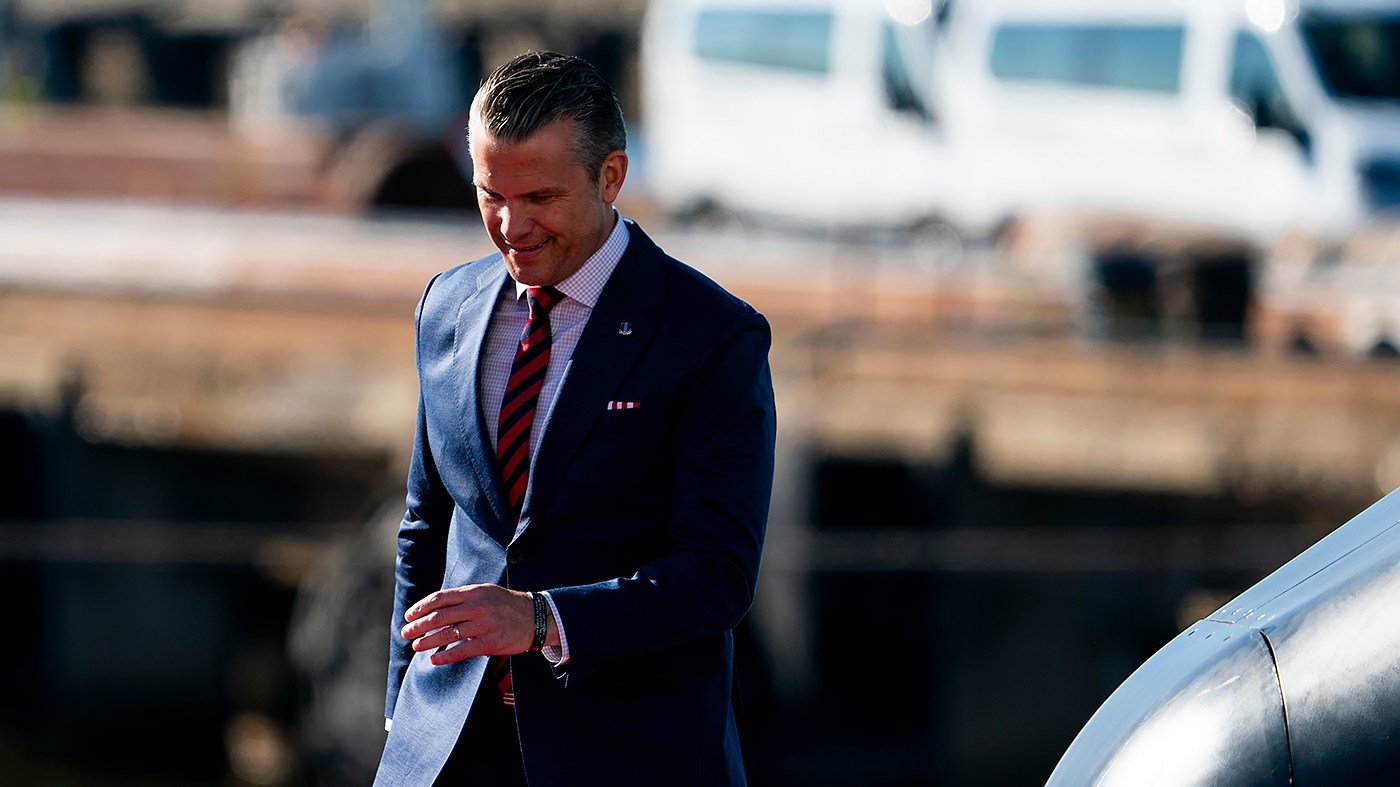
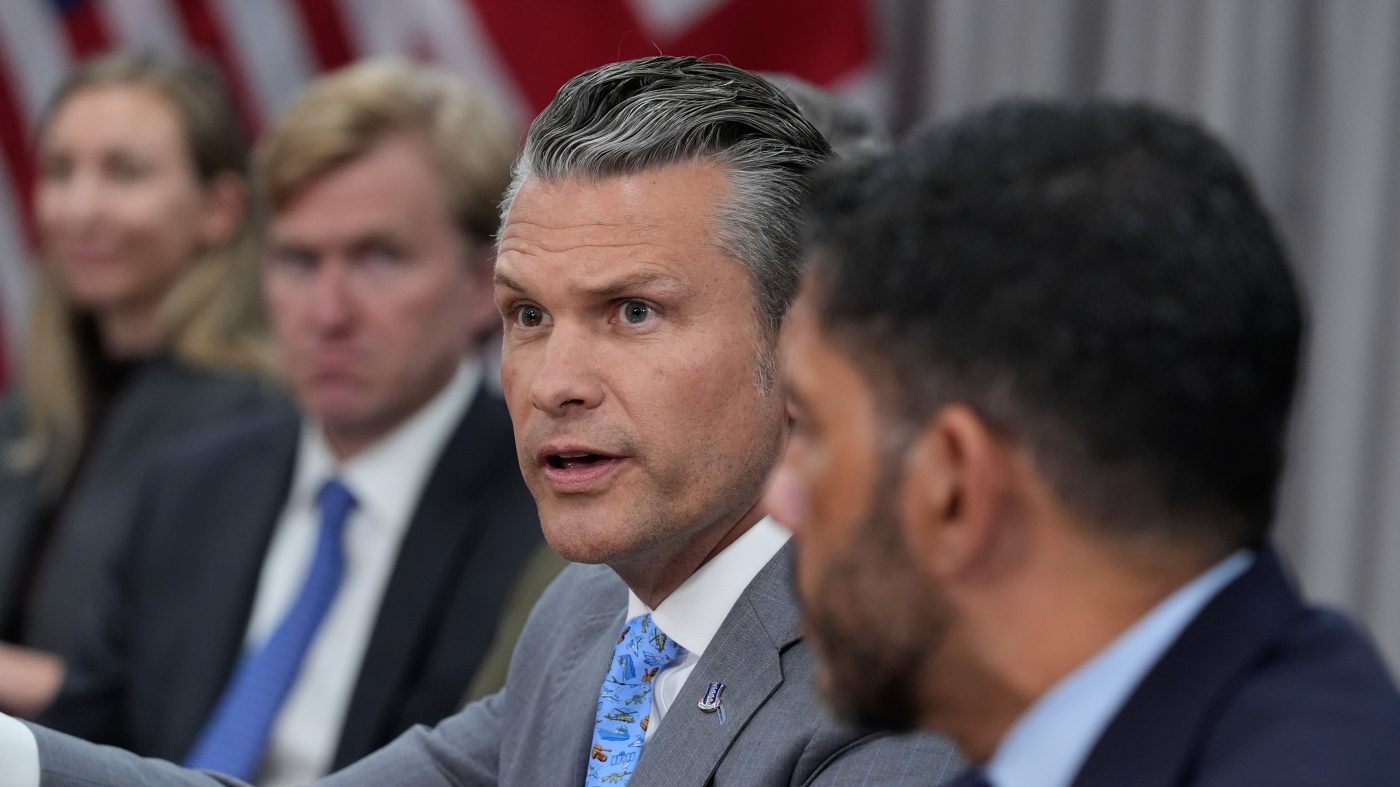
The approvals come amid a broader surge in U.S. defense spending. The Pentagon recently released $400 million in Ukraine support, with Defense Secretary Pete Hegseth authorizing the funds. Pentagon Comptroller Jules Hurst III said the aid was “not under contract, but released to be put under contract.” The Senate passed the $900 billion National Defense Authorization Act for fiscal 2026 late last year, which allocates $400 million for Ukraine in 2026 and another $400 million in 2027 through the Ukraine Security Assistance Initiative, funding the production of high-priority weapons by American firms for Kyiv's forces.
The Trump administration also approved more than $10 billion in weapons sales to Taiwan late last year, a move that drew sharp condemnation from China. That sale was delayed in February ahead of an anticipated bilateral meeting between President Trump and Chinese President Xi Jinping scheduled for later this month. Meanwhile, global military spending hit a record high of nearly $2.9 trillion in 2025, the 11th consecutive year of growth, according to the Stockholm International Peace Research Institute. U.S. military spending reached $954 billion in 2025, a 7.5% decline from 2024.
The emergency waivers used for the Gulf sales underscore the administration's push to accelerate arms transfers to key allies amid heightened tensions with Iran. Critics argue that bypassing Congress undermines oversight, while supporters contend the deals are vital for regional deterrence. The Pentagon has also estimated that an Iranian blockade of the Strait of Hormuz could cost $4.8 billion in lost oil revenue, as detailed in a recent analysis.