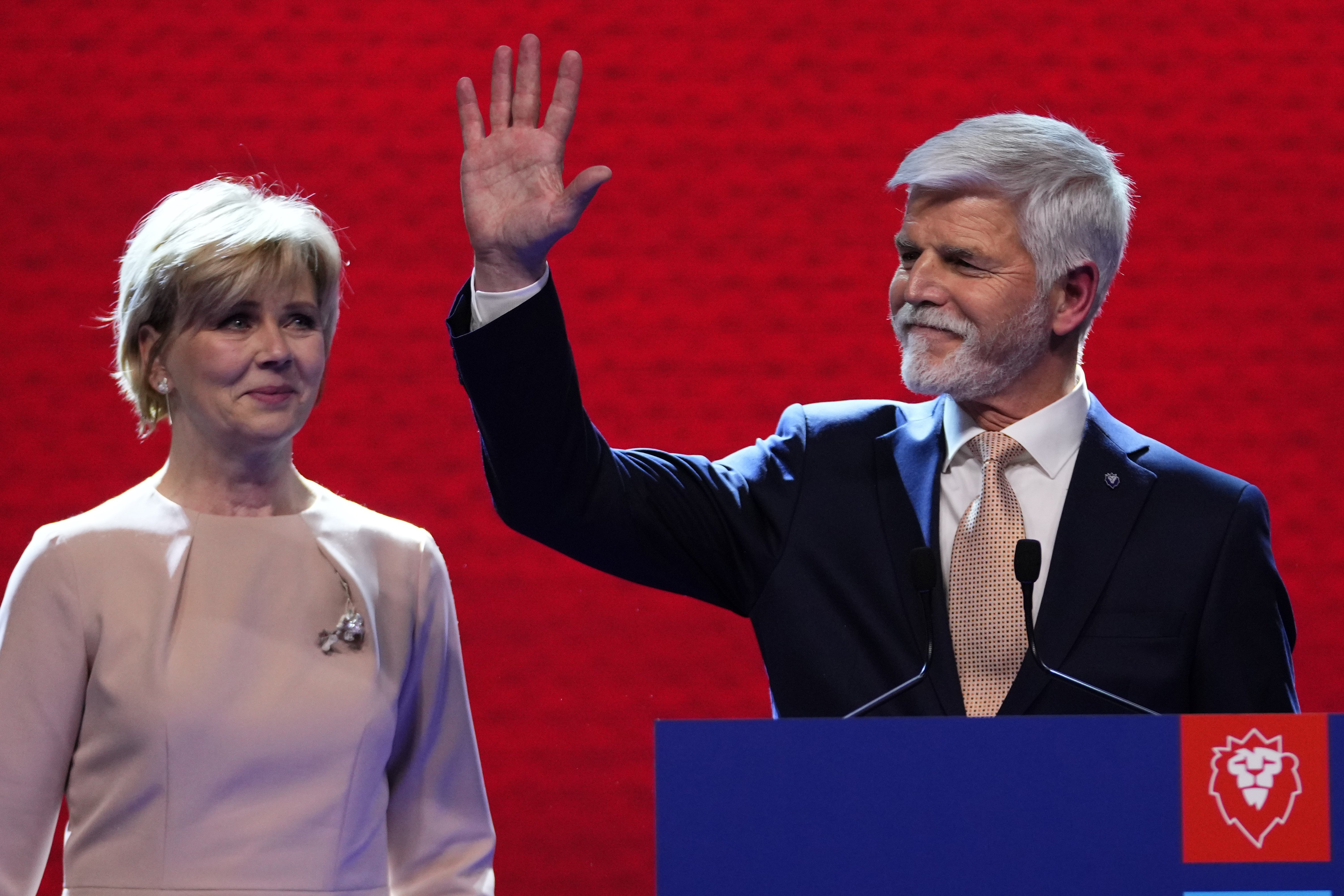
Czech President Petr Pavel this week pushed back against President Trump's criticism that European allies failed to support U.S.-led military operations against Iran, telling CNN that Europe was never brought into the decision-making process.
“I believe that Europe could do much more, but we are not part of it,” Pavel said in an interview with Christine Amanpour at a Prague conference. “European countries were blamed not to come to assistance, but how could we when we were not invited at the beginning?”
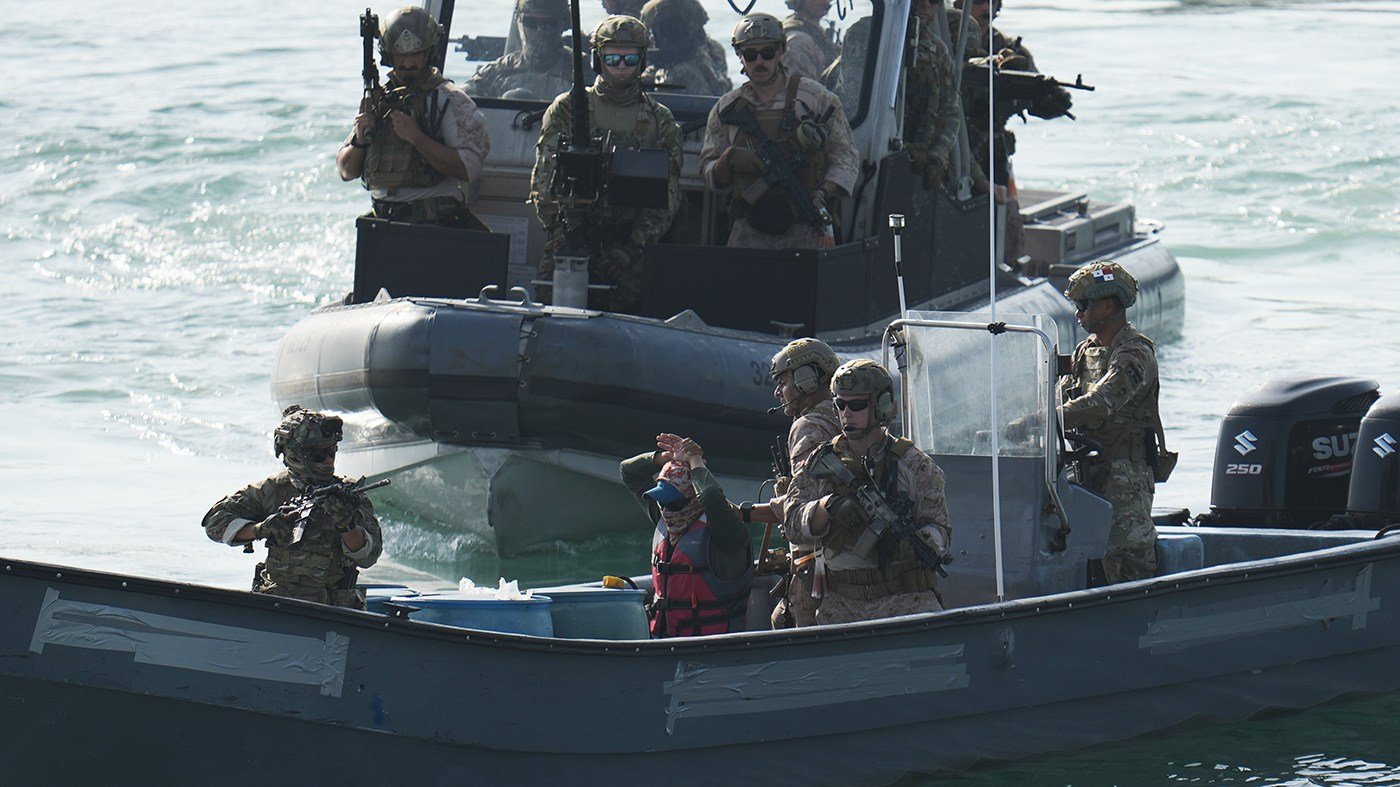
The U.S. and Israel launched joint military operations against Iran in late February, and the conflict has stretched into months. A temporary ceasefire is now in place while negotiators work on a new nuclear deal and resolve disputes over control of the Strait of Hormuz, a key global energy route.
Trump has repeatedly attacked NATO allies for criticizing the military effort, threatening to withdraw U.S. troops from Germany, Italy, and Spain after their leaders spoke out. On Friday, he ordered the Pentagon to pull about 5,000 troops from Germany, escalating a public feud with German Chancellor Friedrich Merz. The leaders of the House and Senate Armed Services committees issued a joint statement expressing serious concern over the move, which they called deeply troubling.
Trump has also hinted at pulling the U.S. out of NATO entirely. Pavel said the president needs to recognize that European allies are “not the enemy,” even when they disagree. “We are on the same side,” he told Amanpour. “What we want is fair treatment, and I believe that if European countries were involved at the beginning, that there would be much more willingness to take part.”
European leaders have urged Washington to return to diplomacy and end military operations. In response to the crisis, France and the United Kingdom convened over 50 countries last month to discuss joint efforts to keep the Strait of Hormuz open for global energy trade.
“When European countries were not treated as allies at the beginning and they are now blamed for being cowards, I fully understand that they take it, let's say, unfair,” Pavel said. “We want to be fair allies. We have to talk to each other as equals, not as a dependent child.”
The dispute underscores growing tensions within the alliance as Trump pushes for a more confrontational approach to Iran, while European capitals call for restraint and negotiation. The White House has not responded directly to Pavel's comments.