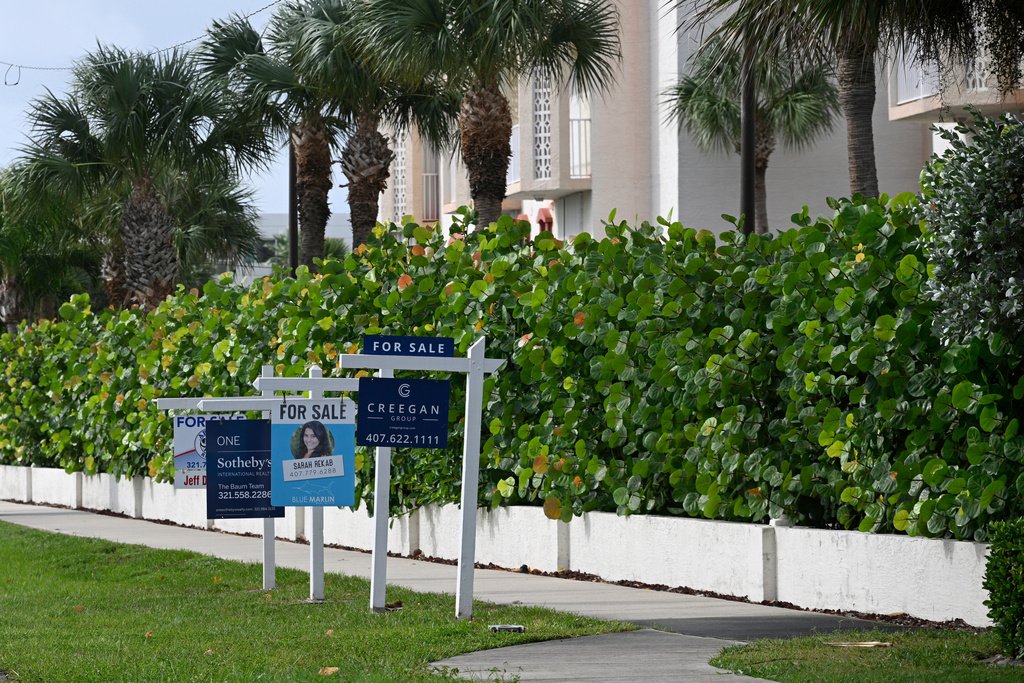
Real estate agents enter each spring with renewed optimism, hoping buyers and sellers will finally return. But for the second year running, that hope has been dashed—this time by a conflict with Iran that sent mortgage rates climbing even higher.
The numbers paint a grim picture. The National Association of Realtors had projected a 14% jump in existing-home sales for 2026, while Zillow forecast a more modest 4.3% increase. Both now look wildly off the mark. Experts acknowledge that 2026 will mirror 2024 and 2025—two of the slowest years on record. The market has become a standoff where no one moves, and the nation pays the price.
Homeownership Slips Away
Zooming out from the data, this spring stagnation reveals a deeper crisis: America is becoming a country where owning a home is increasingly out of reach. The median home now costs about five times the median household income, up from a ratio of roughly three in 1985. A generation ago, a teacher married to a mechanic could afford a starter home in most metro areas. Today, that same couple is outbid by private equity firms buying entire blocks.
The downstream damage is severe. Homeownership has long been the primary vehicle for middle-class wealth building—the slow accumulation of equity that families pass down. Remove it, and you eliminate the largest source of generational stability for tens of millions of households. Renters aged 65 hold a fraction of the net worth of homeowners the same age. They retire poorer, die poorer, and their children inherit little.
Civic and Political Fallout
The consequences ripple outward. People who can't afford to buy near good jobs endure longer commutes, burn more fuel, and spend less time with family. Birth rates fall when young couples can't envision a nursery. Marriage rates drop when there's no shared deed. Civic life suffers in communities where no one plans to stay long enough to learn neighbors' names. The PTA loses volunteers, local councils go unfilled, and fire departments struggle to recruit. Reputable studies show that renters vote less, volunteer less, and care less. A nation of tenants is not just poorer—it's lonelier and less rooted.
There's a political cost too, already visible. A generation locked out of ownership has little reason to defend a system that excluded them. Populism on both left and right feeds on the same anger: the sense that the game is rigged, that leaders serve only themselves, that the country their parents knew no longer exists. They're right about that last part—and may be right about the others.
A home is the foundation for nearly everything else: where children do homework, adults recover from work, where small business loans are secured, and families gather for holidays. Without it, life becomes provisional. People delay starting businesses, stay in bad relationships just to split rent. When that foundation cracks for enough people, the country built on top cracks too. We're watching the early fissures spread.
Real estate agents will keep planting signs, but fewer everyday Americans will be on the other end of the transaction. For more on how political shifts affect public trust, see Pew's findings on federal ethics under Trump's second term. Meanwhile, the conflict with Iran that helped drive rates higher has drawn skepticism—61% of Americans view the strikes as a misstep. And the broader energy policy debate continues: "Drill, baby, drill" never could shield Americans from gas price spikes.