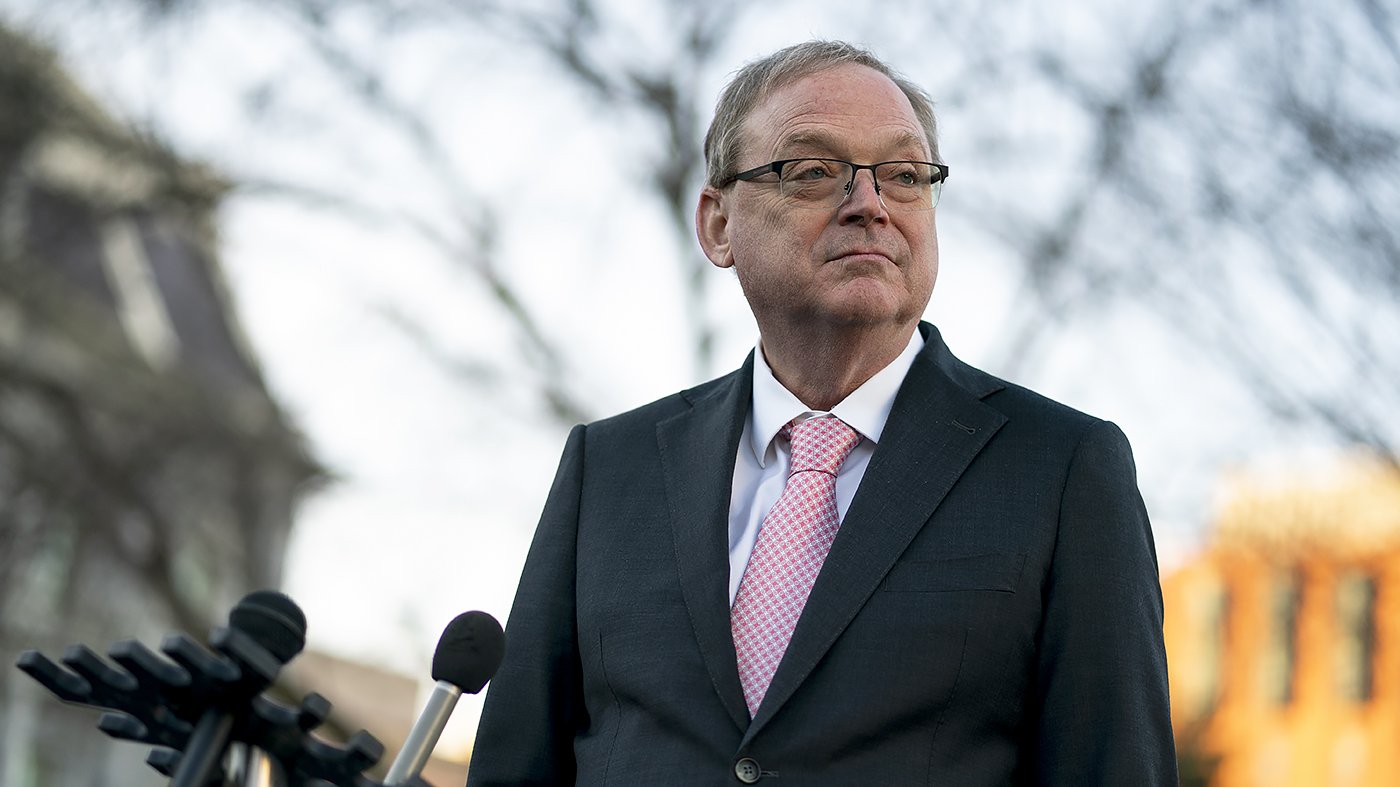
White House National Economic Director Kevin Hassett acknowledged Sunday that he was deeply involved in efforts to rescue Spirit Airlines from financial collapse, but said administration lawyers concluded they lacked the legal authority to provide a federal lifeline. The budget carrier, known for its low fares and yellow planes, shut down all operations Saturday after failing to cover operating costs.
“It’s something that I was very much involved in,” Hassett said on CBS’s Face the Nation. “We were aware that because the merger between JetBlue and Spirit was canceled unwisely by the Biden administration, that Spirit sadly was on the ropes.” The shutdown follows two bankruptcy filings and years of mounting cost pressures.
Hassett’s remarks come after Spirit Airlines shuts down after Trump bailout talks collapse, ending weeks of speculation about a potential government rescue. In March 2024, Spirit had attempted to merge with JetBlue in a $3.8 billion deal, but a federal judge blocked the merger in 2023 on antitrust grounds—a decision praised by Biden administration officials.
Administration Explored Options
Last month, President Trump proposed using federal resources to assist the airline as rising fuel costs squeezed its operating margins. According to people familiar with the discussions, Trump, Transportation Secretary Sean Duffy, and Commerce Secretary Howard Lutnick evaluated a $500 million financing option in exchange for warrants to purchase up to 90 percent of the reorganized entity.
But Duffy raised strong objections to aiding a struggling company already deep in debt, a stance echoed by other officials. “When we looked at their books, that basically the creditors were going to liquidate them and, you know, try to sell their assets so that they could get some of the money back that they had lent them,” Hassett explained. “And there were some authorities that were explored to see if we could help them, you know, get a lifeline. In the end, the legal guys decided that those authorities wouldn’t apply in this situation.”
Political Fallout
The collapse has sparked debate over the administration’s role in averting airline failures, particularly amid Hassett’s warning that the Iran war fuel shock will hit airline earnings for at least three months. Critics argue the White House should have acted more aggressively, while supporters point to legal constraints and the risk of rewarding mismanagement.
Duffy, for his part, has rejected the notion that the conflict with Iran was the primary cause of Spirit’s troubles, instead pointing to pre-existing financial weaknesses. The Transportation Secretary’s stance aligns with those who believe market discipline, not government intervention, should determine the fate of struggling carriers.
The Trump administration has since moved to cap fares after Spirit Airlines collapse, aiming to protect consumers from price spikes as the loss of a major low-cost competitor reshapes the aviation market. Whether that measure will be sufficient to offset reduced competition remains an open question for policymakers and travelers alike.