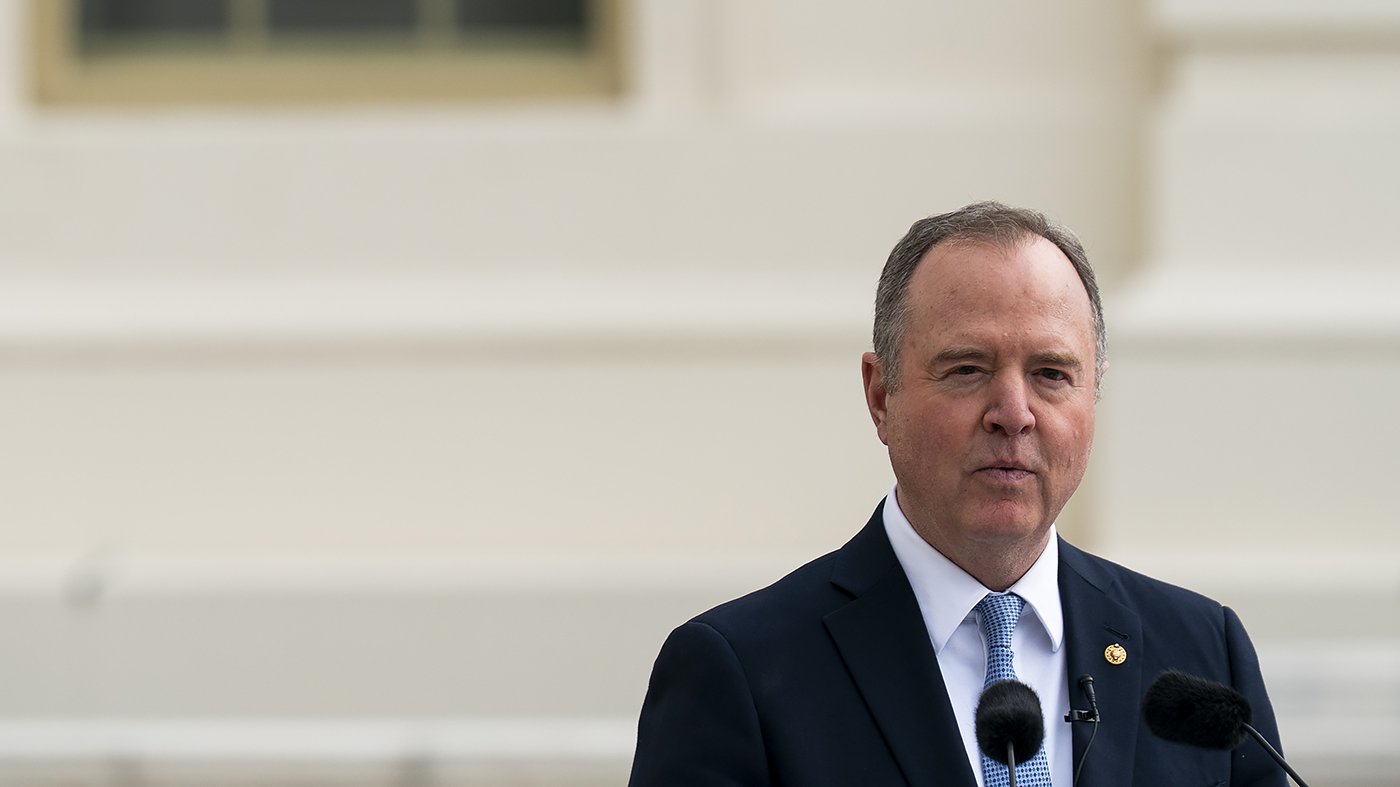
Sen. Adam Schiff (D-Calif.) accused both Democrats and Republicans of abdicating Congress's constitutional authority to declare war, saying the legislative branch has repeatedly failed to check presidential military action over the past two decades.
“Both parties have fallen down on the job in terms of asserting Congress's war power,” Schiff told host Kristen Welker on NBC's “Meet the Press” on Sunday. He pointed to a pattern of presidents from both parties launching military strikes without prior congressional approval, eroding the Article I power to declare war.
Schiff specifically cited former President Barack Obama's 2011 Libya intervention, which he opposed at the time as a House member. “I think that was a mistake then,” Schiff recalled. “I think it's an even bigger mistake now.” Obama also authorized strikes in Pakistan, Yemen, and Somalia without congressional sign-off, often citing the post-9/11 Authorization for Use of Military Force.
The criticism extends to former President Donald Trump and former President Joe Biden, both of whom ordered military action without explicit congressional approval. The Constitution grants Congress the sole power to declare war under Article I, while Article II allows the president to deploy forces for national security.
Schiff's remarks come amid an ongoing dispute over the Trump administration's handling of the War Powers Act after U.S. and Israeli strikes against Iran on Feb. 28. Trump declared a ceasefire on April 7 and has since extended it, but the 60-day deadline for congressional notification has passed. Acting Attorney General Todd Blanche told Welker the administration is “absolutely” following the law.
Schiff pushed back sharply, noting that the U.S. Navy continues to block ships from entering the Strait of Hormuz. “There is no exception for the U.S. Navy to the War Powers Act,” the first-term senator said. “So, what Mr. Blanche said is absolutely wrong.” The administration has argued the ceasefire halts the war powers clock, a claim Schiff and other Democrats reject.
The debate echoes earlier clashes over war powers, including a contentious hearing where Defense Secretary Pete Hegseth defended the administration's interpretation. Schiff also criticized the administration's decision to use the ceasefire to sidestep the War Powers Act deadline, calling it a legal dodge.
Schiff's broader point is that Congress has allowed the executive branch to dominate war-making, regardless of which party holds power. “It's not a partisan failure—it's an institutional one,” he said. The senator urged lawmakers to reclaim their constitutional role, warning that continued inaction risks setting a dangerous precedent for future conflicts.