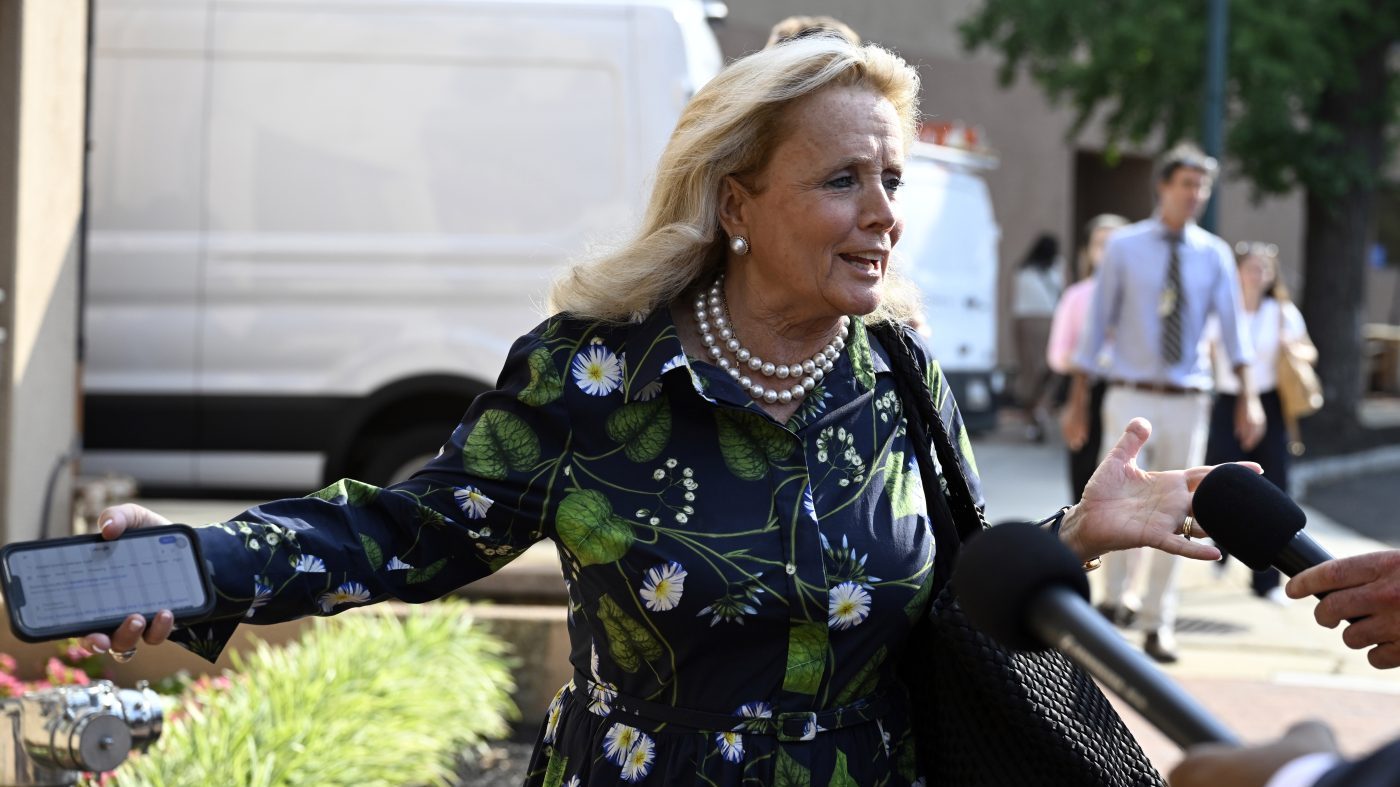
Representative Debbie Dingell (D-MI) expressed deep concern over controversial social media posts made over a decade ago by the leading Democratic candidate in Maine's Senate race, Graham Platner. In an interview with CNN on Saturday, Dingell said she was “very upset” by remarks Platner made in 2013 that downplayed the challenges service members encounter when reporting sexual assault.
The comments, originally uncovered by The Washington Post last year, have resurfaced as Platner gains momentum following Maine Governor Janet Mills’s abrupt exit from the race on Thursday due to insufficient campaign funds. Dingell, a veteran lawmaker and voice on domestic violence issues, did not mince words: “I was very upset as a woman who has dealt with domestic violence, grew up in a home and other sexual violence. Very upset by what his previous comments were.”
Platner, a Marine Corps veteran, has since disavowed the posts, attributing them to struggles with post-traumatic stress disorder after his fourth deployment to Afghanistan and Iraq. “I don’t want people to judge me off the dumbest thing I said on the internet 12 years ago,” he told the Post. “I would like people to engage with who I am today.”
The controversy extends beyond sexual assault remarks. Platner has faced scrutiny for other past Reddit posts in which he criticized police, called himself a “communist,” and used anti-gay slurs—language he has since labeled “indefensible.” Additionally, a tattoo resembling a Totenkopf symbol worn by Nazi troops drew criticism, though Platner said he covered it up and was unaware of its meaning at the time.
Dingell’s critique comes as Senate Minority Leader Chuck Schumer (D-NY) quickly endorsed Platner after Mills dropped out, signaling a push to unify behind the frontrunner. The Maine race has become a flashpoint for broader Democratic strategy ahead of November’s midterms, with some questioning whether the party is prioritizing electability over accountability.
Dingell acknowledged the tension, telling CNN: “I am very concerned about remembering in all of our elections that we’ve got to win the general elections, but I think people are so angry right now that they want to see people stand up, be heard, not afraid to speak out. I also want to hold people accountable for things that they have said, and one area that I can never, ever forget is violence against women.”
When pressed on whether she can back Platner as the Democratic nominee, Dingell hedged: “We’re going to have to see what happens in November. I do think that, quite frankly, people want to make sure that there is somebody stopping the president in both houses of Congress, a system of checks and balances.” She also voiced “very concerned” about Michigan’s Senate race amid a “raucous primary.”
The episode underscores the delicate balancing act for Democrats, who must weigh the need for a strong candidate against the baggage of past statements. For more on the shifting dynamics in Maine, read about Platner’s decision to cancel primary debates and how Maine Democrats are rallying behind the oyster farmer.