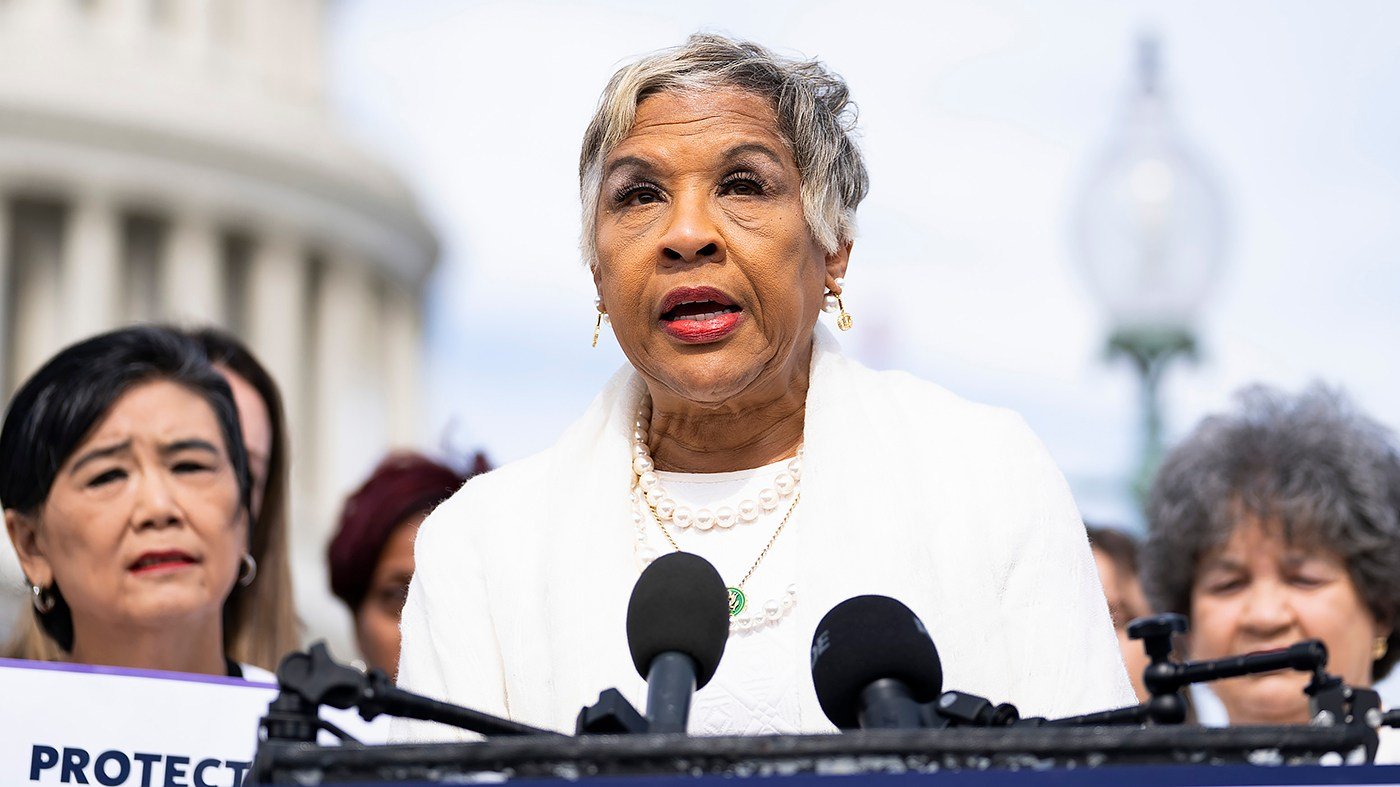
Pete Hegseth spent two days on Capitol Hill facing sharp questions from lawmakers, and the central tension that emerged wasn't just partisan—it was constitutional. At its core, the hearing revolved around a deceptively simple question: who decides when America goes to war, and how long can that war last without Congress weighing in?
Hegseth opened the hearing with a combative tone, declaring: “The biggest adversary we face at this point are the reckless naysayers and defeatist words of congressional Democrats and some Republicans. Deficits from the cheap seats who two months in seek to undermine the incredible efforts that have been undertaken.” That language may fire up the base, but it sidesteps the legal reality. Under the War Powers Resolution, a president has 60 days to secure congressional authorization for military action—or withdraw forces.
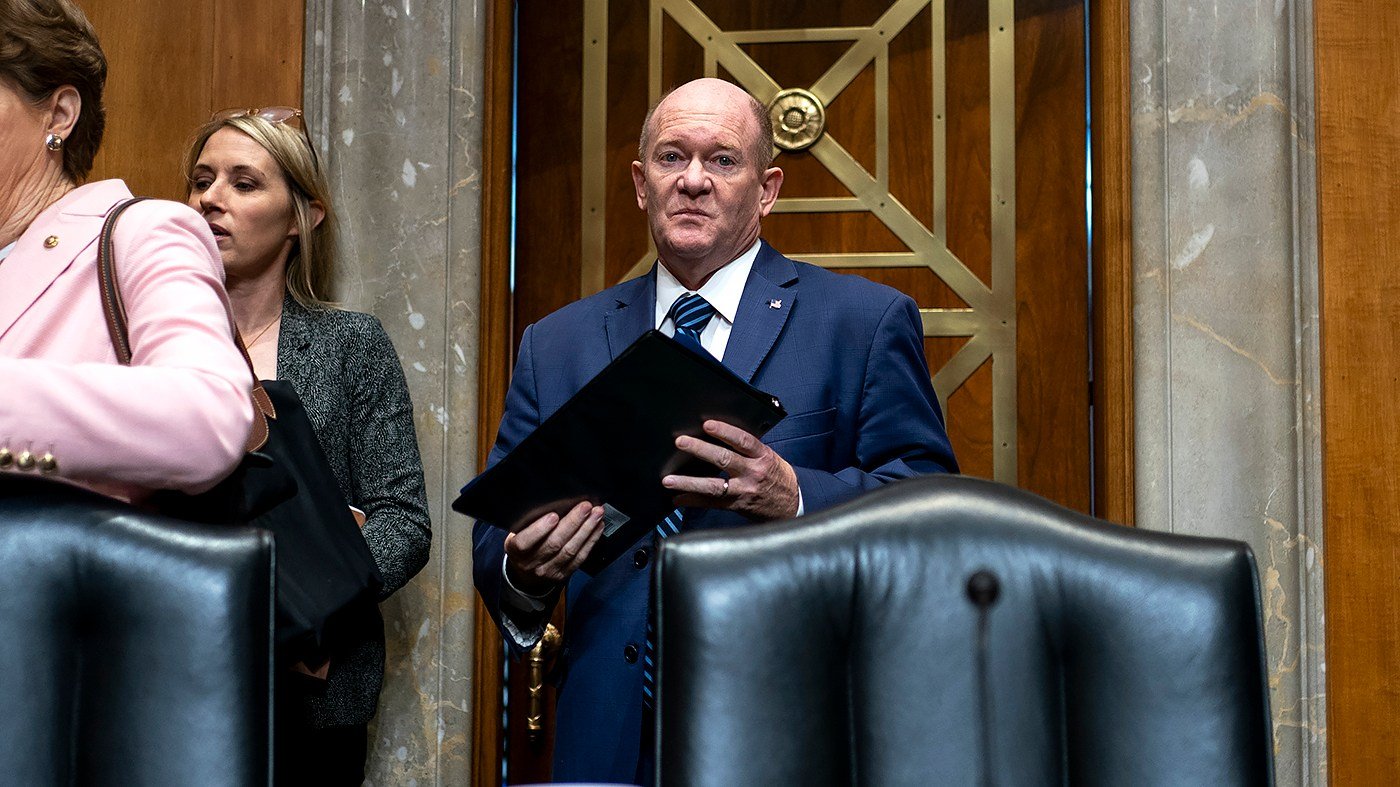
That deadline arrives today. Yet instead of a clear answer, the administration is offering a reinterpretation: Hegseth argues that because fighting has paused, the clock pauses too. The problem? The law doesn't say that. Democrats, led by Senator Tim Kaine, are pushing back, arguing that such a reading doesn't hold up. The implications are significant: if a ceasefire resets the clock, any administration could stretch a conflict indefinitely without ever facing a vote in Congress.
This debate isn't just theoretical. It's playing out against the backdrop of escalating tensions with Iran, where officials claim talks are making progress behind closed doors, but the public picture is one of a stalemate with a ticking clock. Iran has openly threatened “long and painful strikes” if attacks resume, while the U.S. has already burned through significant high-end munitions, raising questions about readiness for a prolonged engagement. Lawmakers are asking whether the Pentagon is stretching itself thin, even as Hegseth insists: “The expenditures that we've seen under this administration, we can account for them, and we ensure that other plans are well taken care of. So on the munitions front, we're in really good shape, but we need to accelerate.”
The broader strategic picture adds another layer of concern. Tensions with Germany are rising, Europe and the U.S. are out of step, and the administration's handling of the Iran conflict has drawn scrutiny. On Wednesday, Hegseth couldn't give a clear answer on why the U.S. went to war if Iran's nuclear capabilities were “obliterated” during Operation Midnight Hammer. That lack of clarity is emblematic of a larger issue: the American people and Congress deserve a voice in decisions about war and peace. Timelines should not be endlessly flexible, legal definitions should not become subjective, and accountability should not become optional.
The hearing also highlighted a related dispute over whether a ceasefire halts the War Powers clock, a question that could set a precedent for future conflicts. Meanwhile, the administration's defiance of Congress on the Iran conflict has prompted some lawmakers to warn of a constitutional crisis, as the War Powers deadline looms without a clear path forward.
Lindsey Granger, a NewsNation contributor and co-host of The Hill's “Rising,” noted that the real issue is whether the administration will respect the balance of powers. As she put it, the American people and Congress should have a voice—endlessly flexible timelines and subjective interpretations of the law undermine that principle.