The Trump administration moved Saturday to contain the fallout from Spirit Airlines' sudden shutdown, announcing a relief package that includes fare caps on three major carriers for stranded passengers. The move comes after talks for a government bailout collapsed, leaving thousands of travelers and 14,000 employees in limbo.
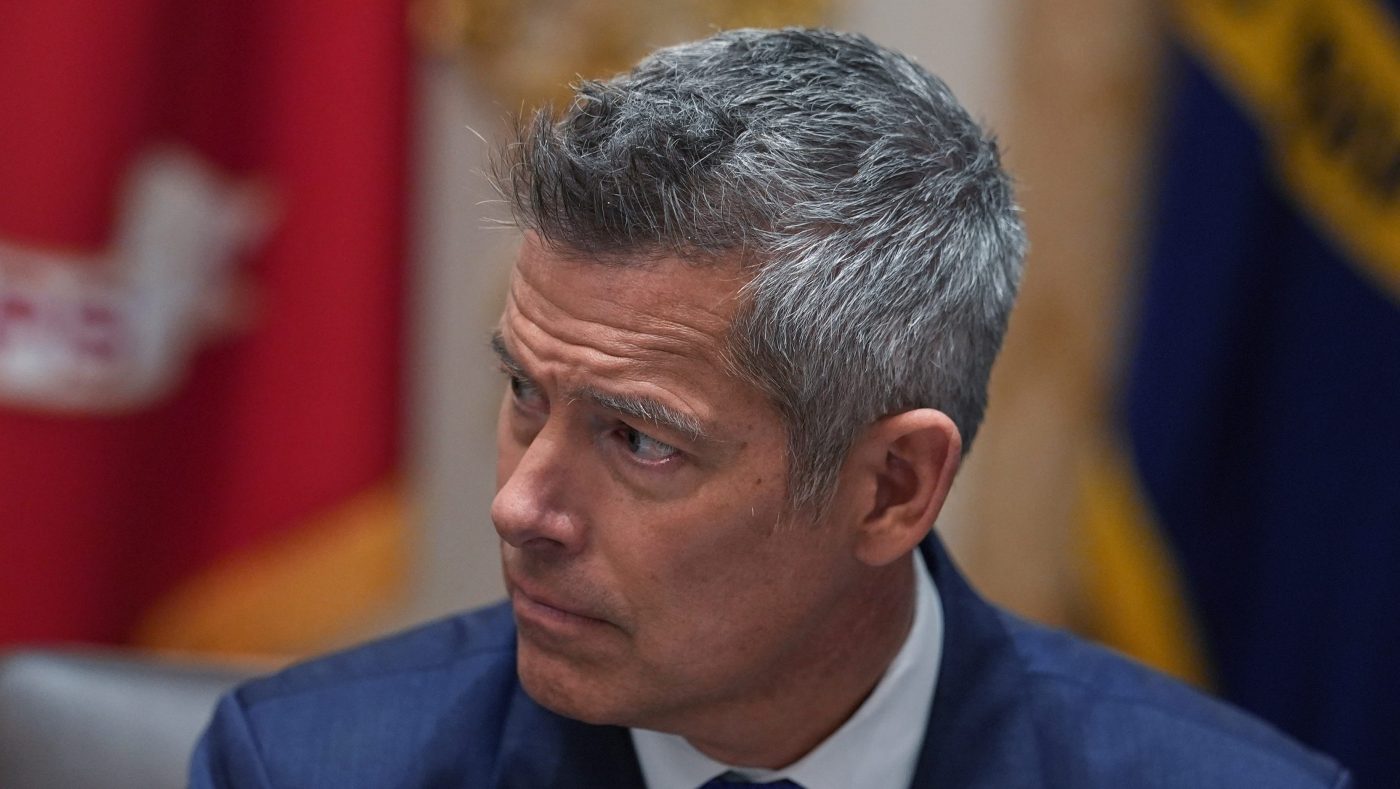
Transportation Secretary Sean Duffy revealed that United Airlines, Delta Air Lines, and Southwest Airlines have agreed to limit ticket prices for Spirit customers seeking to rebook canceled flights. Travelers must present their Spirit confirmation number and proof of payment to qualify.
“For any consumers worried about higher prices, American Airlines and Delta Air Lines are offering reduced fares on high-volume Spirit routes,” Duffy posted on X. “Allegiant has also committed to freezing fare prices across routes that overlap with Spirit. To support impacted travelers, Frontier is offering up to 50% off base fares across its network until May 10.”
Duffy also outlined efforts to assist Spirit employees, noting that most airlines will extend travel pass benefits and provide spare jump seats for workers returning home. “Both American Airlines and United are creating microsites for Spirit employees looking to continue a career in aviation,” he said, adding that carriers are offering “preferential employment interviews to ensure they jump the queue.”
For passengers seeking refunds, Spirit will automatically process payments for those who used credit or debit cards. The department advised travelers to request a “chargeback” from their card issuer for services not rendered or check their travel insurance for insolvency coverage. As a last resort, customers can file a formal “proof of claim” with a bankruptcy court to recover partial refunds.
The crisis was triggered when Spirit Airlines shut down after bailout talks with the Trump administration fell through. President Trump had said Friday the administration was “looking” at a government bailout to keep the airline running, but added it was “something we're not looking to get involved with.” He acknowledged the stakes: “It's 14,000 jobs—I would say we are driving a tough deal but it's one of those things.”
Duffy pinned the blame for Spirit's demise on the Biden administration, which blocked a proposed merger between JetBlue and Spirit in 2024. A federal judge ruled the deal would reduce competition and harm consumers, a decision that sent Spirit into Chapter 11 bankruptcy later that year.
“Regardless of how we got here, the Trump Administration is committed to taking care of you and your family when you fly,” Duffy said in a statement. “In a matter of hours, we've activated our airline partners to ensure passengers are not stranded, communities maintain route access, fares do not skyrocket, and Spirit's workforce is connected to new job opportunities.”
Spirit CEO Dave Davis offered a different explanation, citing “the sudden and sustained rise in fuel prices in recent weeks” as the reason for the wind-down. He said the company had “no alternative but to pursue an orderly wind-down of the Company.”
The relief plan underscores the administration's effort to manage a politically sensitive disruption, even as the broader debate over airline consolidation and government intervention continues. The situation also highlights the tension between Trump's populist rhetoric and the limits of federal involvement in private sector failures.