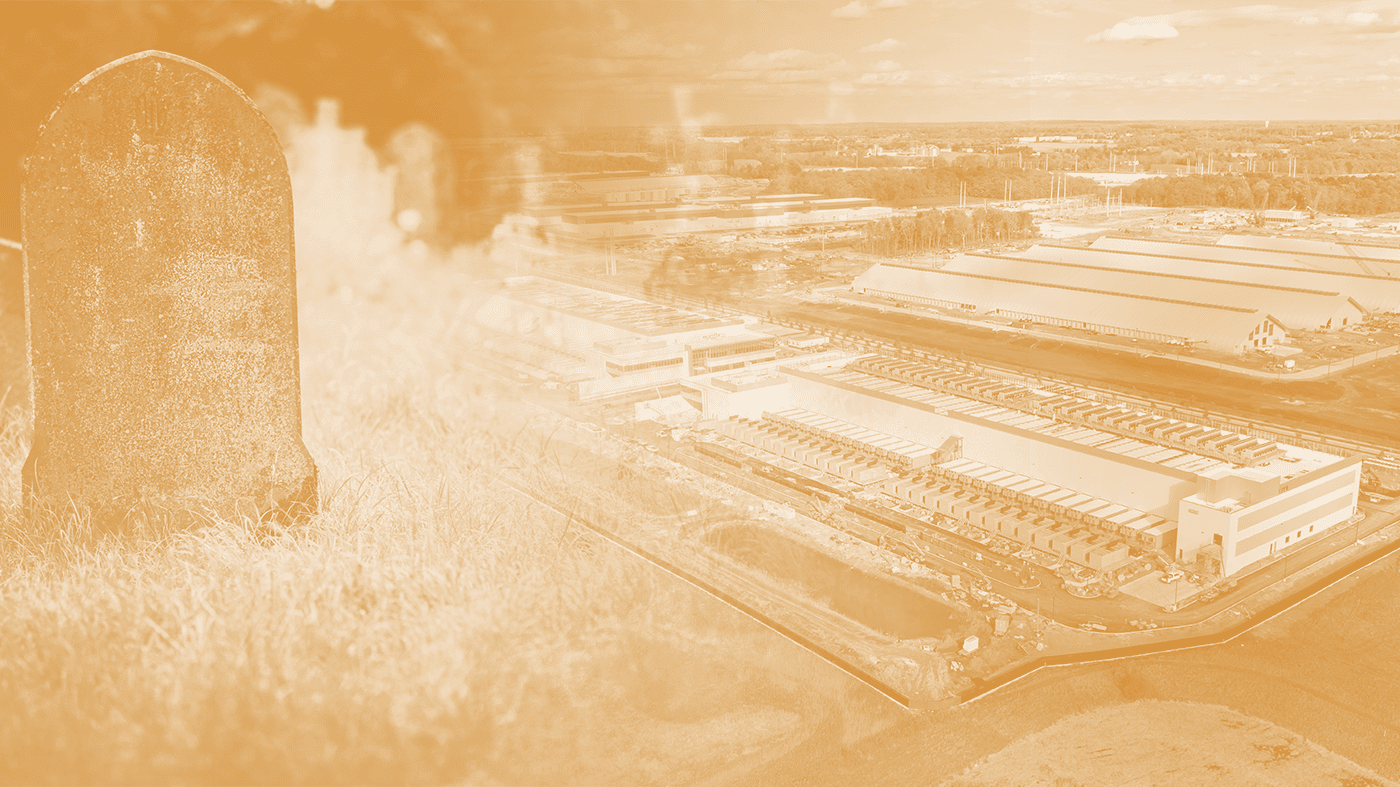
When I got my first computer in 2000, a Compaq, the dial-up hum felt like a doorway to possibility. My father, a correctional officer, would smile as I typed away. At 17, I saw technology as a force for opportunity, not displacement. I never imagined that the internet's backbone might one day uproot my ancestors' graves.
That quiet reality is unfolding in southern Virginia. Governor Abigail Spanberger has appointed the state's first chief energy officer to tackle surging electricity demand from data centers. Virginia is the global hub for data storage, and that growth is pushing into rural areas like Pittsylvania County, where land is cheap and abundant. But the land there is not empty—it never was.

My oldest known ancestor, Flem Adams Senior, was born enslaved around 1830 in Pittsylvania County. Family lore says he stood seven feet tall, a size that made him valuable for field labor. After emancipation, my family stayed, farming nearby land, building churches, and burying their dead in small, unmarked cemeteries. Those burial grounds were invisible to outsiders—until the land became valuable again.
Today, that same stretch hosts the Southern Virginia Megasite at Berry Hill, a 3,000-acre industrial park approved for a massive data center campus. The project promises tens of billions in investment and thousands of jobs. But during site preparation, archaeologists identified historic Black cemeteries tied to post-emancipation communities. To clear the way, more than 200 graves were disinterred, mapped, and reburied at a new location.
The new cemetery is beautiful and has brought forgotten stories to light. But it stings to know my ancestors' remains were moved for a data center. Two centuries ago, their bodies were forced to work land they didn't own. Now, in the 21st century, those graves have been moved again—this time for the digital economy.
Spanberger's energy chief signals Virginia's intent to accelerate this transformation. Data centers need massive power, meaning more infrastructure and more decisions about what lies beneath. Those decisions follow a familiar pattern: development flows to rural areas with fewer barriers, where Black history is deep but poorly documented. Land that once produced wealth through slave labor is now expected to produce wealth through digital infrastructure. The systems have changed; the geography has not.
This pattern echoes broader political battles over energy and resources. As Virginia grapples with its data center boom, similar tensions are playing out in other policy arenas, such as the ongoing clash between Trump and GOP with Democrats over the Iran War Powers deadline, where land and power are also at stake. Meanwhile, the White House's declaration that the Iran conflict is over before the 60-day War Powers deadline shows how quickly priorities can shift when resources are involved.
Across the South, plantation landscapes have become suburbs, highways, and industrial parks. Berry Hill makes that transformation visible in one place. Virginia now sits at the center of the digital world, and its choices about energy and land will ripple beyond its borders. Other states will follow its model. The question is whether they can build the future without erasing the past.