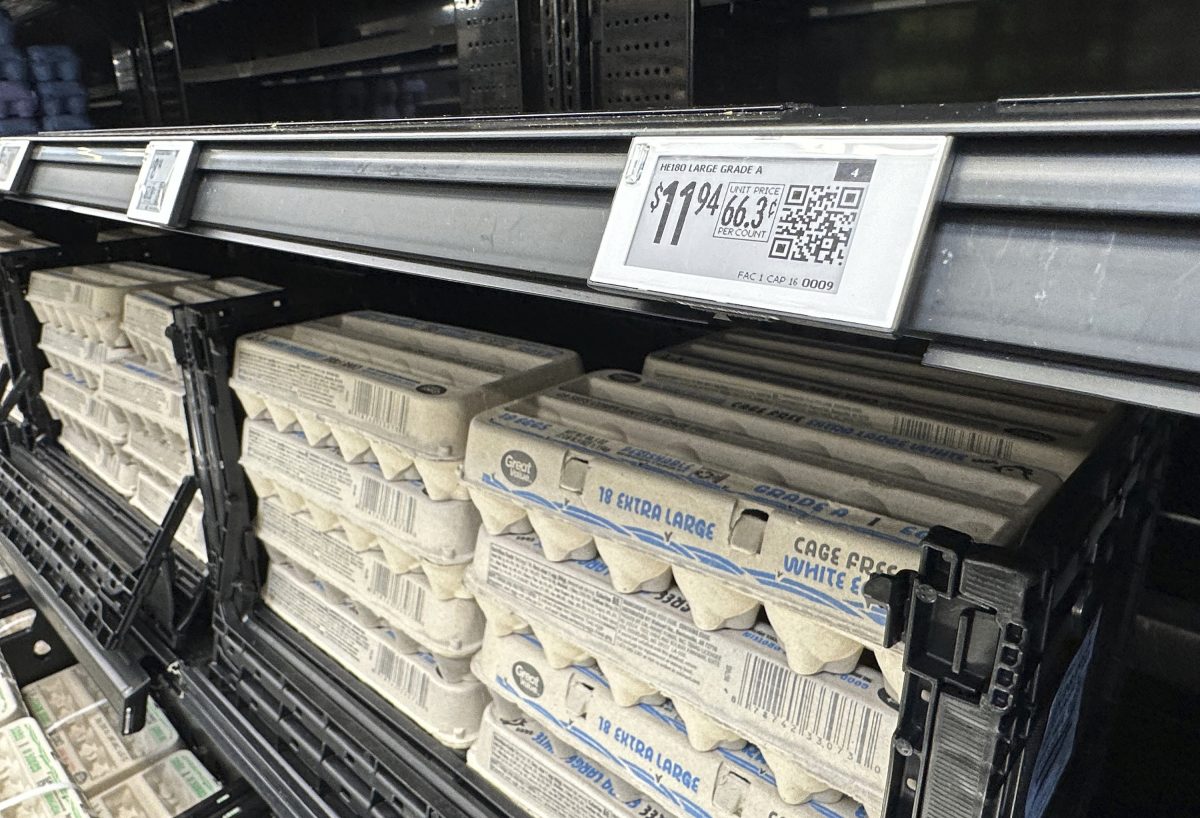
As digital price tags become more common in supermarkets, a new political battle is brewing over whether grocers should be allowed to change prices on the fly. Maryland is on track to become the first state to explicitly ban so-called dynamic pricing at grocery stores, a move that could reshape how Americans shop for food.
Dynamic pricing—already familiar to anyone who has booked a flight or used a ride-sharing app—uses technology to adjust prices based on demand, time of day, or even individual customer data. Critics argue that when applied to groceries, it undermines the basic expectation that everyone pays the same price for the same item at the same time.

Maryland Leads the Charge
The Maryland bill, part of Governor Wes Moore's legislative agenda, targets retailers who use electronic shelf labels or other digital systems to vary prices throughout the day or show different prices to different customers. The legislation passed earlier this year and now awaits the governor's signature. If enacted, it would be the first state-level prohibition of dynamic pricing in the grocery sector.
Supporters say the measure is a straightforward consumer protection. “When you pick up a gallon of milk, you shouldn't have to wonder if the person next to you is paying less because of some algorithm,” said a state senator who backed the bill. The legislation has drawn support from consumer advocacy groups, who warn that similar pricing tactics have already led to lawsuits in other industries.
The move comes amid growing scrutiny of data-driven pricing. A class-action lawsuit against JetBlue, for instance, alleges the airline used personal data to engage in so-called surveillance pricing, charging customers different fares based on their browsing history or location. The case highlights the broader concern that dynamic pricing could become a vehicle for discrimination or price gouging.
Political and Economic Implications
Maryland's effort is not happening in a vacuum. Lawmakers in several other states are watching closely, and some have introduced similar bills. The issue has also caught the attention of federal regulators. The Federal Trade Commission has signaled interest in investigating whether dynamic pricing in grocery stores violates existing consumer protection laws, particularly if it relies on non-public personal data.
Industry groups, however, argue that dynamic pricing can lower costs by reducing waste and smoothing demand. They point to the success of surge pricing in other sectors, but acknowledge that groceries are a more sensitive area because food is a basic necessity. “This is about fairness, not just efficiency,” said a spokesperson for the National Grocers Association.
The debate also intersects with broader political dynamics. As the Trump administration pushes to lower drug prices—including a finalized Regeneron deal ahead of midterms—the question of how technology affects consumer costs has become a flashpoint. Meanwhile, the Supreme Court is set to weigh the constitutionality of digital dragnet warrants, raising parallel questions about data privacy and government surveillance.
What This Means for Your Grocery Bill
For now, most shoppers may not notice dynamic pricing at their local store. But the trend is accelerating. Major chains are testing digital shelf labels that can update prices instantly, and some are experimenting with personalized discounts based on loyalty card data. Consumer advocates say that without legal guardrails, these practices could lead to a two-tiered pricing system where the less tech-savvy or less affluent pay more.
Maryland's bill would require that all prices displayed on shelves be the same for all customers, and that any price changes be applied uniformly. It would also ban the use of personal data to set individual prices in real time. Violators could face fines or legal action from the state attorney general.
The outcome in Maryland could set a precedent for the rest of the country. If the ban survives legal challenges—likely from retail and technology groups—it could spur a wave of similar legislation. For now, the message from Annapolis is clear: when it comes to groceries, the price tag should mean what it says.