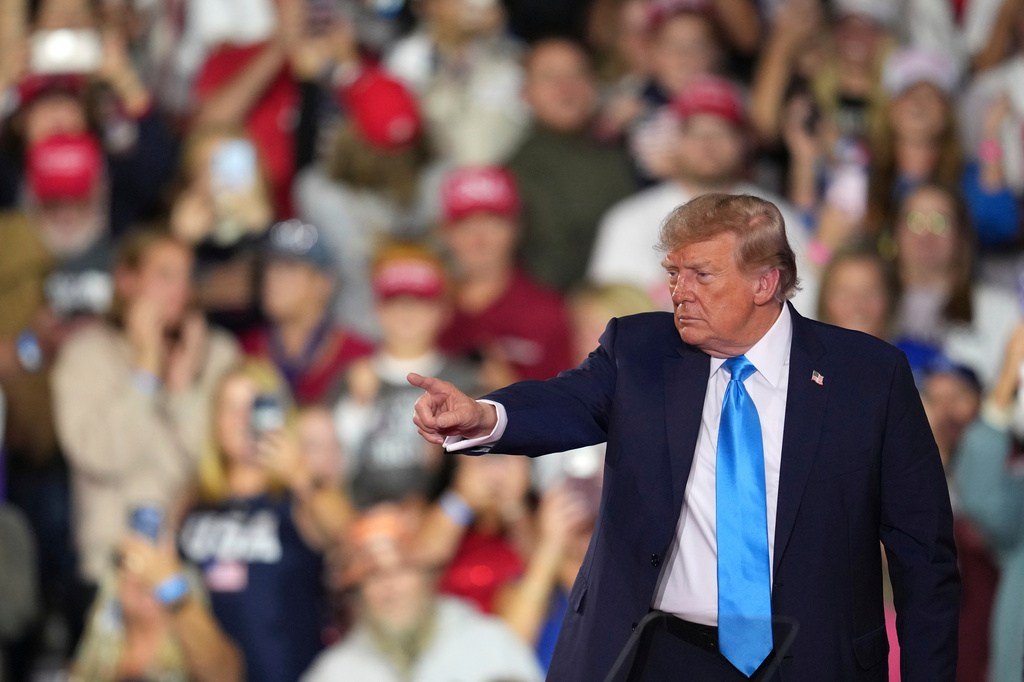
The Justice Department is framing its criminal case against former FBI Director James Comey as a standard threat prosecution, akin to dozens of others it handles each year. But legal observers argue that the charges against President Trump's longtime adversary could prove uniquely difficult to prove in court.
Comey faces two counts: making a threat against the president and transmitting a threat across state lines. The allegations stem from a May Instagram post showing seashells arranged to read “86 47” — a phrase prosecutors claim signals a desire to kill Trump, the 47th president. Comey has denied wrongdoing and has not yet entered a plea.
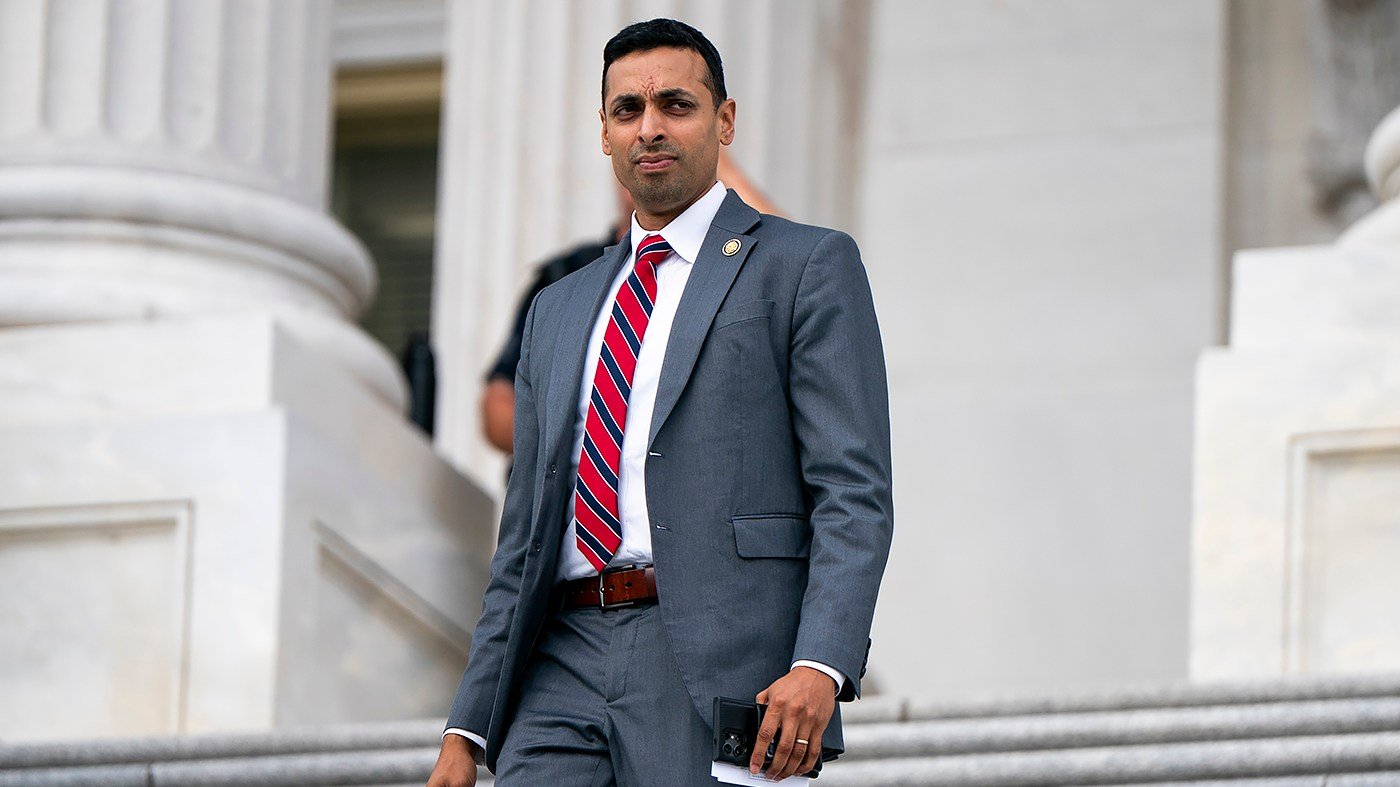
Acting Attorney General Todd Blanche told reporters this week that the department has brought more than 130 federal threat cases in the past year, targeting everyone from border czar Tom Homan to former President Biden. “We take these seriously,” Blanche said. “Every single one of them.”
Data from the National Counterterrorism Innovation, Technology, and Education Center at the University of Nebraska-Omaha shows 133 federal threat cases were filed last year — a record high — with 46 more so far this year. Comey’s case is among them.
Proving Intent
Former federal prosecutors say the publicly available evidence in Comey’s case is thin. “This case is absurd,” said Sarah Krissoff, a former prosecutor in the Southern District of New York. To convict, the government must show Comey “knowingly and willfully” issued a true threat to take the president’s life — a high bar under existing case law.
“There is a lot of case law underlying this statute,” Krissoff said. “I just think there’s no way — the government does not get over the first hurdle here.” The First Amendment protects most speech, but not “true threats.” Context matters, and the indictment claims a “reasonable recipient familiar with the circumstances” would see the post as a serious expression of intent to harm Trump.
But the term “86” has multiple meanings. In restaurant slang, it means an item is sold out or a customer is being turned away. “In the typical case, you wouldn’t see threats that are readily open to non-violent interpretations,” said Alexis Loeb, a former Justice Department deputy chief.
Other recent threat cases involved far more explicit language. A Pennsylvania man pleaded guilty last month to threatening to murder Trump, posting on YouTube: “I have bought several guns and been stocking up on ammo” and “I’m gonna assassinate him myself.” Another man was charged in February with threatening to kill Vice President Vance, saying he would use an “M14 automatic gun.”
Rep. Jamie Raskin (D-Md.) called the Comey indictment “surreal and absurdist,” noting that no one interpreted the post as a death threat for months. “After their first failed prosecution of Comey collapses, they decide this is the best straw they can hang their hat on,” he said.
The case arrives amid broader debates about threats and judicial independence. Recent attacks on judges by political figures have raised concerns about safety, as Trump's attacks on judges threaten judicial independence and safety. Meanwhile, the Justice Department’s aggressive pursuit of threat cases has drawn scrutiny, with some arguing it risks chilling protected speech.