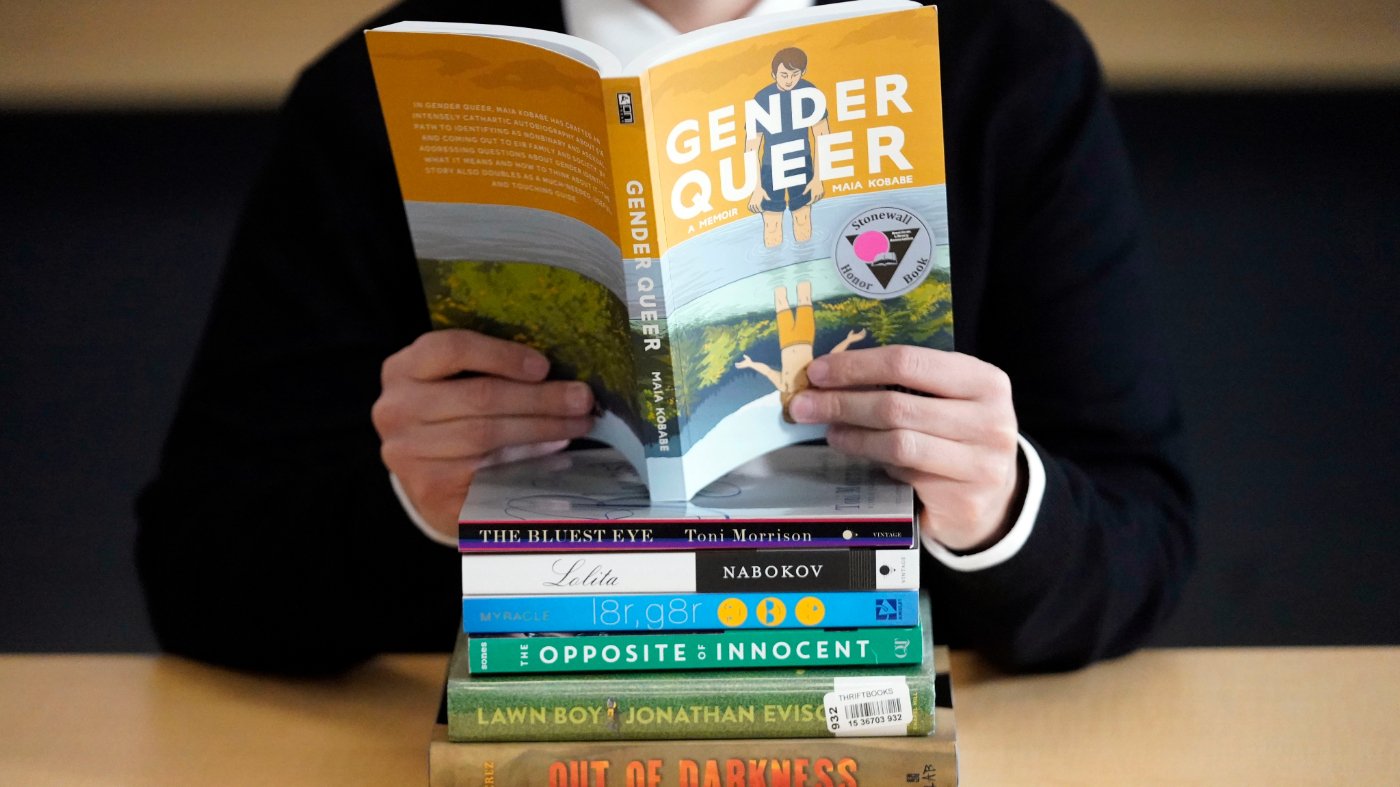
In 2021, the conservative Florida Citizens Alliance launched a campaign alleging “porn in schools,” a claim quickly embraced by Governor Ron DeSantis. The supposed porn wasn't explicit imagery or websites—it was books for children and teens. Despite being false, the narrative spread rapidly, and now Congress is using it to push the Stop the Sexualization of Children Act, which would cut federal funding to schools and libraries that carry materials deemed “sexually oriented.”
Kasey Meehan, director of PEN America’s Freedom to Read program, wrote that in five years of tracking book bans, her organization has never found a banned book that actually contains pornography. Distributing porn in schools is already a felony, she noted, and the thousands of books removed under these accusations don’t meet any legal or informal definition of the term. Instead, the vast majority feature LGBTQ+ characters, explore race and racism, or address difficult topics like gun violence and sexual abuse.
The bill’s vague language, Meehan argued, would trigger widespread overcompliance. Schools might avoid classics like Maurice Sendak’s “In the Night Kitchen” due to a child’s nudity, or Michael Hall’s “Red: A Crayon’s Story,” a tale often read as an allegory for gender identity. While the bill exempts a list of “classics” from Compass Classroom—a Bible-based homeschooling tool—it leaves out modern works like Khaled Hosseini’s “The Kite Runner” and Toni Morrison’s “The Bluest Eye,” which depict sexual violence. Explicitly targeted are books about transgender people, such as Ami Polonsky’s “Gracefully Grayson.”
Meehan quoted Laney Hawes, co-founder of the Texas Freedom to Read Project, who said, “Fear is effective.” That fear, she explained, has spiraled from a false porn panic into attacks on diversity, equity, inclusion, educators, and transgender youth. This bill would force school districts that reject censorship into a legal and financial maelstrom. Just this week, over 100 organizations urged the public to call their representatives and vote against it.
The narrative of porn in schools, Meehan wrote, is a deceptive decoy. Unreliable narrators—like DeSantis and outraged parents sharing out-of-context excerpts on Facebook—push a broader agenda to weaken public schools in favor of vouchers and private options, as outlined in Project 2025. Meanwhile, students, parents, teachers, and librarians resist these efforts, pointing to studies showing reading boosts critical thinking, empathy, and academic success.
Meehan and a colleague previously argued that learning about sex through books or education doesn’t make kids promiscuous; it teaches consent and healthy relationships, keeping them safer. Students want the freedom to read, and most parents agree. Being offended or scared by a book, she said, shouldn’t lead to banning it.
With children’s reading for fun down 40% over two decades, Meehan concluded, the country needs more readers—especially those who can spot an unreliable narrator. Schools across the country are already grappling with similar battles, as seen in recent Supreme Court decisions on gender identity policies and court rulings on classroom mandates. The fight over what children read is far from over.