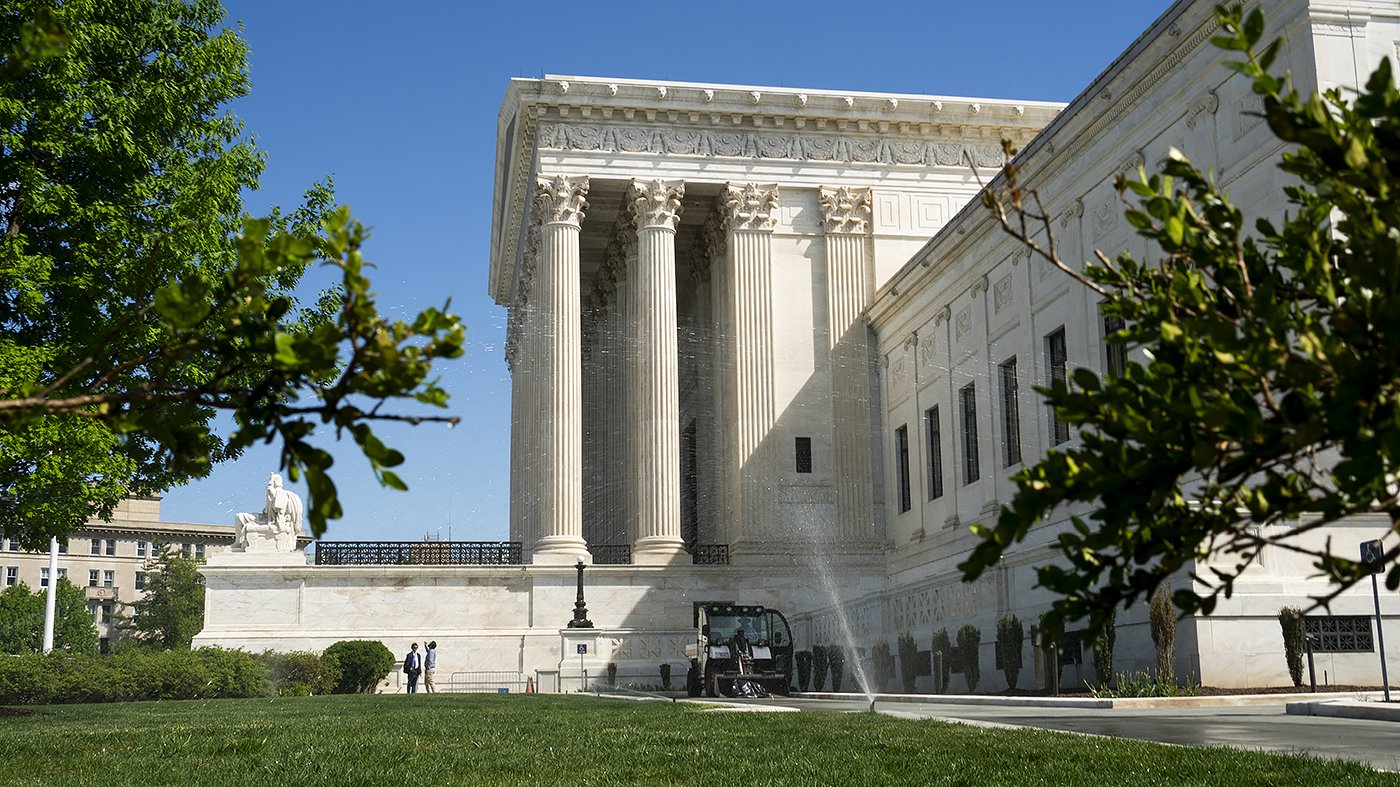
The Supreme Court on Monday declined to review an appeal from Massachusetts parents who argued that public school employees violated their constitutional rights by encouraging their child to adopt a new name and pronouns associated with a different gender identity. The parents contended this school support constituted a fundamental interference with their right to direct their child's upbringing, a right protected under the Due Process Clause of the Fourteenth Amendment.
The case originated in Ludlow, Massachusetts, where parents sued the school district after staff members allegedly encouraged their middle-school child to identify as "genderqueer." The parents, represented by the conservative Christian legal group Alliance Defending Freedom (ADF), argued the district's actions deliberately bypassed their consent and contradicted the mental health care they had chosen for their child.

"Today's denial by the Supreme Court is a missed opportunity to defend parental rights," said ADF Chief Counsel Jim Campbell in a statement. "No school district should make important mental health decisions on behalf of parents and conceal those decisions from them, especially in opposition to the mental-health care that those parents have chosen for their children. Our clients have a right to know what is happening to their children so they can make the best decisions for them."
The school district pushed back forcefully, telling the justices that the specific policy challenged by the parents "doesn't actually exist" and that the case was therefore an inappropriate vehicle for ruling on broader parental rights questions. "The Court should deny the petition here because it has been asked to render an advisory opinion on a policy that does not exist," the district wrote in its filings.
Broader Legal and Political Context
This marks the second time in recent months the Court has sidestepped this specific issue, having turned away a similar case from a Wisconsin school district last December. However, several conservative justices have signaled interest in the legal conflict between parental rights and school policies regarding transgender students. The denial also follows a recent emergency ruling where the Court suggested California was likely violating parents' constitutional rights in a separate case involving transgender youth.
The parents' challenge attracted significant political support, with amicus briefs filed by former Vice President Mike Pence's advocacy group, Advancing American Freedom, and approximately twenty Republican state attorneys general. The dispute sits at the intersection of education policy, parental authority, and LGBTQ rights, an area where the Court has recently been active. In a related development, the justices agreed to hear a major religious liberty dispute from Colorado concerning whether state-funded Catholic preschools must admit children of same-sex couples.
Legal observers note that while the Court declined this case, the issue is far from settled. Similar disputes are ongoing in multiple states, and the Court's conservative majority may yet take up a future case that presents a clearer factual record. The ADF, which has successfully petitioned the Court on major social policy cases before, indicated it will continue to litigate the matter.
The Court's decision to deny certiorari leaves in place a lower court ruling that dismissed the parents' lawsuit. For now, it avoids setting a national precedent on whether the Fourteenth Amendment requires parental notification and consent before school staff can affirm a student's gender identity at school. The ruling underscores the Court's current cautious approach to this particular facet of the culture wars, even as it engages vigorously on other fronts like religious exemptions.