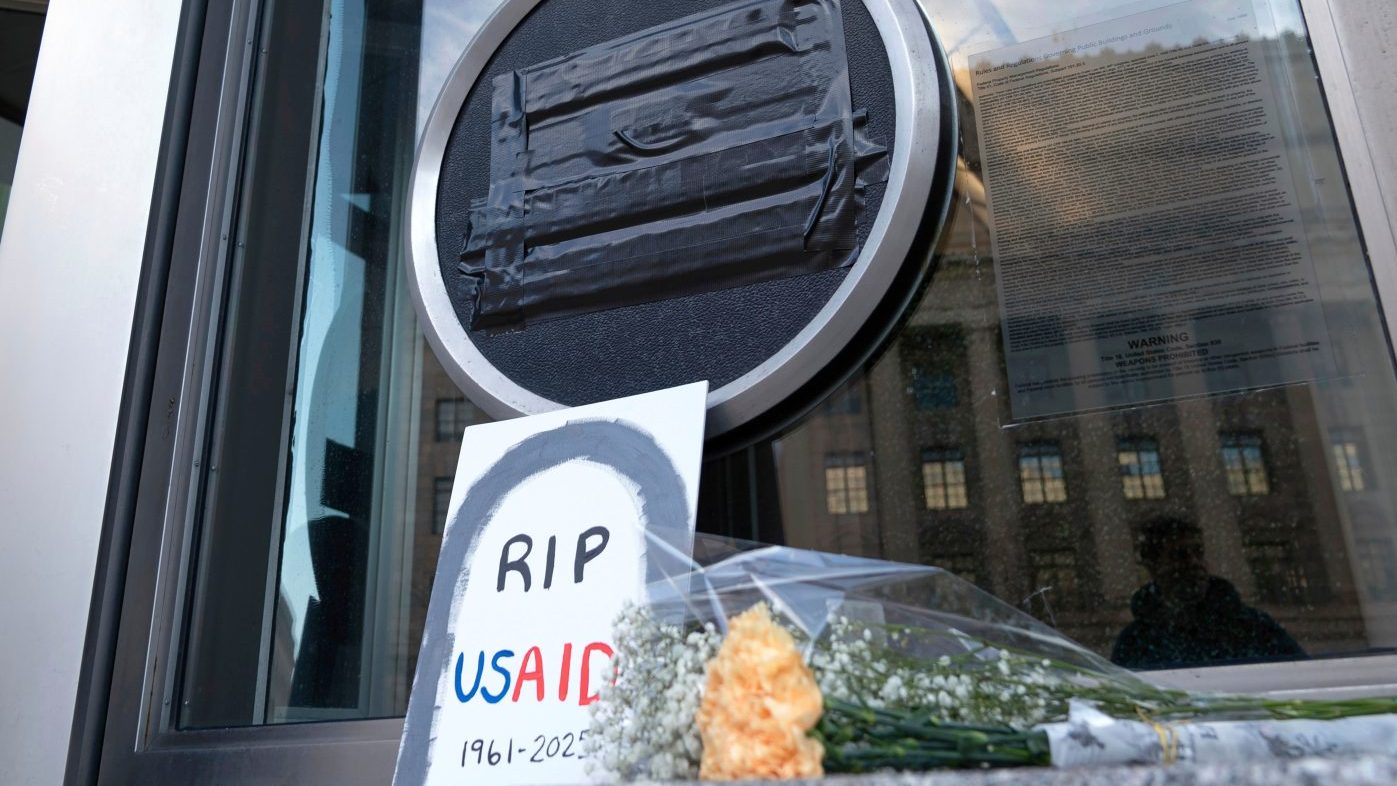
The Trump administration's decision to dismantle the U.S. Agency for International Development (USAID) is directly linked to approximately 600,000 preventable deaths, a faltering global response to the latest Ebola outbreak, and a strategic opening for U.S. adversaries in the developing world, according to a report released Thursday by House Oversight Democrats.
The report, which draws on interviews with eight former USAID officials and a range of external analyses, provides one of the most comprehensive assessments to date of the fallout from shuttering the agency. It details how the firing of over 10,000 federal workers and contractors has led to a resurgence of diseases like HIV and malaria, which had been USAID priorities for decades. The findings underscore a sharp critique of Elon Musk, the former top White House aide who famously said he would feed USAID “into the wood chipper.”
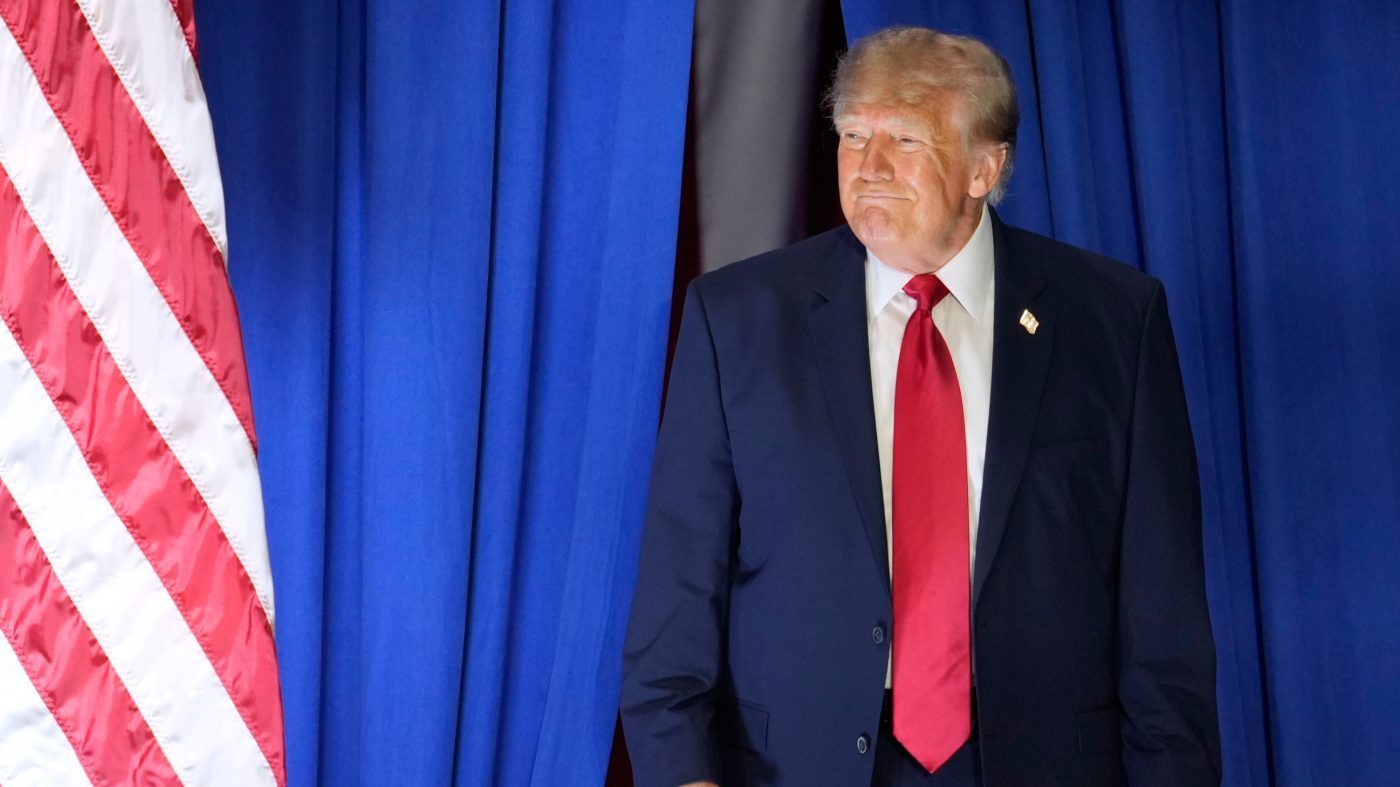
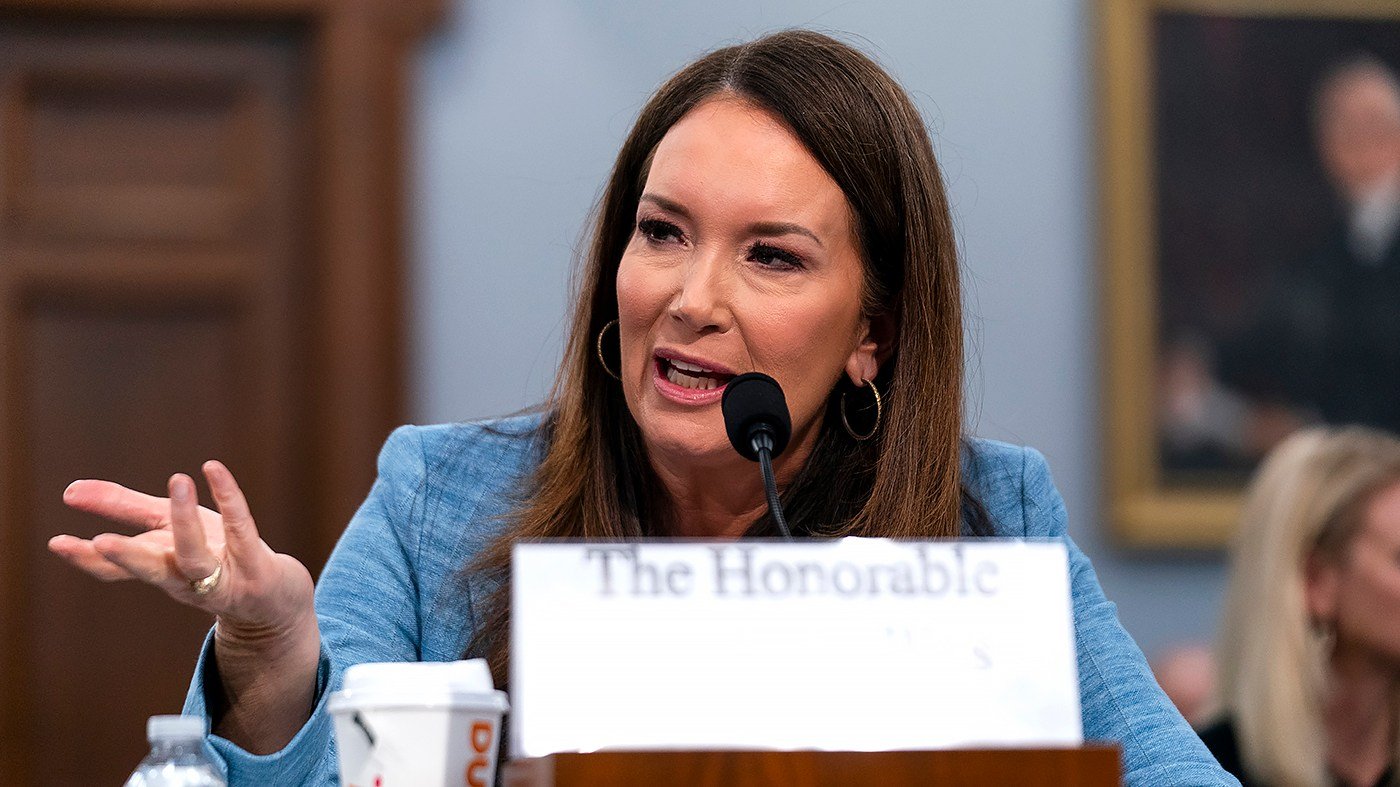
“By shuttering USAID, Donald Trump is causing hundreds of thousands of preventable deaths, harming our national security, and now we are facing a deadly, rapidly spreading Ebola outbreak he and Elon Musk helped cause,” said Rep. Robert Garcia (D-Calif.), the ranking member of the committee, in a statement. “Documenting the harm they caused is the first step to accountability.”
Ebola Outbreak and Public Health Fallout
The report comes as Africa grapples with a resurgence of the Ebola virus, prompting the Trump administration to impose travel restrictions and airport screenings—measures that have already shown gaps. Unlike previous outbreaks, which were met with USAID funding and personnel to track, treat, and contain the virus, the current surge has gone largely unchecked. The report directly ties the rapid spread to the collapse of testing and treatment systems that USAID had supported in volatile regions.
“The rapid spread of the virus is directly linked to a failure to test, track, isolate and treat sick patients, which was previously possible in a war-torn, economically volatile region thanks to USAID and humanitarian assistance programs that are no longer operational,” the report states. This echoes concerns raised in a related article about the Ebola outbreak surging as Congress is urged to reverse public health cuts. The report also notes a broader resurgence of diseases such as bird flu, mpox, HIV/AIDS, and vaccine-preventable illnesses like diphtheria, polio, and measles.
Massive Death Toll and Stranded Aid
The report cites modeling from Boston University, which found that two-thirds of the estimated 600,000 deaths—mostly children—resulted from the absence of USAID interventions. It also highlights that USAID may have saved up to 92 million lives over the past two decades. Former USAID contractor Chemonix told the panel that $150 million in healthcare products, including HIV treatments and infant oxygen machines, remain undistributed in warehouses.
“The dismantling of USAID has not only left 10,000 dedicated federal workers out of work, including many of my constituents, but it has also made our world less safe and less healthy,” said Rep. Suhas Subramanyam (D-Va.). “It will take years, if not decades, to rebuild our international reputation, and we should start that work now.”
Loss of U.S. Influence and Rise of Adversaries
The report also warns that the abrupt end of USAID programs has eroded decades of trust in the United States, creating a vacuum that rivals are eager to fill. “It is likely that countries like Russia and the People’s Republic of China will fill the void and offer their own foreign aid programs, but with strings attached that threaten the autonomy of developing nations,” the report states. It points to China’s Belt and Road Initiative as a key example of how Beijing is expanding its footprint across Africa and Latin America.
Anka Lee, a former deputy assistant administrator at USAID, described the U.S. as “unilaterally disarming in its competition with China.” The report notes that Russian and Chinese officials had long criticized USAID even as their own governments pursued similar projects. It argues that the instability caused by the aid gap undermines economic development, reduces U.S. business opportunities abroad, and creates environments where authoritarian regimes can flourish.
The report also highlights USAID’s role in responding to natural disasters, combatting drug trafficking, and managing migration—including work in Colombia after the FARC peace deal and during the Venezuelan migrant crisis. For a deeper look at the regional impact, see a related piece on how USAID cuts are linked to a surge in violence across African regions.
Democratic lawmakers are now calling for accountability and a reversal of the cuts, arguing that the damage to U.S. soft power will take years to repair. The report concludes that restoring USAID is not just a humanitarian imperative but a national security one.