The Trump administration’s dismantling of public health infrastructure has left the United States dangerously exposed to the current Ebola outbreak, and Congress must act swiftly to restore outbreak control capacities, according to Ben Smilowitz, executive director of the Disaster Accountability Project.
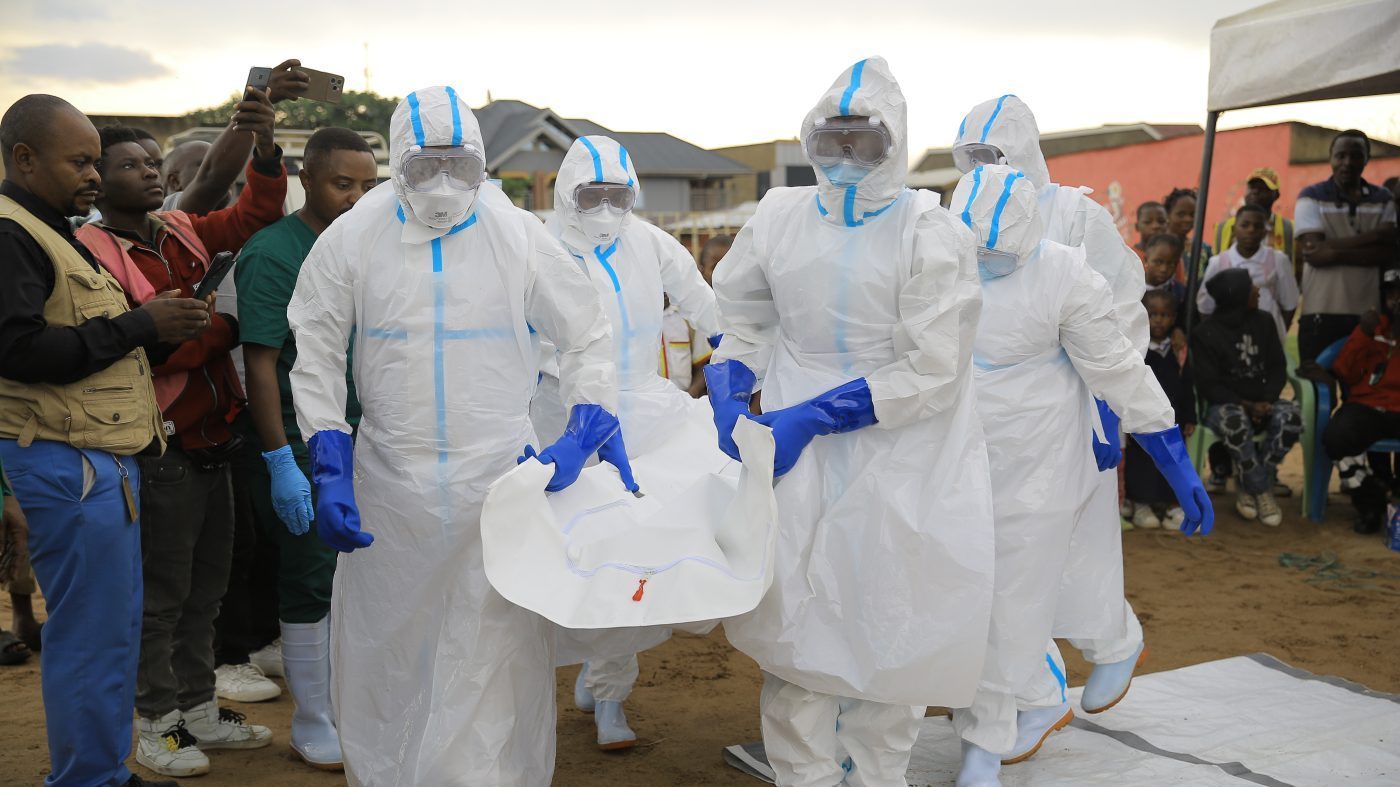
Between 2014 and 2016, the U.S. led a coordinated response that helped contain a major Ebola epidemic in West Africa, where 11,000 people died. But now, a deadlier strain is spreading in the Democratic Republic of Congo and Uganda, and the systems built to stop it have been gutted.
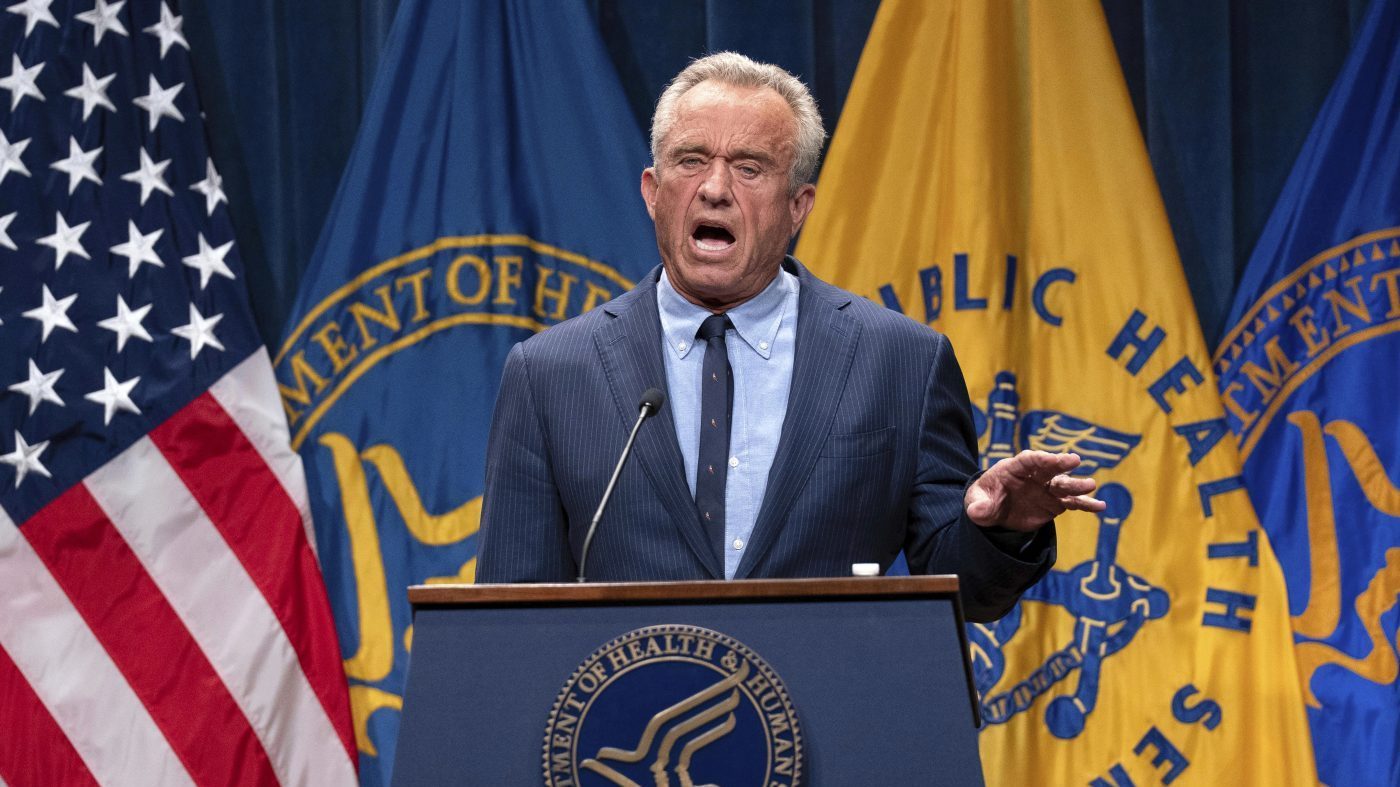
In the past 18 months, the Trump administration withdrew from the World Health Organization, dismantled USAID, fired thousands of public health experts, and cut 615 of 770 identifiable USAID global health awards—worth $12.7 billion—that funded disease surveillance, outbreak prevention, and emergency response. The result: a weakened line of defense against a virus with no approved vaccine or treatment for this strain.
“Public health systems are our nation’s line of defense against global diseases and biological attacks,” Smilowitz wrote. “Demolished by a vindictive administration with a vendetta against the public health sector, Congress must step up to restore them.”
Today, the outbreak has already produced more than 900 suspected cases and at least 230 deaths, with infections crossing into Uganda. Cases are appearing in both urban centers and conflict-affected rural areas. The U.S. now lacks the field relationships, technical staff, and contracting systems needed for rapid testing, contact tracing, safe transport, and community outreach.
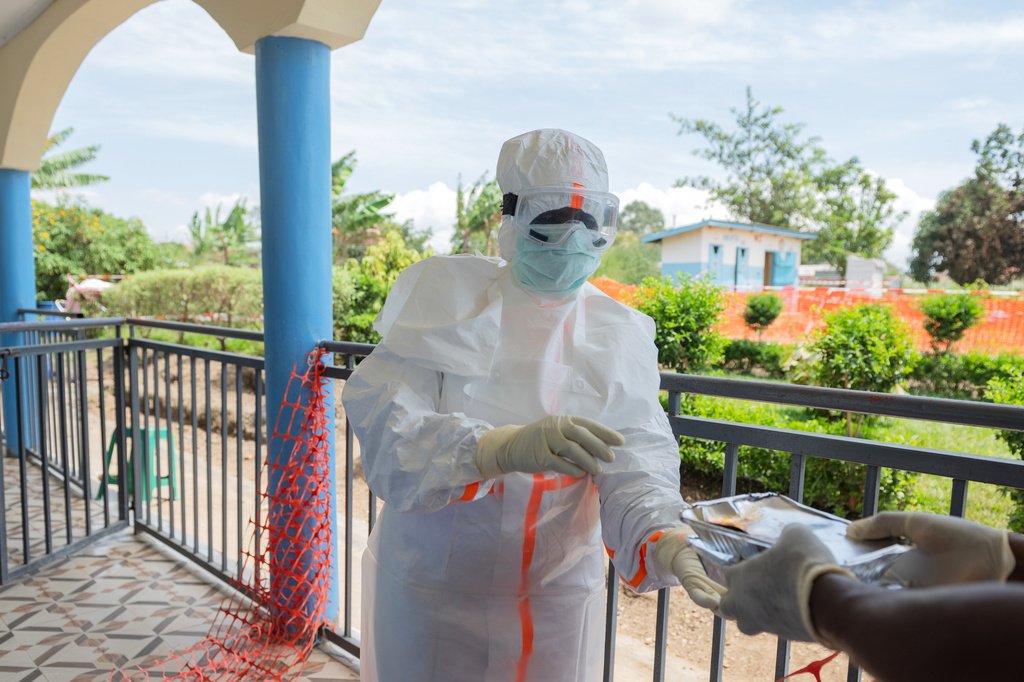
Smilowitz outlined six immediate steps Congress must take: restore emergency funding for Ebola response in affected countries; rebuild USAID and CDC operational capacity; reengage with the WHO on technical working groups and data-sharing; fund research into vaccines and treatments for different Ebola strains; directly finance frontline groups providing soap, pay for local health workers, and deliver meals to quarantine zones; and expand early-warning systems for animal-to-human disease spillover.
The crisis echoes broader debates over federal spending priorities. As Congress faces an infrastructure deadline and battles over the budget intensify, the administration’s approach to global health has drawn sharp criticism. Some lawmakers have also questioned the administration’s handling of international crises, including tensions with Israel over Lebanon operations.
“Dismantling our defenses only puts U.S. citizens at great risk,” Smilowitz warned. “Diseases don’t care about ideology or politics and will simply spread at faster and faster rates.”
The article originally appeared on The World Signal and was written by Ben Smilowitz.