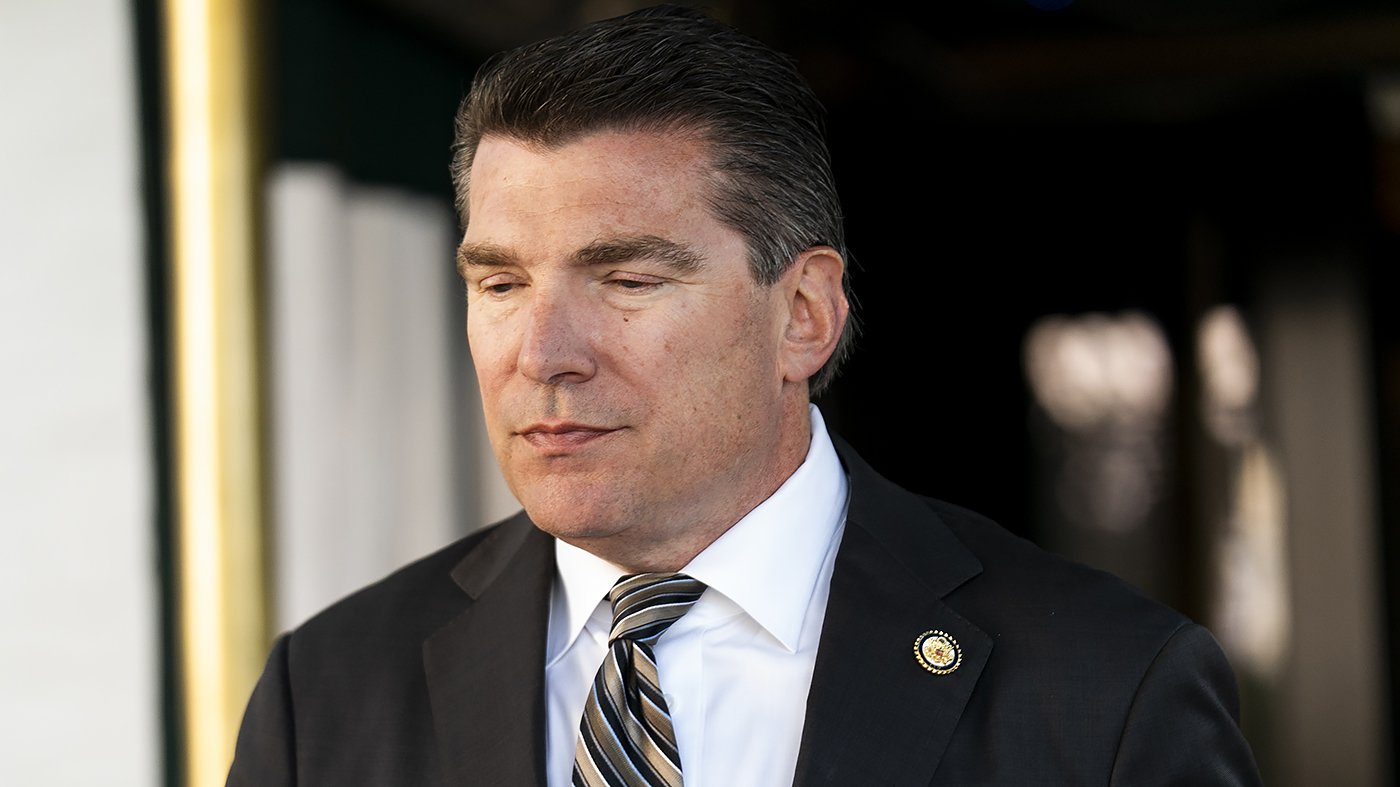
A bipartisan pair of House lawmakers released a long-awaited draft national framework for artificial intelligence on Thursday, proposing a three-year moratorium on state-level AI development regulations. The discussion draft, obtained by The Hill, is designed to preempt state laws that target the development of AI models, while leaving existing state laws on AI use and deployment largely untouched.
According to a summary of the draft, it “expressly does not preempt laws of general applicability, common law remedies, or laws regulating AI use or deployment.” The move comes after more than 18 months of stalled talks in Washington, including a Senate effort last year that fell through at the last minute.
New Federal Oversight and Transparency Requirements
The legislation would codify the Center of AI Standards and Innovation (CAISI), launched last June under the Commerce Department. CAISI would oversee voluntary guidelines and standards for AI security and license independent verification organizations to audit compliance at AI labs. Larger frontier developers would face new transparency mandates, including publishing a “frontier AI framework” detailing technical and organizational protocols for evaluating and managing “catastrophic risks.” Labs would also have to report to CAISI soon after certain safety incidents, including those posing an “imminent risk of death or serious injury.”
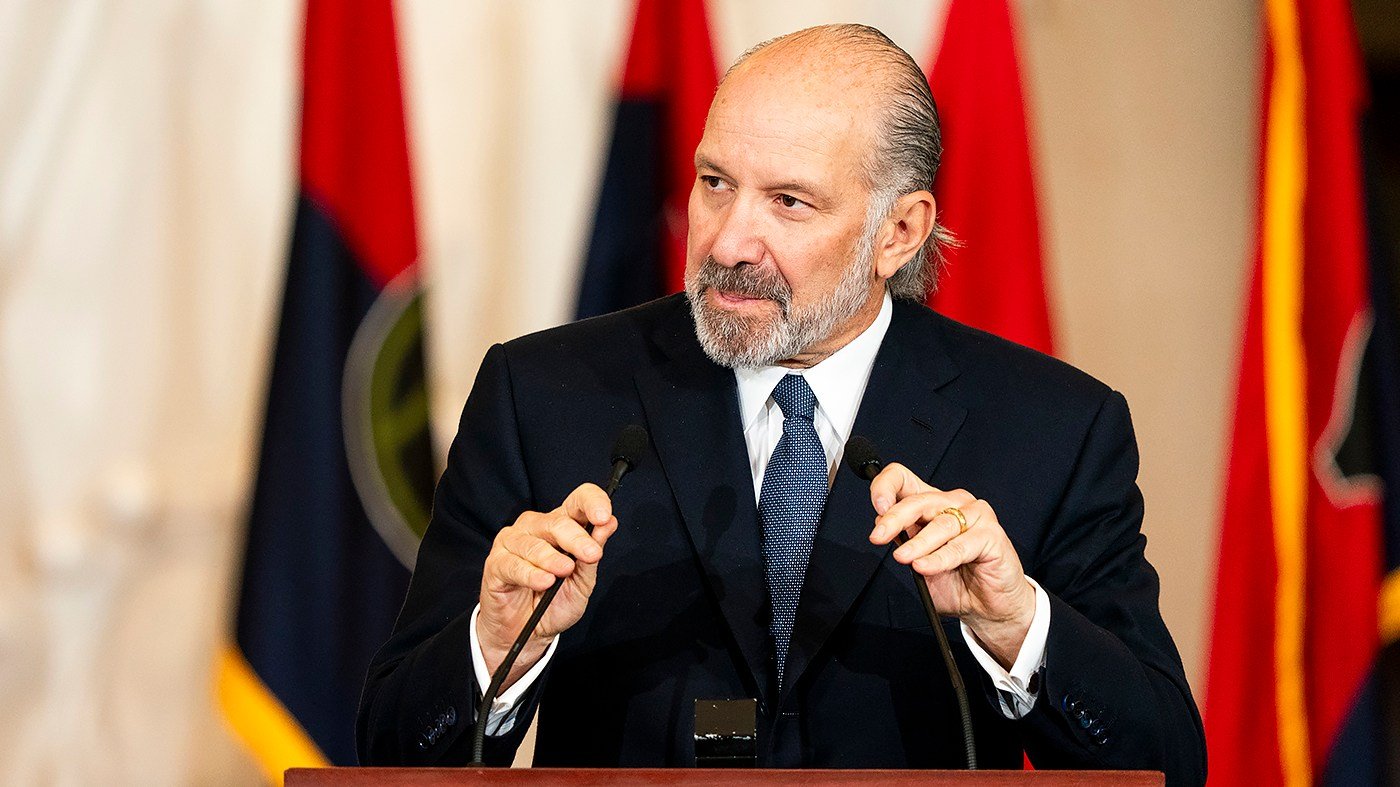
In an op-ed published Thursday in Bloomberg Law, Reps. Jay Obernolte (R-Calif.) and Lori Trahan (D-Mass.) emphasized the draft is not a “final product” but a starting point for broader conversation. “Our framework includes safety and transparency requirements for frontier AI while avoiding a one-size-fits-all approach that would slow innovation,” they wrote.
Balancing Innovation and Risk
Lawmakers have long struggled to craft AI regulation that protects against negative effects while keeping U.S. companies ahead of China in the global AI race. Scrutiny over AI’s cybersecurity capabilities has ramped up in recent months, amid growing voter backlash over its impact on the workforce and environment. The Trump administration has acknowledged these risks but largely promotes a hands-off approach to regulation, including an earlier AI policy “wish list” sent to Congress.
Just days before the draft’s release, President Trump signed an executive order establishing a voluntary government testing process for unreleased AI models. The order allows labs to submit their models for up to 30 days of testing before public release—down from the 90-day period initially proposed, after industry argued that faster development timelines were needed to compete with China.
Obernolte and Trahan said industry, safety experts, and stakeholders view the order as an “important step,” but “many are also asking whether our laws can keep up.” They added, “The question before Congress isn’t whether AI will be governed. It’s whether we will build a clear national framework that protects Americans, supports innovation, and ensures the US leads the world in shaping this technology.”
Workforce Protections and Data Collection
The draft also addresses workforce concerns, proposing that the Secretary of Labor oversee data collection and hold workshops on AI’s labor impact. It would establish an AI Workforce Research Hub to conduct analysis, scenario planning, and policy recommendations. “We can’t prepare Americans for the future if we’re not measuring what’s happening in real time,” the lawmakers wrote. “Our proposal requires better federal data collection on AI’s labor market impact, improved forecasting for occupations most likely to be affected, and additional transparency when AI is a substantial factor in qualifying mass layoffs.”
The draft is Congress’s first real response to the White House’s AI policy demands, and it comes amid broader bipartisan efforts on technology and workforce issues—such as a recent working-class tax cut bill that gained bipartisan support. The framework also echoes the collaborative spirit seen in veteran-led initiatives like the With Honor PAC and For Country Caucus, which push for bipartisanship in a polarized Congress.