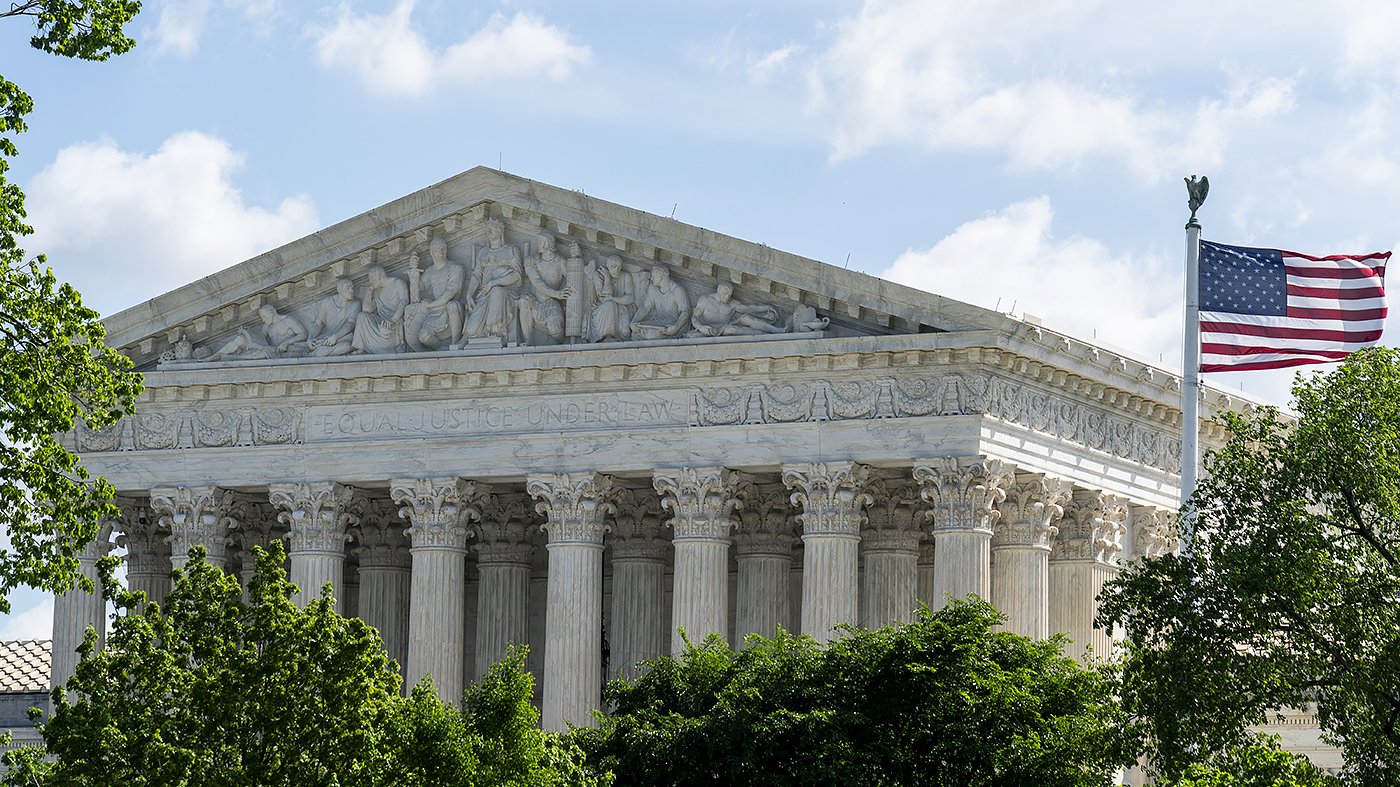
The U.S. Supreme Court on Monday agreed to hear a religious liberty challenge from two Colorado Catholic parishes that could significantly reshape legal protections for religious institutions. The case centers on whether the state can require preschools receiving public funding through its universal preschool program to enroll children of same-sex couples, a mandate the parishes argue forces them to violate their religious beliefs.
A Direct Challenge to State Anti-Discrimination Rules
St. Mary Catholic Parish in Littleton and St. Benadette Catholic Parish in Lakewood, joined by the Archdiocese of Denver and two parents, contend Colorado's rules present an unconstitutional choice: either accept state funding and abandon religious teachings on marriage and sexuality, or maintain those teachings and forfeit access to public preschool funds. The state's anti-discrimination mandate requires participating preschools to provide "an equal opportunity to enroll and receive preschool services regardless of... sexual orientation [or] gender identity." A lower federal court previously rejected the parishes' challenge.
"The rulings below give hostile states a playbook for leveraging their vast and growing government funding programs to pressure religious schools and other ministries to abandon their religious practices or else be excluded from the arena," argued lawyers from The Becket Fund for Religious Liberty, representing the archdiocese, in court filings.
Pathway to Narrowing a Landmark Precedent
Legally, the case presents the conservative-majority Court with a clear vehicle to narrow its 1990 precedent in Employment Division v. Smith. That decision established that neutral, generally applicable laws that incidentally burden religious exercise are presumptively constitutional. At least three conservative justices—Clarence Thomas, Samuel Alito, and Neil Gorsuch—have publicly stated this precedent should be overturned, arguing it permits excessive government intrusion on religious liberty.
While the Court declined to take up the direct question of overturning Smith, it agreed to consider narrowing its application. "Smith was wrongly decided," Justice Alito wrote in a 2022 opinion concerning a Catholic foster care agency. "As long as it remains on the books, it threatens a fundamental freedom. And while precedent should not lightly be cast aside, the Court's error in Smith should now be corrected." At that time, no other justice joined the call for overturning the precedent, leaving it intact but vulnerable.
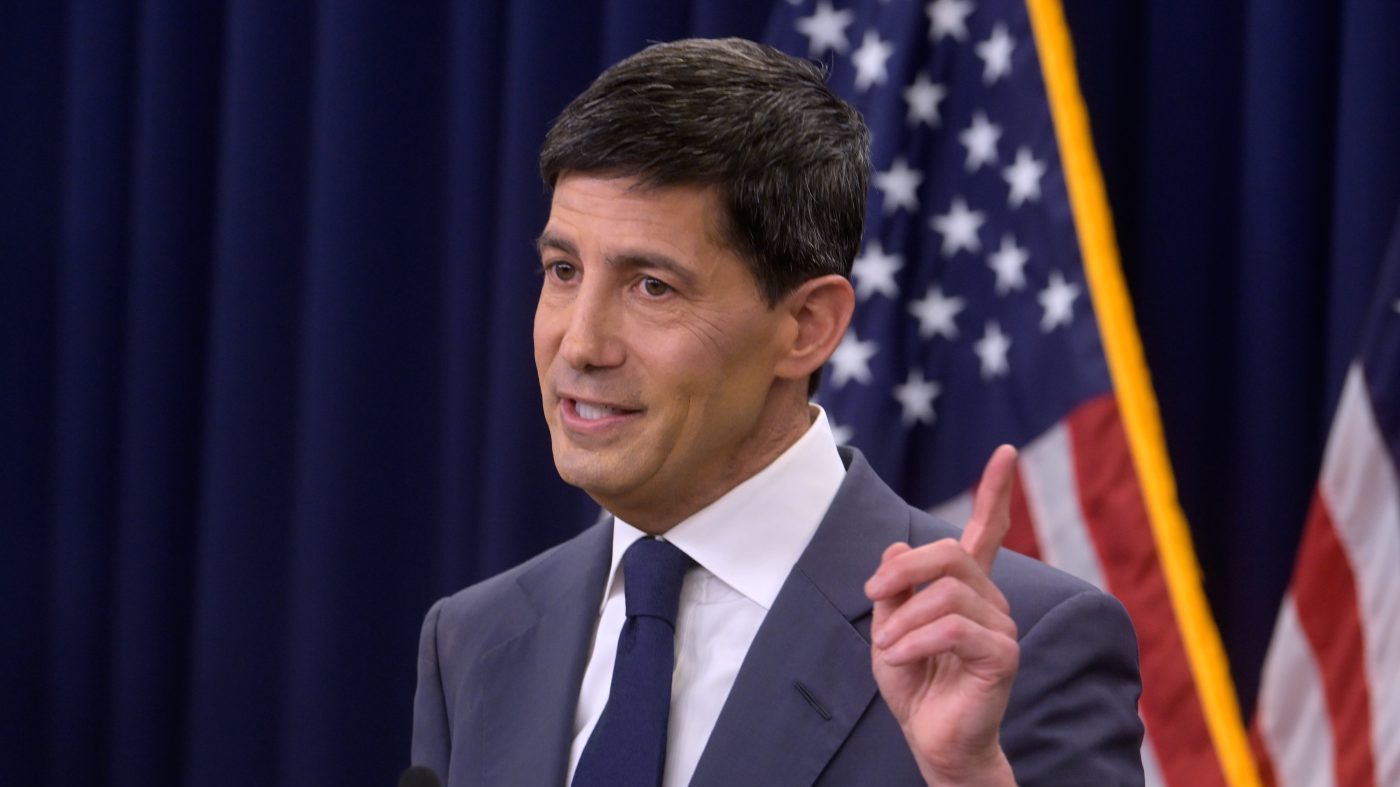
The Trump administration's Solicitor General, D. John Sauer, took the unusual step of urging the Court to hear the preschools' challenge, despite the federal government not being a party to the dispute. In filings, Sauer suggested the Court could rule that too many laws are being deemed "neutral" at the initial stage of legal analysis, which would make it easier for courts to strike down laws that burden religious practice. "If this Court is looking for a vehicle to address this threshold question, this petition appears to present the cleanest option," Sauer wrote.
Colorado's Legal Battleground
This case marks the latest in a series of First Amendment clashes between religious claimants and Colorado's anti-discrimination measures before the high court. Last month, the Court's conservative majority ruled the state's ban on "conversion therapy" violated a Christian counselor's free speech rights. In 2023, it ruled Colorado could not compel an evangelical Christian web designer to create same-sex wedding websites. The current preschool funding dispute, however, hinges more directly on the interpretation and reach of the Smith precedent regarding religious exercise.
The Court's decision to hear the case signals its continued engagement with conflicts at the intersection of religious liberty, public funding, and LGBTQ rights. It also unfolds amid broader political tensions, including strained relations between some political figures and Catholic leadership over social issues. Furthermore, the Court's upcoming term will be busy with consequential rulings, following recent decisions that have triggered major policy shifts, such as the massive tariff refund portal launched after a separate Supreme Court ruling.
The case is scheduled for argument during the Court's next annual term, which begins in October, with a decision likely by June 2025. The outcome could redefine the balance between enforcing state anti-discrimination laws in publicly funded programs and protecting the religious autonomy of participating institutions.