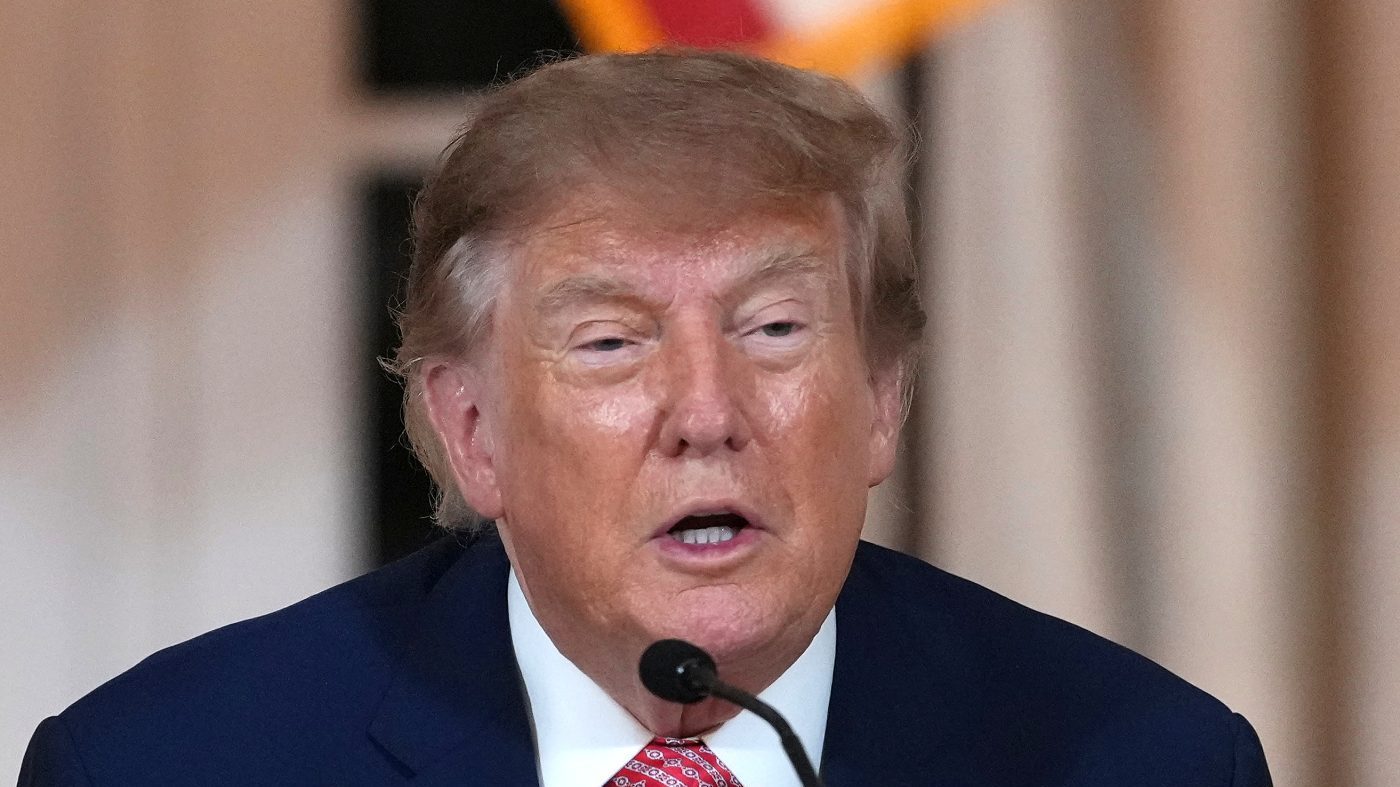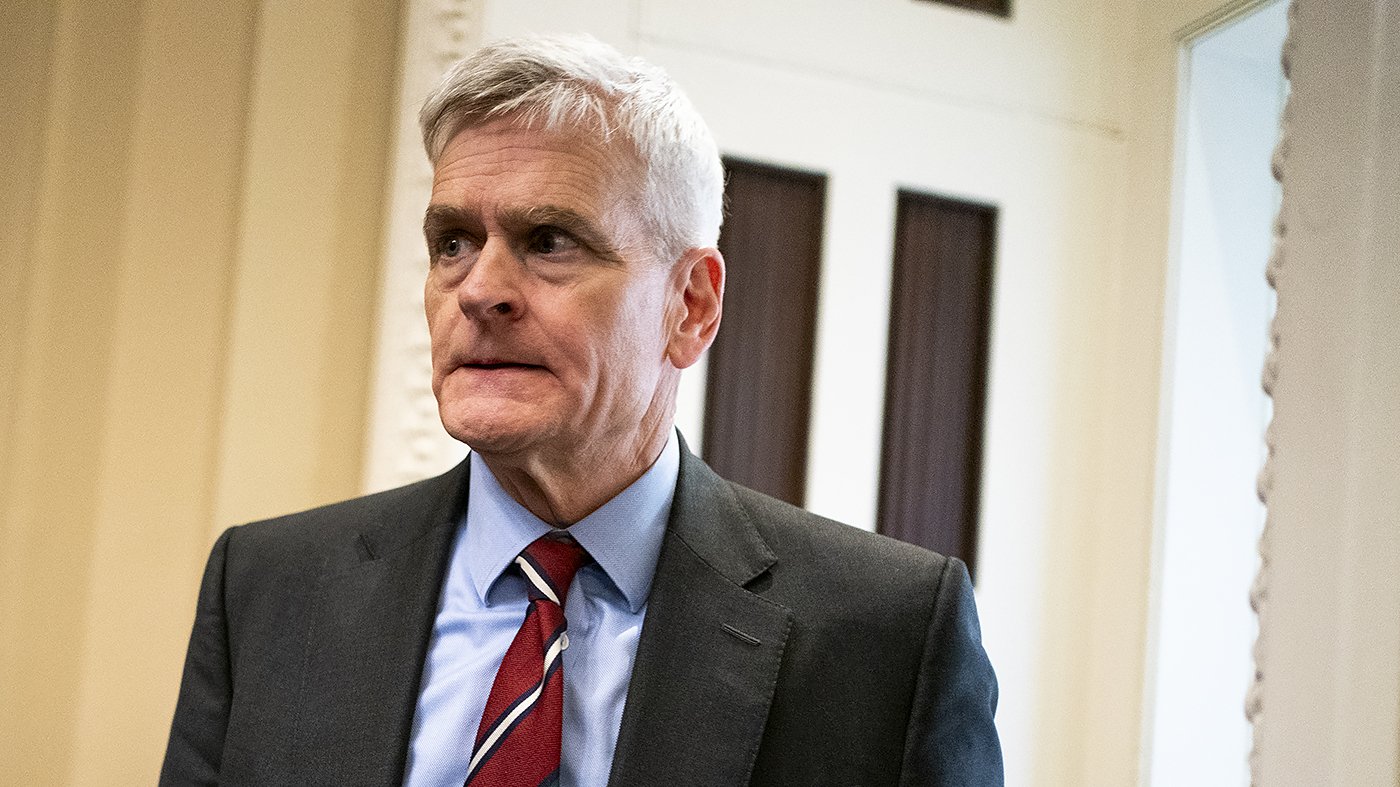
Two senators from opposite sides of the aisle have joined the legal battle against the Trump administration's controversial nearly $1.8 billion compensation fund, filing an amicus brief Wednesday that calls the program an immediate threat to the constitutional order.
Sen. Bill Cassidy (R-La.) and Sen. Cory Booker (D-N.J.) urged U.S. District Judge Leonie Brinkema to block the Department of Justice from disbursing money from the so-called "anti-weaponization" fund, which was created as part of a settlement between the IRS and former President Trump. The fund is designed to issue formal apologies and monetary payments to individuals who claim they were victims of "weaponization and lawfare" by the federal government.
In their brief, lawyers for the senators argued that the fund "presents an immediate and dire threat to our constitutional order and the authority of Congress." They warned that the program effectively recasts individuals convicted for their roles in the Jan. 6, 2021, Capitol attack as victims, while labeling legitimate prosecutions as persecution. "A scheme deliberately designed to recast insurrectionists—including those who perpetrated violence against law enforcement officers—as victims and legitimate prosecutions as persecution does not merely rewrite history; it creates incentives for similar conduct in the future, with the explicit encouragement of the officials responsible for administering justice," the brief stated.
The fund, totaling $1.776 billion, stems from a settlement resolving a long-running dispute, including a $10 billion lawsuit over leaked tax returns. While administration officials insisted there is no partisan requirement for filing a claim, critics quickly condemned it as a taxpayer-funded effort to reward Trump allies, including those prosecuted for the Jan. 6 attack.
Last week, Judge Brinkema, a Clinton appointee, temporarily blocked the DOJ from distributing any money until she can rule on an emergency motion. "It is important that the status quo be maintained until plaintiffs' pending Motion has been resolved," she wrote. The DOJ responded Monday, saying it "strongly disagreed" with the ruling but would comply. Acting Attorney General Todd Blanche later told lawmakers the department was "not moving forward" with the plan, a clarification that came amid growing Republican unease.
President Trump sidestepped questions Wednesday about whether the fund is effectively dead, telling reporters, "I'll have to ask the lawyers." He added, "A radical left judge ruled against it, and we'll see how that all works out."
The bipartisan push to block the fund echoes growing tensions within the GOP. Just last week, three Republican senators crossed the aisle to oppose the fund, signaling deepening divisions over the administration's approach. Cassidy, who has previously criticized the administration's public health policies, has also been vocal on other issues, including blaming former HHS Secretary Robert F. Kennedy Jr. for the resurgence of preventable diseases.
Meanwhile, the administration faces broader scrutiny over its handling of transparency. Recent reports have highlighted sweeping NDAs and workforce cuts that threaten government accountability, as well as controversial personnel moves, such as the nomination of a former housing chief for a top intelligence post, which drew sharp criticism from former CIA Director Leon Panetta.