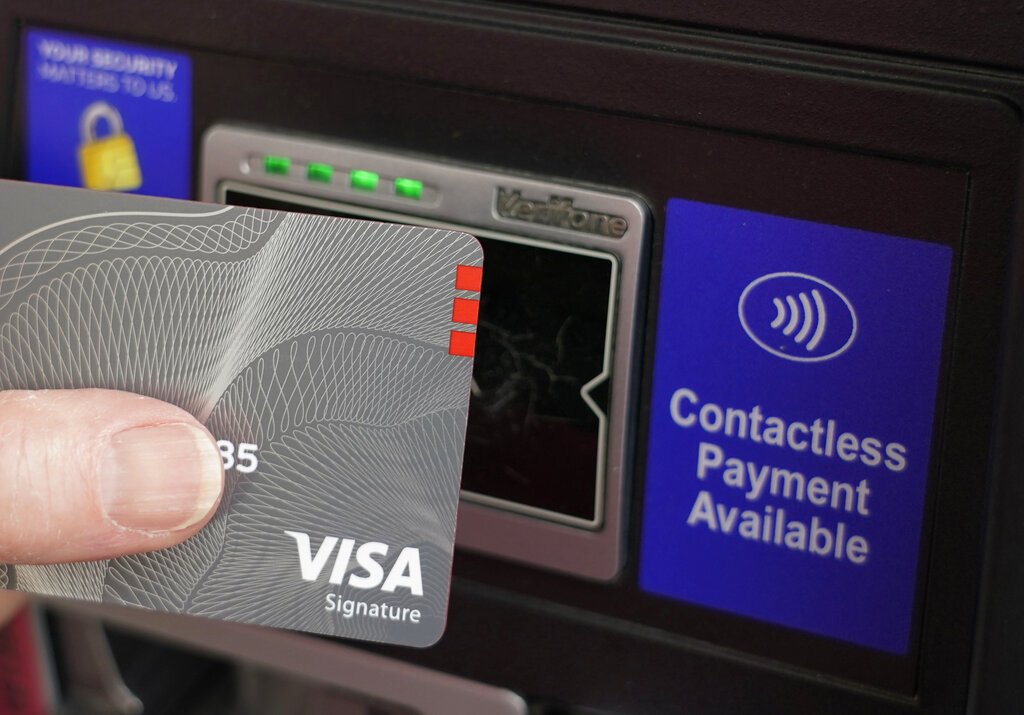
Illinois and Colorado have hit roadblocks in their efforts to rein in credit card swipe fees, as powerful banking interests deploy misinformation and lobbying to stall reform. In Illinois, a first-in-the-nation ban on swipe fees applied to sales taxes and tips was postponed just weeks before its July 1 effective date, following a campaign by Wall Street banks that the state's General Assembly found hard to ignore. The delay means Illinoisans will wait another year for an estimated $500 million in annual savings, though supporters hope courts will reject federal banking regulators' overreach in backing banks' preemption claims.
In Colorado, Democratic Governor Jared Polis vetoed a similar measure projected to save consumers $200 million, after banks raised false alarms about revenue losses. The banking industry, which consistently posts net profit margins around 30 percent—among the highest in the U.S.—has fought state-level reforms by arguing they would gut credit card rewards programs. Yet industry data shows that the combined $700 million in savings from both states represents a tiny fraction of the $198 billion in swipe fees banks collected in 2025, and a mere 0.37 percent of the $380 billion in total revenue from fees and interest.
The core issue is the lack of competition in credit card processing. Visa and Mastercard effectively fix prices for swipe fees charged by all banks issuing under their brands, a practice that adds roughly $1,200 per family annually to the cost of goods and services. Unlike debit card networks, which compete on pricing, credit card networks operate as a duopoly. The bipartisan Credit Card Competition Act (CCCA), introduced by Senators Dick Durbin (D-Ill.) and Roger Marshall (R-Kan.) along with Representatives Zoe Lofgren (D-Calif.) and Lance Gooden (R-Texas), would require Visa and Mastercard to compete with other networks, potentially saving $17 billion per year.
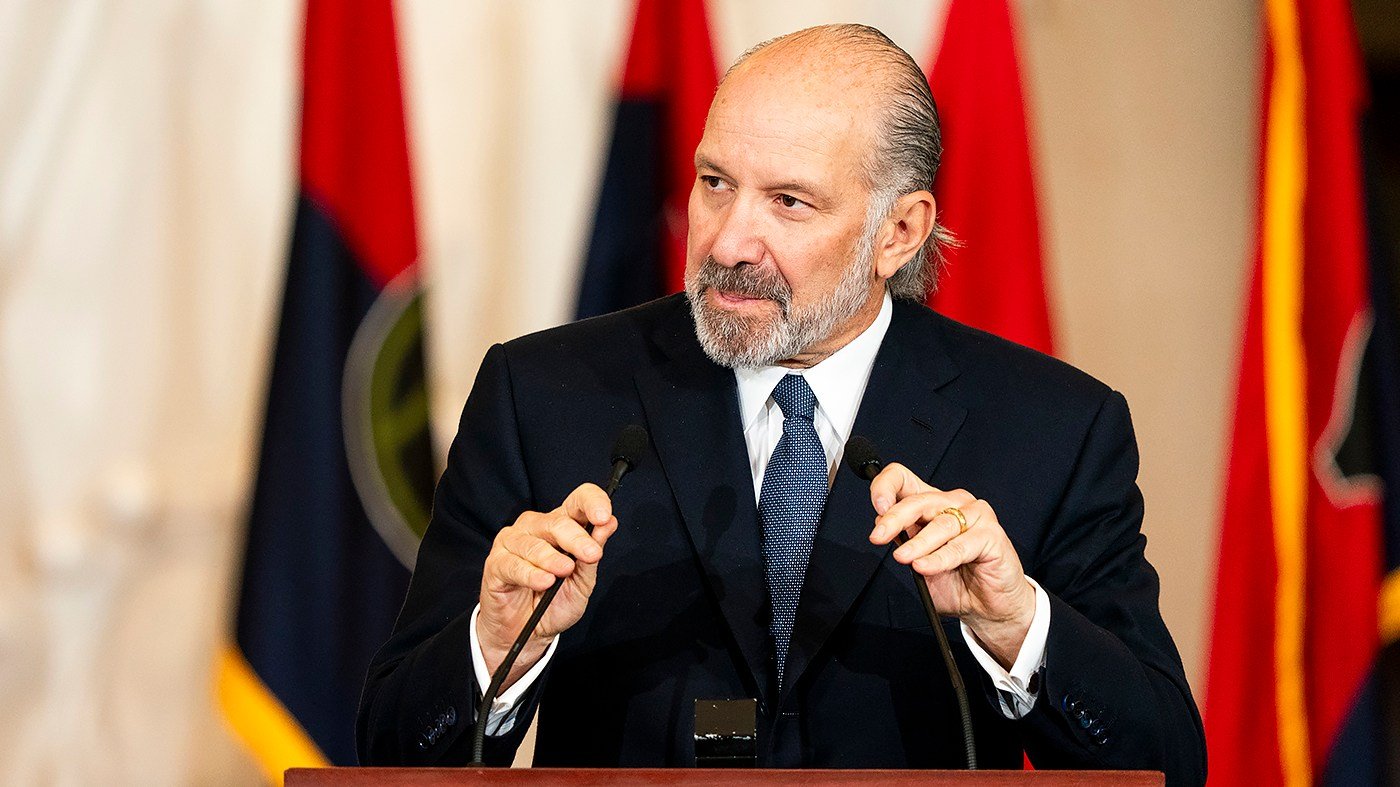
Industry defenders, such as Southwest Public Policy Institute CEO Patrick Brenner, have claimed that state reforms threaten airline miles and other rewards. But the math undermines that argument: banks spend $47 billion annually on rewards against $380 billion in revenue, meaning a $700 million reduction is negligible. Studies show that even full implementation of the CCCA would cut rewards by less than 0.1 percent.
The banking sector's resistance follows a familiar pattern: claim the sky will fall whenever reform is proposed. Yet swipe fees remain merchants' second-highest operating cost after labor, driving up prices for all consumers—even those who pay with cash, since industry rules discourage cash discounts. Former President Donald Trump has called for ending the "out of control Swipe Fee ripoff," aligning with progressives and conservatives alike.
State-level efforts, while important, are stopgaps. The CCCA offers a comprehensive solution by introducing genuine competition into the credit card market. As political dynamics shift, the need for federal action grows more urgent. Small businesses and families cannot afford another year of inflated prices due to a rigged system.
Doug Kantor, a member of the Merchants Payments Coalition Executive Committee, argues that the only way to deliver real relief is through congressional action. "Swipe fees are a hidden tax on every American," Kantor said. "The CCCA would end Visa and Mastercard's monopoly and let competition work."