In a striking display of bipartisan dissent, three Senate Republicans facing tough reelection campaigns this fall broke with their party to support a Democratic amendment that would have permanently barred the Justice Department from establishing an "anti-weaponization" fund — a proposal championed by President Trump. The measure, which failed by a single vote of 49-50, would have derailed the broader reconciliation package and sent it back to the Senate Judiciary Committee for revision.
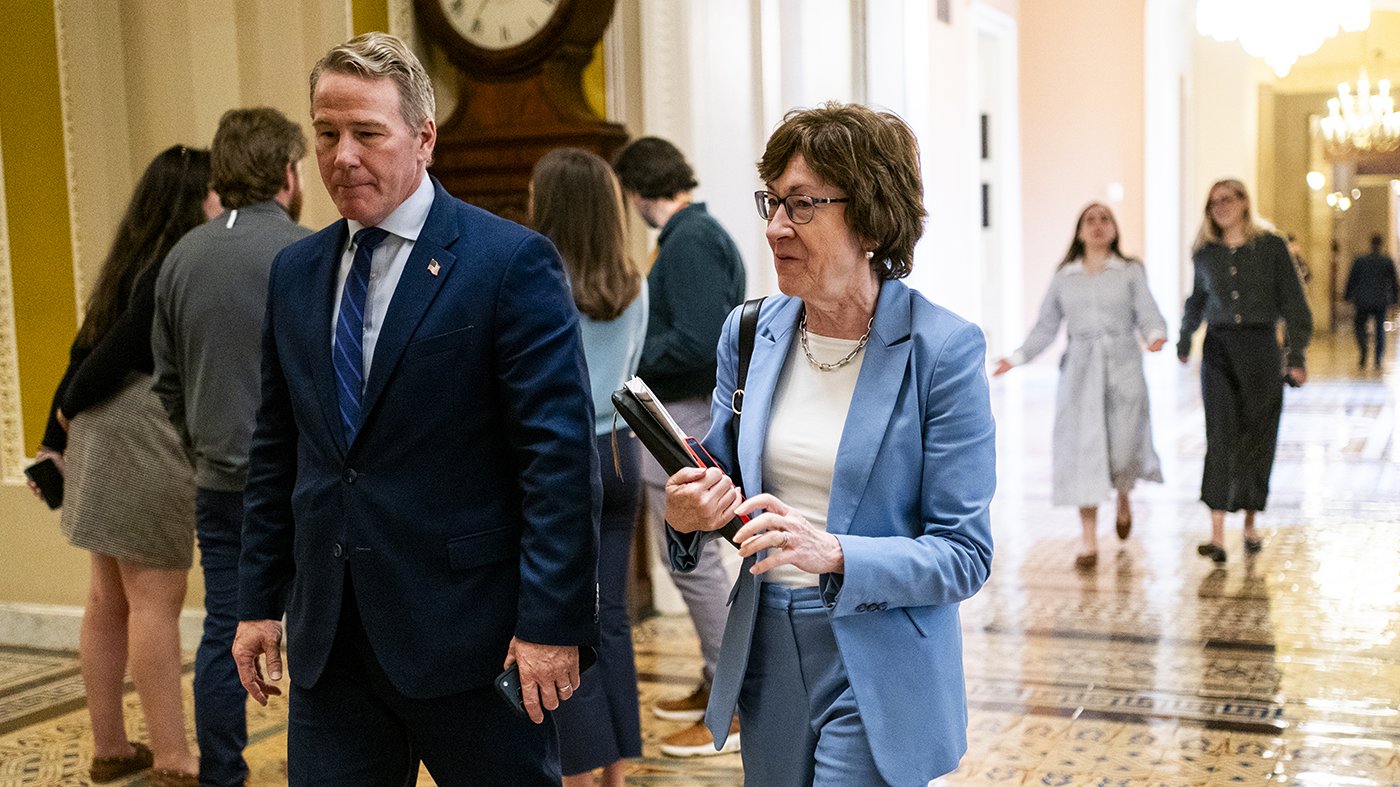
Sens. Susan Collins (R-Maine), Dan Sullivan (R-Alaska), and Jon Husted (R-Ohio) were the lone GOP defectors on the amendment, which aimed to preemptively block the creation of a fund that critics argue could be used to target political opponents. Collins, widely viewed as the most vulnerable Republican up for reelection this cycle, has a history of breaking with Trump on key votes. But Sullivan and Husted, typically reliable allies of the former president, surprised many by siding with Democrats.
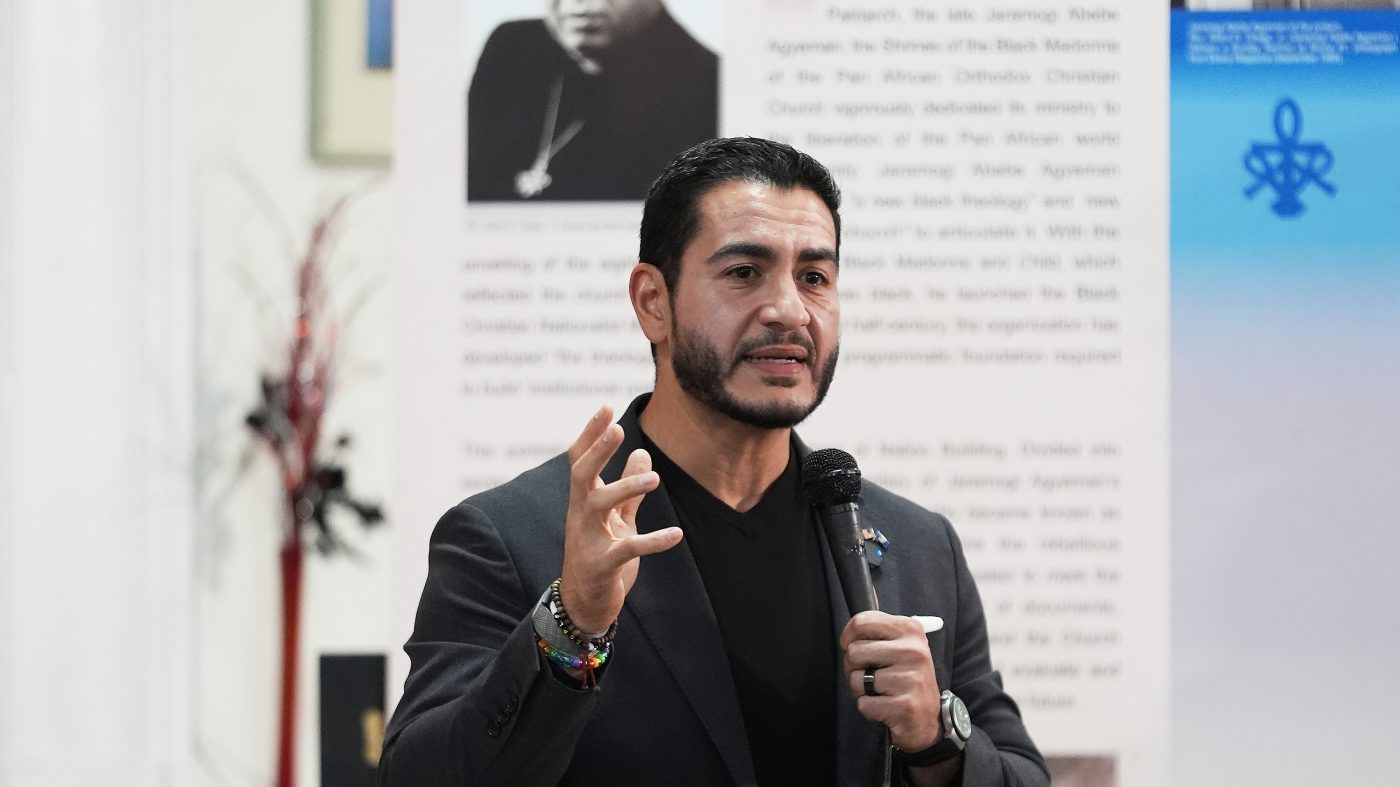
The vote came amid mounting electoral pressure. Husted, trailing former Sen. Sherrod Brown (D-Ohio) by 8 points in a recent Fox News poll, appeared to be hedging his bets. Sullivan, who was down about 4 points against Democratic challenger Mary Peltola in an Alaska Survey Research poll from mid-March, also voted with Democrats on several amendments during an earlier vote-a-rama. Their decisions underscore the precarious position of Republicans in swing states as they navigate Trump's agenda versus independent voters' concerns about federal overreach.
The anti-weaponization fund, announced by Trump and the DOJ late last month, threw the immigration enforcement reconciliation bill into chaos. Many senators who supported the $70 billion package were frustrated by the fund's inclusion, as it was unrelated to border security but fell under the Judiciary Committee's jurisdiction. The controversy had already forced Senate leadership to recalibrate the legislative path forward after a GOP revolt.
Acting Attorney General Todd Blanche attempted to defuse the situation earlier this week by telling lawmakers the fund was dead, following intense pushback from senators. However, skepticism remained high, leading to the amendment votes designed to codify a ban into law. The narrow defeat of the measure leaves the door open for future attempts to resurrect the fund, though Blanche's assurances may have temporarily calmed the waters.
This episode highlights the deepening fault lines within the Republican Party ahead of the November elections. While some conservatives have rallied behind Trump's proposal as a necessary check on judicial bias, others — particularly those in competitive races — view it as a political liability. The fund's potential for misuse, reminiscent of other partisan battles over executive power, has drawn scrutiny from both sides of the aisle.
The failed amendment also reflects broader tensions in the Senate over the reconciliation process. The immigration bill, a priority for GOP leaders, has been repeatedly sidetracked by amendments on unrelated matters. Senate Majority Leader John Thune has pushed for a streamlined $72 billion border security package, but internal divisions continue to stall progress.
For Collins, Sullivan, and Husted, their votes may resonate with moderate and independent voters who are wary of politicizing the Justice Department. Yet they risk alienating the Trump base that remains influential in GOP primaries. As the campaign season intensifies, these senators will have to balance their legislative records against the demands of a polarized electorate.