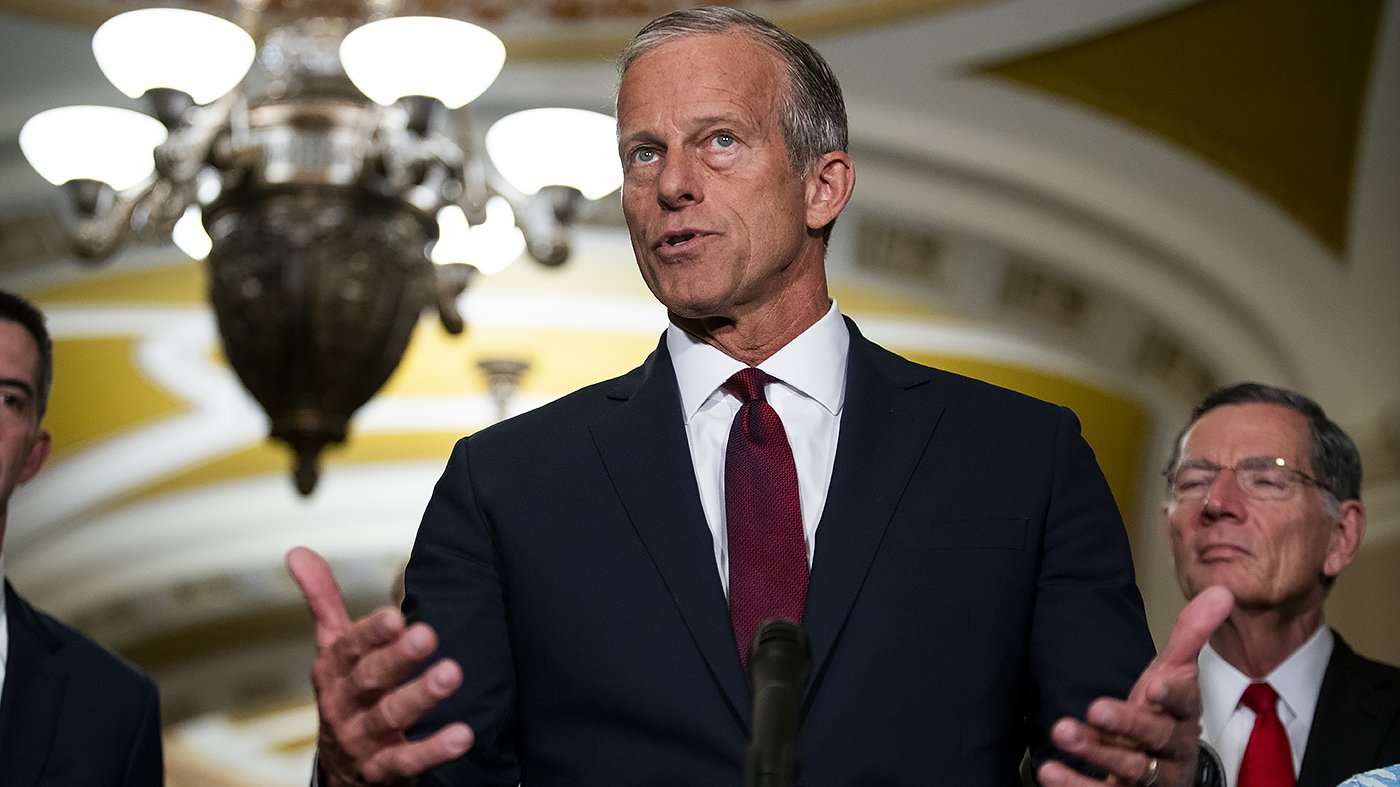
Senate Majority Leader John Thune (R-S.D.) is pressing forward with a $72 billion budget reconciliation package on Wednesday, aiming to secure enough Republican votes to break a stalemate that has stalled the border security bill for weeks. The legislation would fund Immigration and Customs Enforcement (ICE) and Border Patrol through 2029, a key priority for President Trump, but internal GOP disputes over a proposed $1.8 billion anti-weaponization fund have complicated its path.
Thune expressed cautious optimism about advancing the bill, telling reporters he is "hopeful" that the chamber can begin a marathon series of amendment votes—known as a vote-a-rama—on Wednesday evening, with final passage expected early Thursday morning. The so-called preferred alternative would keep senators in session through the night, a familiar tactic for moving contentious legislation through the upper chamber.

The biggest hurdle remains a planned amendment from Sen. Thom Tillis (R-N.C.) that would explicitly bar the Trump administration from establishing the anti-weaponization fund, which was designed to compensate individuals who claimed they were unjustly prosecuted by the Biden-era Justice Department. Republican leaders are wary of the amendment, warning that its adoption could complicate House passage or trigger a presidential veto.
Acting Attorney General Todd Blanche sought to defuse the controversy during a House hearing Tuesday, stating that the administration would abandon the fund entirely and not revive it. GOP colleagues of Tillis argue that this commitment renders the amendment unnecessary, urging senators to trust the White House's word rather than risk derailing the broader reconciliation effort.
The standoff has already forced delays. President Trump had set a June 1 deadline for passing the package, but the firestorm over the anti-weaponization fund prompted Thune to send lawmakers home for the Memorial Day recess without a vote. The delay has heightened tensions within the party, as some conservatives push for tighter fiscal controls while others prioritize border funding.
Thune has been working behind the scenes to secure the necessary votes, including private meetings with holdouts. The Majority Leader's push comes as the GOP seeks to demonstrate unity on immigration enforcement, a core campaign issue. However, the internal rift over the fund has exposed broader disagreements over how aggressively the party should pursue retribution against perceived political prosecutions.
The reconciliation process allows the bill to bypass the 60-vote filibuster threshold, but it requires near-unanimous Republican support given the narrow 53-47 majority. With Democrats expected to oppose the measure, every GOP defection could sink the effort.
In related developments, the Trump administration's decision to drop the fund has been praised by some Republicans as a pragmatic move to clear the legislative path. Yet Tillis and other skeptics remain unconvinced, warning that without a statutory prohibition, the fund could be revived through executive action. The debate underscores the delicate balance the GOP must strike between advancing Trump's agenda and maintaining legislative discipline.
As the Senate prepares for what could be an all-night session, the outcome remains uncertain. Thune's ability to corral his conference will be a test of his leadership and a signal of whether the party can deliver on its border security promises ahead of the 2026 midterms.