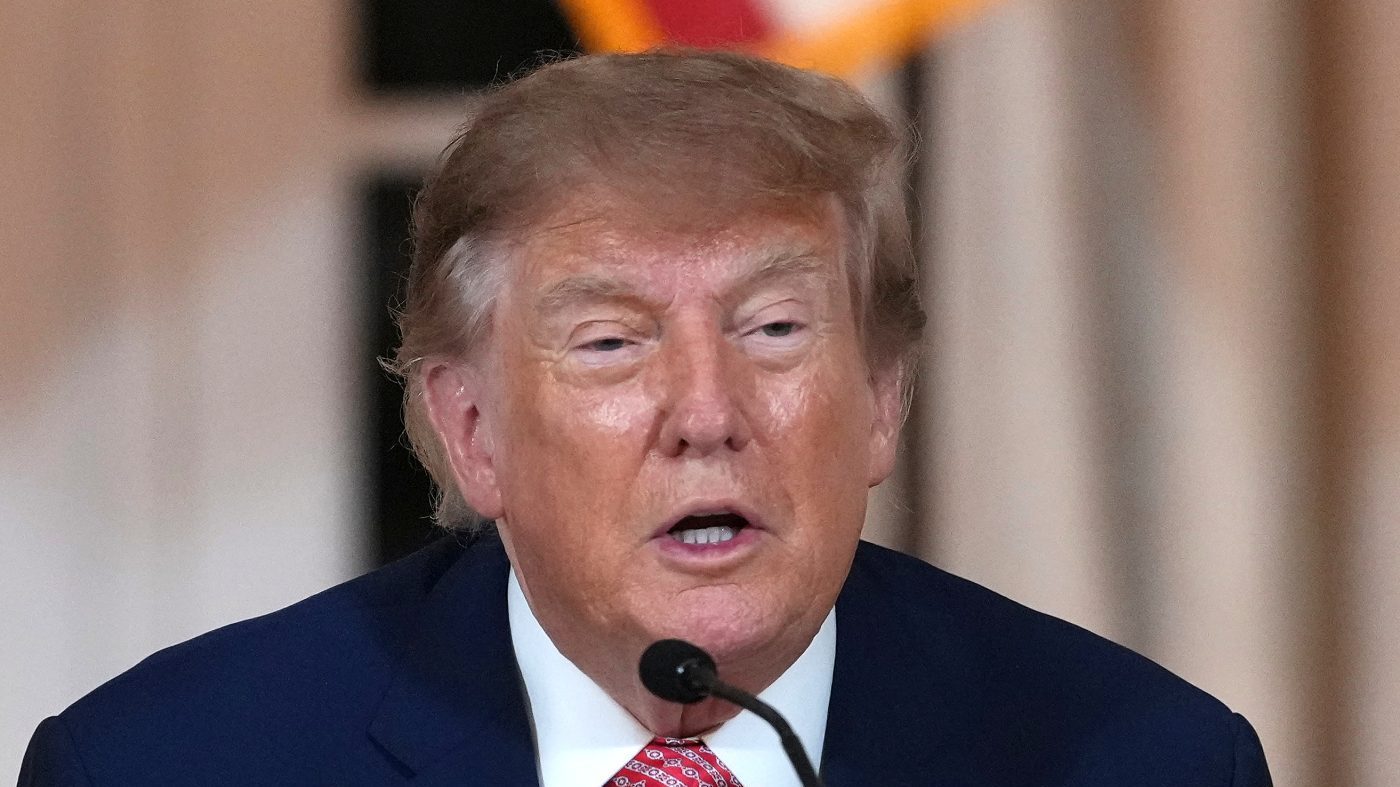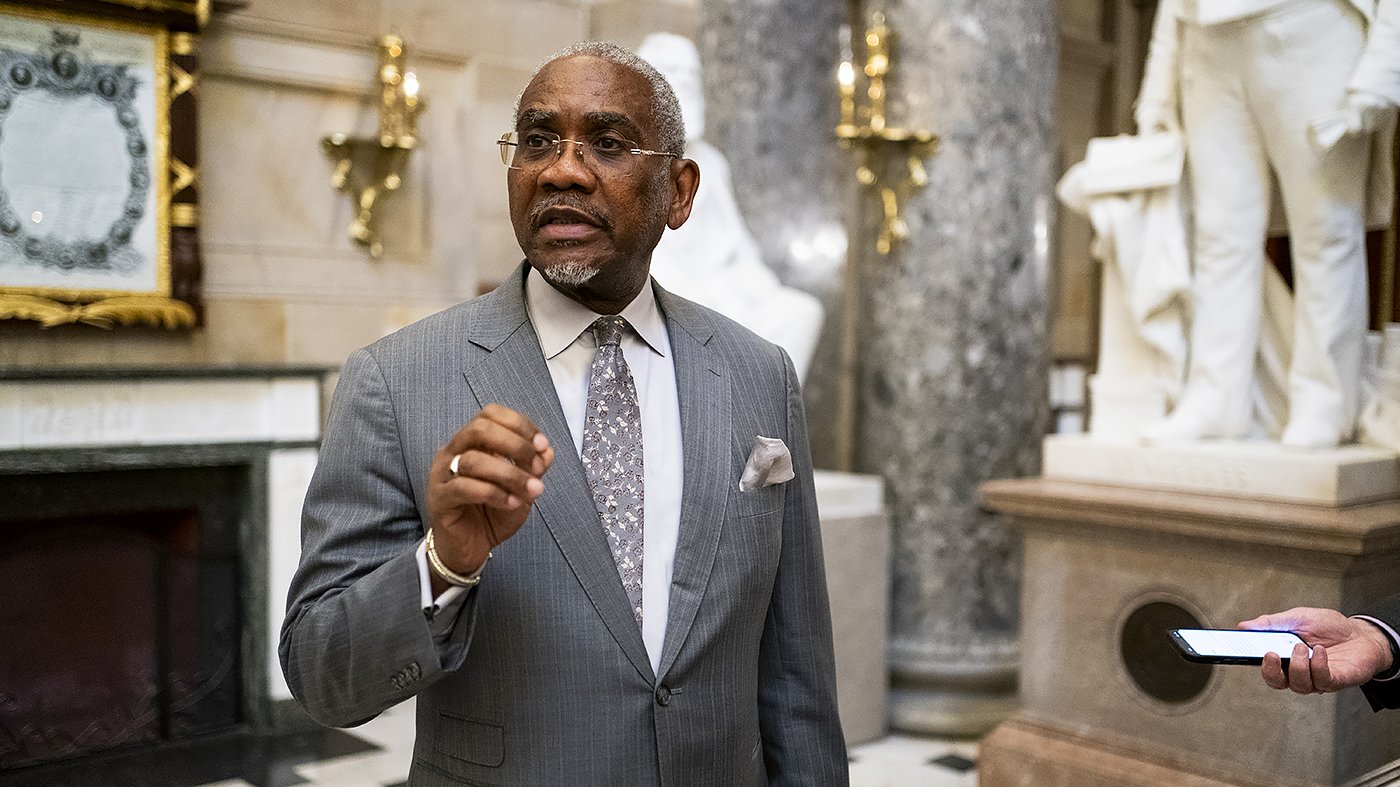
House lawmakers voted Wednesday to force President Trump to end military operations against Iran, a procedural victory for Democrats and constitutional hawks who argue the conflict lacks legal authorization from Congress. The 215-208 tally saw four Republicans—Reps. Thomas Massie (Ky.), Brian Fitzpatrick (Pa.), Tom Barrett (Mich.), and Warren Davidson (Ohio)—cross party lines to join every Democrat in supporting the measure.
The resolution, a concurrent measure that doesn't carry the force of law, is largely symbolic. It heads next to the Senate, where a similar joint resolution—which would require Trump's signature or face a veto—is stalled. The White House has dismissed the House effort as an unconstitutional legislative veto over executive war powers.

Still, the vote marks a significant political moment, putting Congress on record against a conflict that has dragged on for over three months, rattled global markets, and shown no clear path to resolution. “It’s very powerful,” said Rep. Jared Huffman (D-Calif.). “We’re inching closer to having both chambers of Congress declare this an illegal war. That’s huge.” He added, “It’s just becoming more and more untenable, what he has done.”
The vote underscores a growing willingness among some Republicans to break with Trump on key issues as midterm elections approach. Already, GOP lawmakers have balked at Trump’s $1 billion request for security around his White House ballroom, and a separate push for a $1.8 billion “anti-weaponization” fund was abandoned this week after a wave of opposition—led in part by Fitzpatrick, who forced a House vote to block the fund.
War critics in both chambers have tried repeatedly over the past three months to end the conflict, only to be blocked by GOP leadership. The breakthrough came last month when Sen. Bill Cassidy (R-La.) flipped his vote after Trump helped defeat him in the Louisiana GOP primary. The Senate’s own war powers resolution has yet to face a final vote.
Behind Speaker Mike Johnson (R-La.), most Republicans argue the Iran operations don’t constitute a formal war and thus don’t require congressional approval. They also warn that tying Trump’s hands in the middle of hostilities would embolden Tehran. But that wall has eroded as the conflict grows increasingly unpopular, especially among independents—a warning sign for vulnerable GOP incumbents.
The economic toll has been a major driver: global trade disruptions have spiked prices on gas and groceries. The national average for a gallon of gas hit $4.26 on Wednesday, up from $3.14 a year ago, according to AAA. Democrats have hammered the issue, accusing Trump of breaking promises to avoid overseas conflicts and cut costs for working families. “Donald Trump’s reckless and costly war of choice has cost everyday Americans hundreds, if not thousands of dollars more,” House Minority Leader Hakeem Jeffries (D-N.Y.) told reporters Tuesday.
Some Republicans cite the 1973 War Powers Act, which allows presidents to launch operations without congressional approval for 60 days, extendable by 30. That window closed in early May, prompting demands that Trump seek explicit authorization. The resolution, sponsored by Rep. Greg Meeks (N.Y.), directs Trump to withdraw all U.S. forces “from hostilities” with Iran unless Congress declares war or passes a specific authorization for use of military force.
The measure’s concurrent designation means it requires both chambers’ approval but doesn’t go to the White House for signature or veto—unlike the Senate’s joint resolution, which would land on Trump’s desk. The president is expected to veto any such measure if it reaches him.