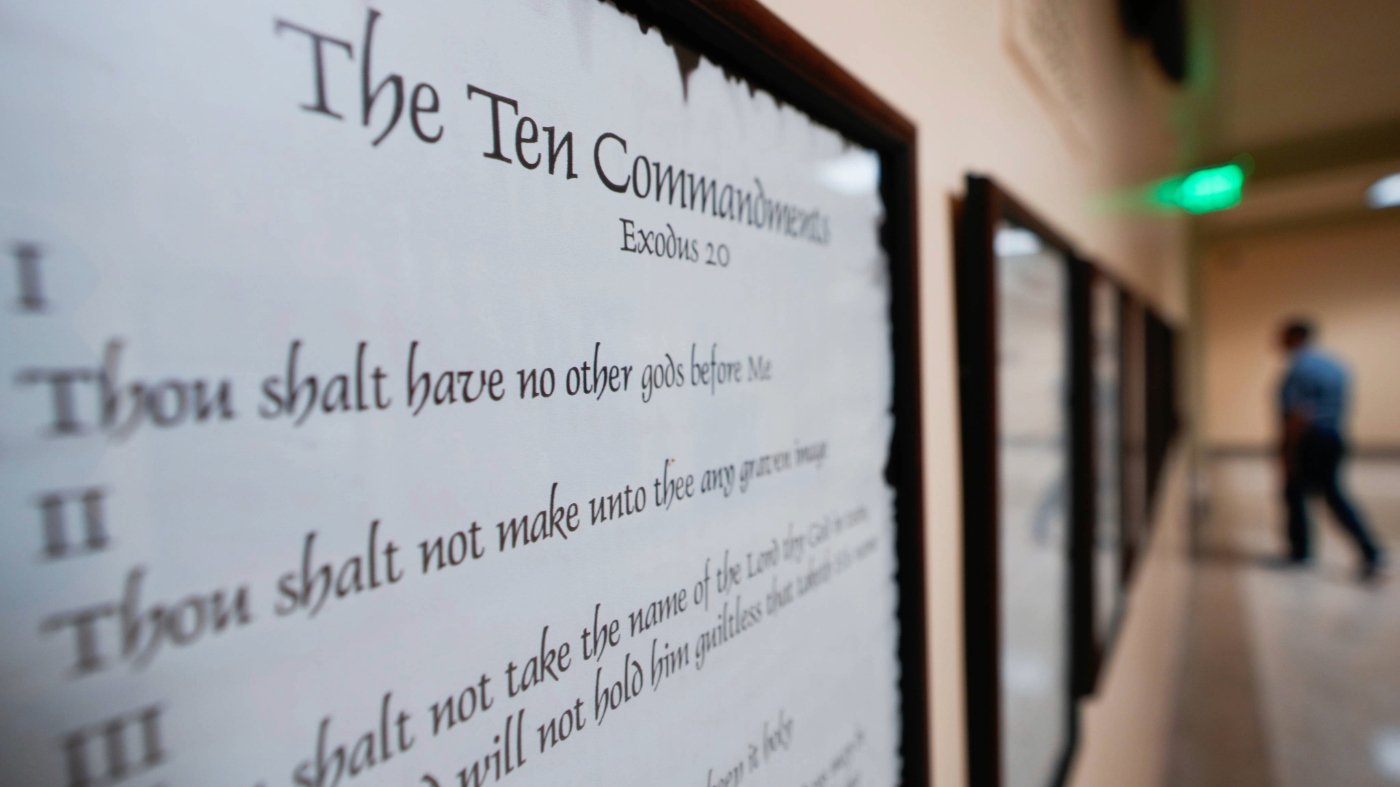
A sharply divided federal appeals court has cleared the way for Texas to mandate the display of the Ten Commandments in public school classrooms, delivering a significant victory to conservative state officials and overturning a lower court injunction against the controversial law.
The U.S. Court of Appeals for the Fifth Circuit ruled 9-8 on Tuesday to reverse a district court decision that had blocked Senate Bill 10. The law requires schools to post the religious text in a "conspicuous place" in each classroom, provided the posters are donated rather than purchased with public funds.
Majority Opinion and State Reaction
In its majority opinion, the court held that the Texas statute does not violate the Establishment Clause of the First Amendment. The judges wrote that the law "has none of the elements of a founding-era establishment of religion," concluding the lower court erred in finding a constitutional violation. This reasoning follows a similar decision by the same court two months ago allowing Arkansas to enforce a parallel mandate.
Texas Attorney General Ken Paxton, a Republican who defended the law, hailed the ruling as "a major victory for Texas and our moral values." In a statement, Paxton said, "My office was proud to defend SB 10 and successfully ensure that the Ten Commandments will be displayed in classrooms across Texas. The Ten Commandments have had a profound impact on our nation, and it's important that students learn from them every single day." Paxton has been active on multiple conservative legal fronts, including a recent lawsuit against the Democratic fundraising platform ActBlue.
Immediate Legal Challenge and Supreme Court Path
Opponents of the law, including the organizations representing the plaintiffs, immediately signaled their intention to appeal to the U.S. Supreme Court. In a joint statement, they expressed deep disappointment, arguing the decision "goes against fundamental First Amendment principles and binding U.S. Supreme Court authority."
"The First Amendment safeguards the separation of church and state, and the freedom of families to choose how, when and if to provide their children with religious instruction. This decision tramples those rights," the statement read. "We anticipate asking the Supreme Court to reverse this decision and uphold the religious-freedom rights of children and parents." This potential appeal would add to a docket already grappling with significant questions about the boundaries between government and religion, as well as other high-stakes institutional matters, such as those revealed in recent exposures of the Court's 'shadow docket' deliberations.
Broader Context of Religious Initiatives in Texas Schools
The ruling represents the latest success in a concerted push by Texas lawmakers to incorporate religious materials into public education. This effort includes an optional state curriculum with Bible-based lessons and an upcoming legislative vote on a proposal to make Bible stories required reading for certain grade levels.
Legal experts note the 5th Circuit's decision creates a direct circuit split on the issue of religious displays in schools, increasing the likelihood the Supreme Court will grant certiorari. The case joins a growing list of contentious social policy disputes—from abortion rights, as seen in a recent Pennsylvania court decision establishing a constitutional right to abortion, to LGBTQ+ protections—that are being fought in the judicial arena.
The narrow 9-8 margin of the appeals court decision underscores the deep legal and philosophical divisions over the interpretation of the Establishment Clause in modern public institutions. With the plaintiffs vowing an appeal, the constitutionality of mandating religious displays in taxpayer-funded classrooms appears destined for a definitive ruling from the nation's highest court.