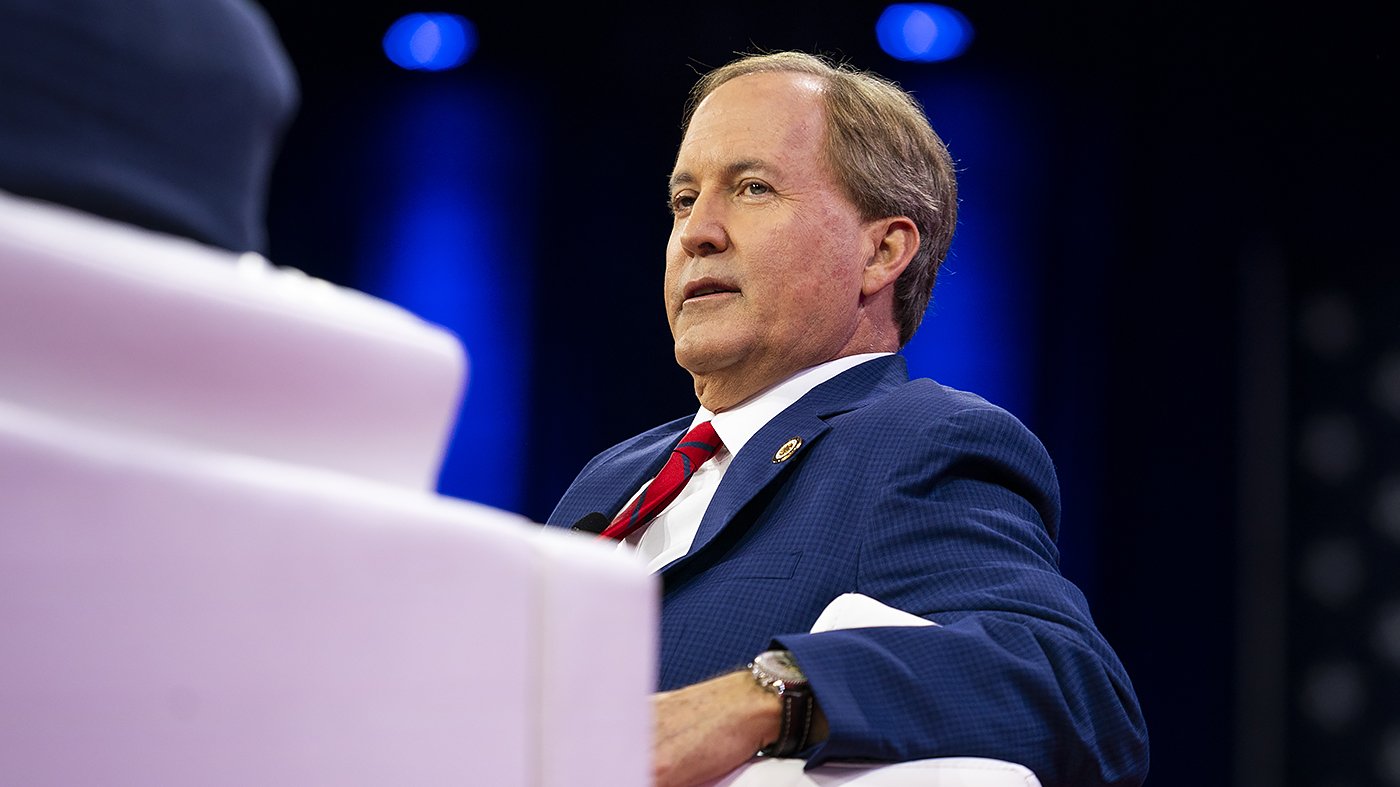
Texas Attorney General Ken Paxton has initiated a major legal challenge against ActBlue, the dominant Democratic fundraising platform, alleging it systematically misled congressional investigators and the public about its security protocols for processing political donations. The lawsuit, filed in Tarrant County District Court, represents an escalation in Republican efforts to scrutinize the financial infrastructure supporting Democratic candidates.
"ActBlue provided false information to Congress and to American donors, and I intend to hold them accountable," Paxton stated. "Their operations have clearly violated Texas statutes prohibiting deceptive trade practices, and they must face consequences for this unlawful behavior." The Attorney General's office is seeking a court order to bar ActBlue from accepting contributions via gift cards and prepaid debit cards, payment methods the state argues are vulnerable to fraud.
ActBlue swiftly dismissed the litigation as politically motivated. A spokesperson characterized the suit as a "transparent political maneuver" designed to influence the ongoing Texas Senate primary, where Paxton is competing against incumbent Senator John Cornyn in a Republican runoff. The eventual nominee will face Democrat James Talarico, whose campaign recently posted record-breaking fundraising numbers. "If Paxton and his allies were genuinely concerned about donor security, they would advocate for universal standards rather than singling out our organization," the ActBlue representative told reporters.
The legal action builds upon an investigation Paxton launched in 2023 into whether ActBlue's systems enabled fraudulent donations in violation of Texas law. It also follows increased scrutiny from congressional Republicans, prompted by a New York Times report detailing internal platform memos that suggested ActBlue may have provided incomplete or misleading information to federal investigators regarding its handling of potentially foreign-sourced contributions. Paxton's petition directly references this reporting.
ActBlue, founded in 2004, has become the central fundraising engine for Democratic campaigns and causes, reporting nearly $1.8 billion in small-dollar donations processed in 2025 alone. Its prominence has made it a frequent target for Republican officials. The lawsuit coincides with broader GOP efforts to challenge political financing mechanisms, a dynamic also seen in recent controversies over corporate fraud allegations in the technology sector.
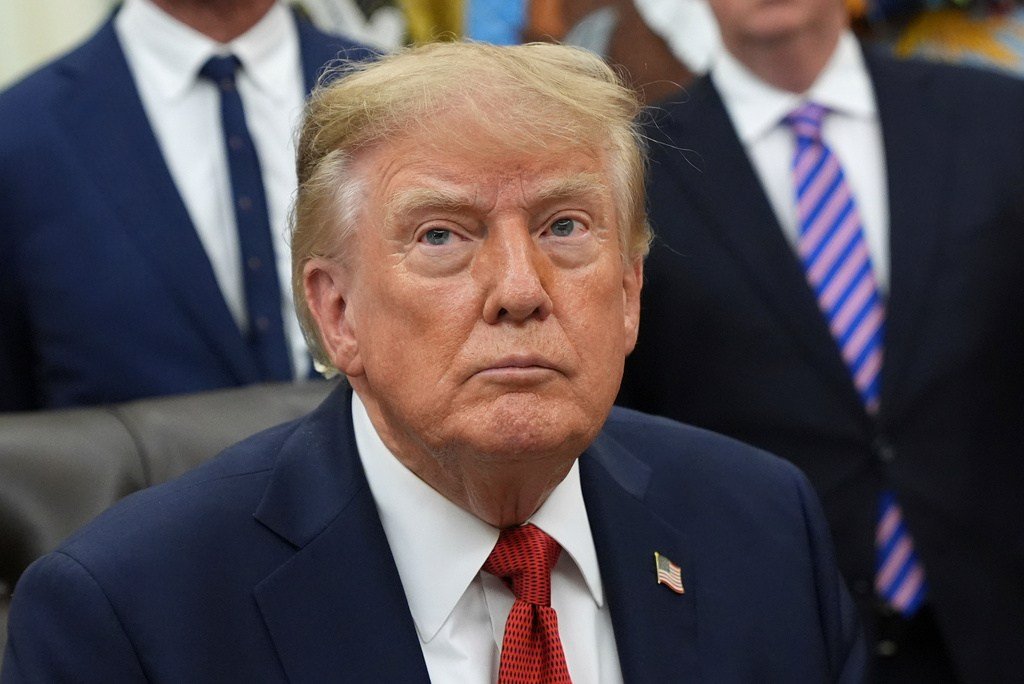
This is not the first federal attention on the platform. Last year, former President Donald Trump issued a memorandum directing the Justice Department to examine ActBlue for potential campaign finance violations, a move critics interpreted as leveraging executive authority against political opponents. The ongoing legal and political battles highlight the increasingly contentious landscape of campaign finance, where operational security and partisan advantage are deeply intertwined.
The case lands as Paxton navigates his own contentious primary battle. Some observers suggest the lawsuit serves a dual purpose: advancing a policy priority for Republican donors while bolstering Paxton's profile in a competitive race. This interplay between litigation and election politics mirrors other high-stakes Republican internal dynamics, such as the public warnings about intra-party conflicts jeopardizing electoral prospects.
As the legal process unfolds, the case will test the boundaries of state oversight over national political fundraising platforms and could establish significant precedents for how digital donation systems are regulated. The outcome may influence not only ActBlue's operations but also the security standards for Republican-aligned platforms, potentially reshaping the infrastructure of modern political campaigning.