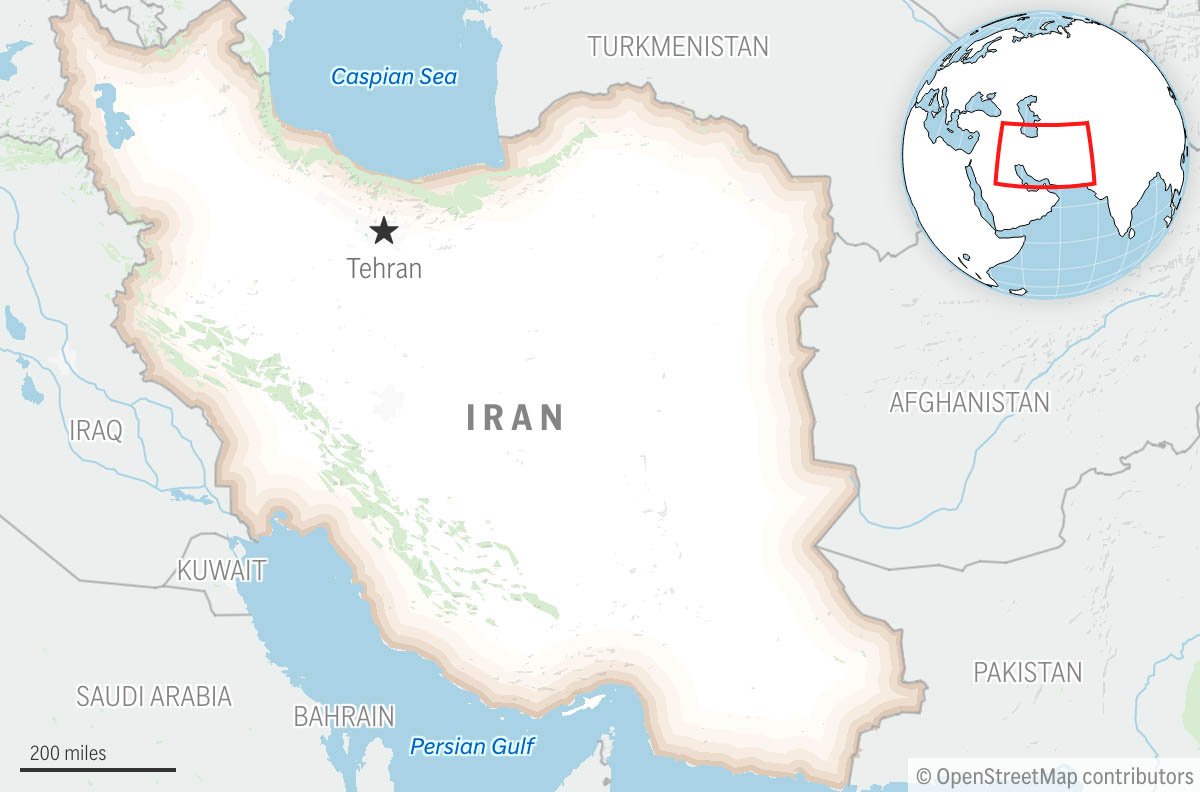
The United Nations nuclear watchdog has lost the ability to inspect key Iranian nuclear facilities affected by the war last June, according to a confidential report circulated to member states and obtained by The Associated Press on Thursday.
The International Atomic Energy Agency acknowledged it "cannot provide any information on the current size, composition or whereabouts of the stockpile of enriched uranium in Iran or whether Iran has suspended all enrichment-related activities." The agency warned it is "unable to discharge its safeguards responsibilities" under the Safeguards Agreement of the Nuclear Non-Proliferation Treaty, calling it "indispensable and urgent" for Tehran to comply.

Since the IAEA's last report in February, inspectors have visited only one Iranian nuclear site: the Bushehr nuclear power plant, which was inspected June 1-3. That reactor, which uses Russian-supplied uranium enriched to 4.5%, is running at full capacity for civilian power generation.
The IAEA's assessment comes amid escalating regional tensions. Iranian drones struck a passenger terminal at Kuwait's main airport Wednesday, killing one person and wounding dozens, briefly closing the airfield. The attack is the latest in a series of exchanges between Iran and the United States that are testing a fragile ceasefire.
According to the IAEA, Iran now holds a stockpile of 440.9 kilograms (972 pounds) of uranium enriched up to 60% purity—just a technical step away from weapons-grade levels of 90%. IAEA Director General Rafael Grossi told the AP in a recent interview that amount could theoretically allow Iran to build as many as 10 nuclear bombs, though he stressed that does not mean Tehran has a weapon. Under normal circumstances, such highly enriched material should be verified every month.
Grossi reiterated his "full support to the negotiations underway aimed at finding a mutually acceptable solution to issues related to Iran's nuclear programme, and his readiness … to support an eventual agreement." Talks have dragged on for weeks as mediators seek a more durable truce in the war, now in its fourth month, and are further strained by Israel's expanding conflict with Iran-backed Hezbollah in Lebanon.
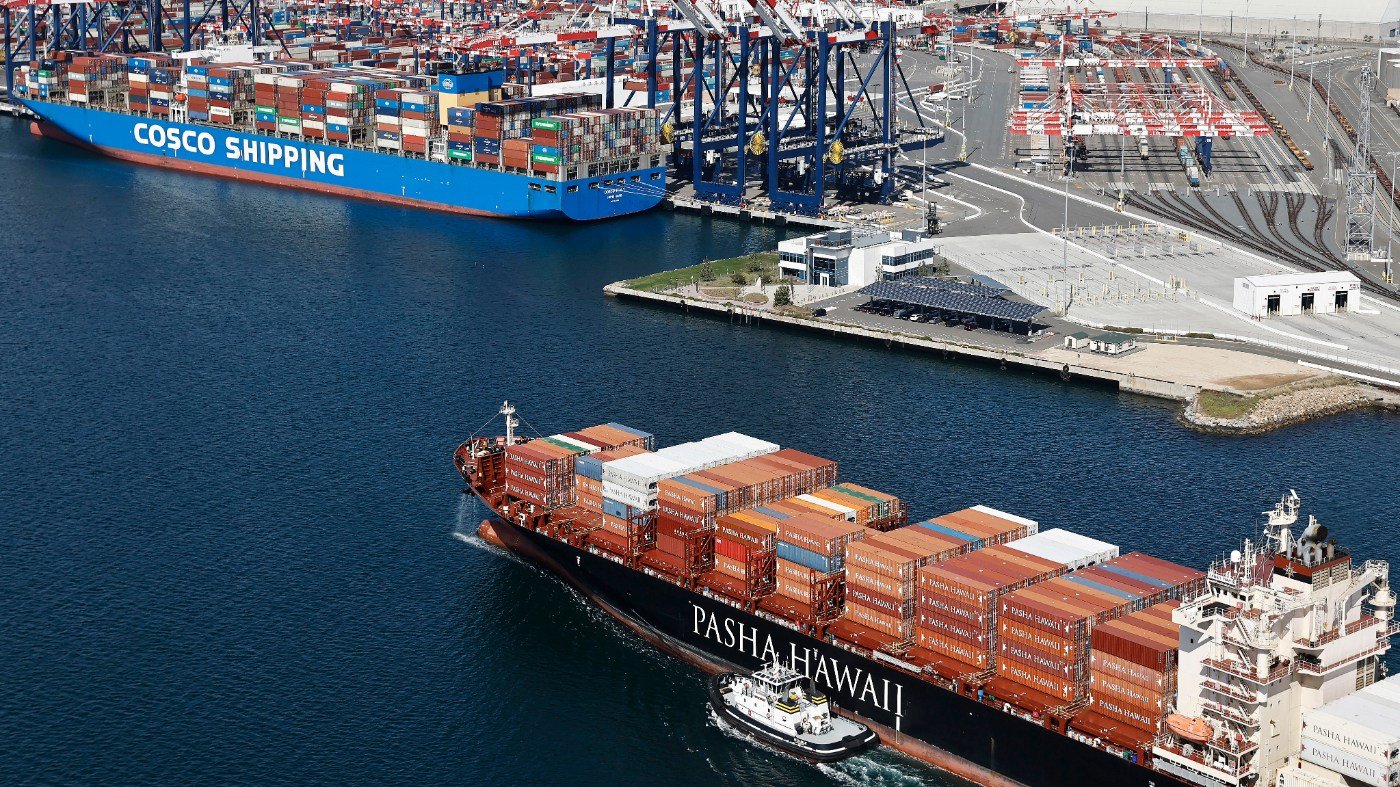
The IAEA's inability to inspect Iran's nuclear facilities underscores the broader geopolitical stakes. Iran continues to hold the Strait of Hormuz, a critical chokepoint for global oil, gas, and fertilizer shipments, while the U.S. maintains its blockade of Iranian ports. Global fuel prices remain elevated as the conflict's ripple effects extend far beyond the region.
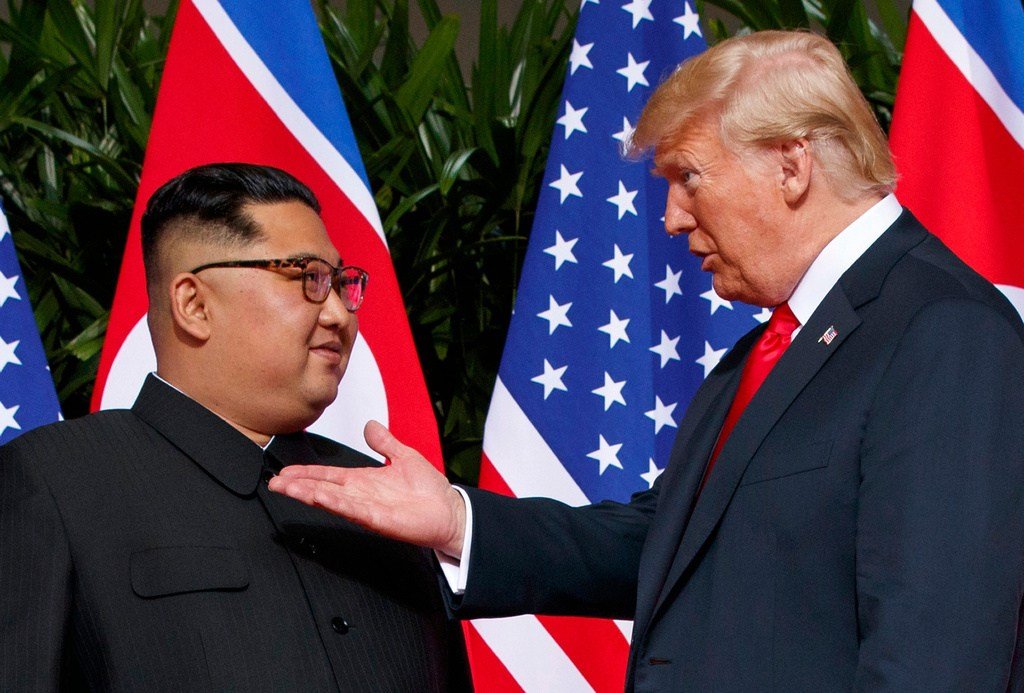
The report arrives as international negotiators face mounting pressure. Recent reports indicate the U.S. and Iran are nearing a nuclear deal, but key enrichment issues remain unresolved. Meanwhile, Trump's Iran strategy appears to be unraveling, with the nuclear threat looming larger as talks stall.
Iran maintains its nuclear program is peaceful, but the IAEA's inability to verify that claim—combined with Tehran's growing stockpile of near-weapons-grade material—has heightened alarm among nonproliferation experts and regional allies. The agency's warning that it cannot fulfill its safeguards duties leaves a dangerous gap in global monitoring of Iran's nuclear ambitions.