In a dramatic early-morning vote, six Republican senators broke ranks with their party to side with Democrats in blocking a procedural motion to extend warrantless surveillance powers under Section 702 of the Foreign Intelligence Surveillance Act (FISA), which is set to expire next week. The motion failed 47-52, dealing a significant blow to leadership efforts to reauthorize the controversial program before the June 12 deadline.
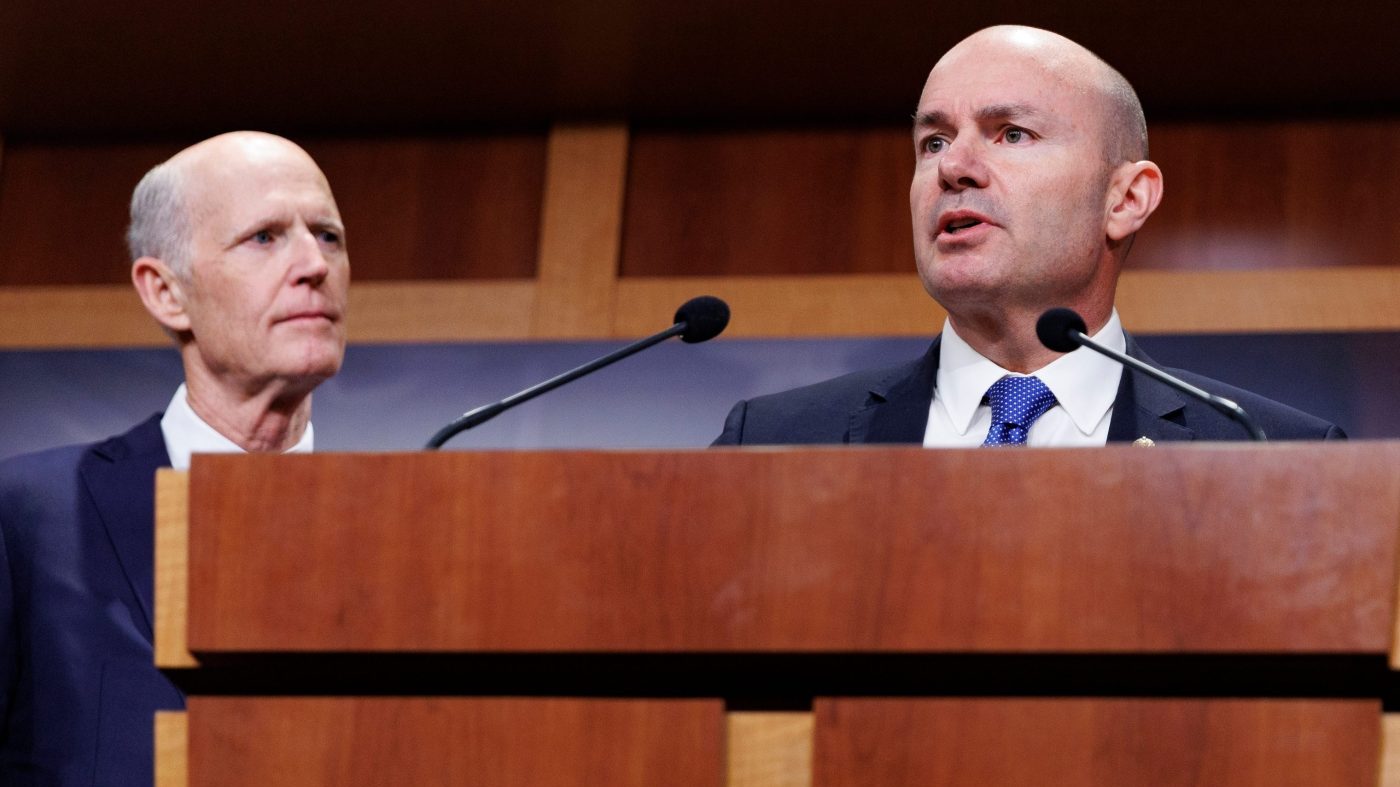
The defectors—Sens. Josh Hawley (R-Mo.), Mike Lee (R-Utah), Rand Paul (R-Ky.), Eric Schmitt (R-Mo.), Rick Scott (R-Fla.), and Tommy Tuberville (R-Ala.)—joined nearly all Democrats in opposing the measure. Every Senate Democrat except Sen. John Fetterman (D-Pa.) voted against the motion, citing deep concerns over President Trump's appointment of Federal Housing Finance Agency chief Bill Pulte as acting director of national intelligence.
Privacy vs. Power
Sen. Mike Lee dismissed speculation that anger over Pulte's appointment drove the Republican defections. Instead, he pointed to core privacy objections. “FISA 702 reauthorization failed because it did not contain a warrant requirement for spying on Americans,” Lee wrote on X. “The people who spied on [President Trump's] campaign, Members of Congress, and countless other Americans hate the idea.” He added, “Come back with warrant requirement, and we'll pass the bill.”
This stance echoes a broader bipartisan push to add a warrant requirement for queries targeting U.S. persons, a reform that has repeatedly stalled in past debates. The six GOP holdouts have long been vocal critics of the program's potential for abuse, and their unity on this vote underscores the deep skepticism even within the president's own party.
Pulte Appointment Ignites Bipartisan Fury
Trump's decision to tap Pulte to replace outgoing DNI Tulsi Gabbard triggered a firestorm on Capitol Hill. Sen. Mark Warner (D-Va.), vice chair of the Senate Intelligence Committee, said Democrats could not back extending surveillance authorities with Pulte in charge, warning he would have access to sensitive intelligence that could be weaponized against political opponents. “I thought I had gotten to the stage where I could no longer be shocked by Donald Trump's choices, but this may be the most outrageous of all,” Warner told MS NOW.
Pulte has previously used his FHFA position to dig up mortgage records for criminal probes into Trump's political enemies, including New York Attorney General Letitia James, Sen. Adam Schiff (D-Calif.), and Federal Reserve governor Lisa Cook. The move has fueled accusations that Trump is installing a loyalist to oversee the intelligence community, a concern that has also prompted three GOP senators to back a Democratic bid to block Pulte from holding the dual intel role.
What's Next for FISA?
The failed procedural vote leaves the future of Section 702 in limbo. The program, which allows intelligence agencies to collect foreign communications without a warrant, is widely used by national security officials but has drawn criticism from both civil libertarians and Trump allies over past abuses. Lawmakers now face a tight window to negotiate a compromise before the authorization lapses.
Senate Majority Leader John Thune (R-S.D.) indicated he would continue to push for a reauthorization bill, but the defections signal that any deal will require significant concessions on privacy protections. The episode also highlights the growing friction between Trump's personnel moves and legislative priorities, as Senate Democrats have explicitly tied their opposition to Pulte's appointment.
With the clock ticking, the standoff sets the stage for a high-stakes negotiation that will test whether Congress can balance national security demands with the growing appetite for surveillance reform on both sides of the aisle.