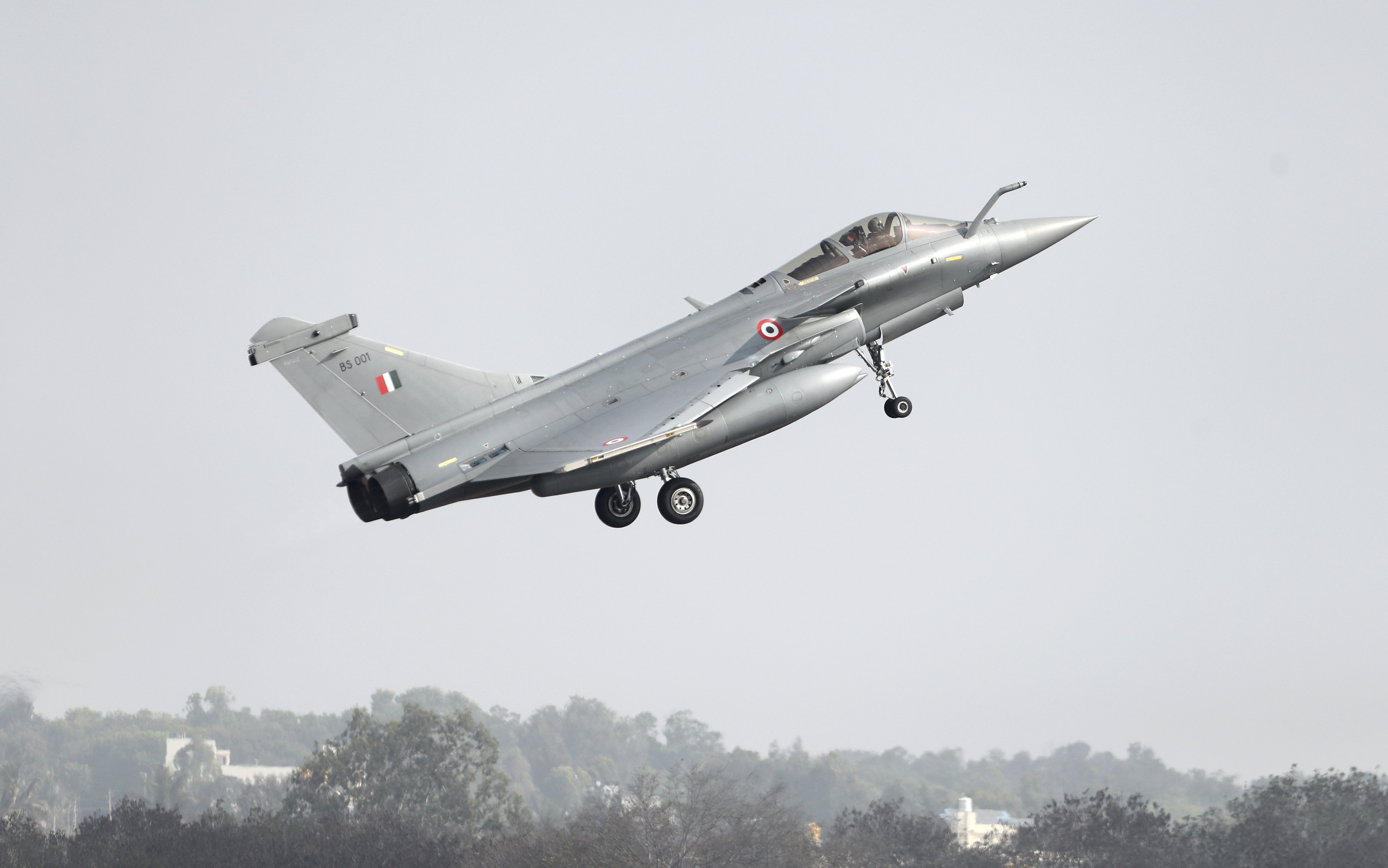
The North American Aerospace Defense Command scrambled fighter jets on Sunday to intercept multiple general aviation aircraft that violated temporarily restricted airspace over Bedminster and East Rutherford, New Jersey, during the World Cup Final at MetLife Stadium.
NORAD reported that more than ten civilian planes entered the no-fly zone, with three requiring direct intervention by fighter aircraft. In two of those intercepts, NORAD deployed flares to alert the pilots. The command emphasized that the flares “burn out quickly and completely, and pose no danger to people on the ground.”
The airspace restrictions were in place during the championship match, which drew international leaders and celebrities. President Trump, Mexican President Claudia Sheinbaum, and Canadian Prime Minister Mark Carney attended the game. The three leaders briefly walked onto the field together and held sideline discussions on global matters. Spain defeated Argentina 1-0.
Neither the Federal Aviation Administration nor NORAD offered a specific rationale for the flight restrictions, but such measures are standard for large events involving sitting heads of state. The incident echoes a similar intercept in March near Trump’s Mar-a-Lago resort in Florida, where fighter jets also intercepted an unauthorized aircraft.
In a statement issued Friday on X, NORAD urged pilots to “know the airspace. Fly responsibly. Airspace awareness is a shared responsibility.” The command reminded aviators to check for temporary flight restrictions before takeoff.
The intercepts come amid heightened security concerns for U.S. leaders. Earlier this year, Trump switched planes in the UK amid reported threats from Iran, and joked about assassination attempts. Separately, the Pentagon awarded Lockheed Martin $35 billion to replenish THAAD interceptors following the Iran war, underscoring the ongoing focus on defense readiness.
While no injuries or damage were reported from Sunday’s intercepts, the frequency of airspace violations near high-profile events has drawn attention from security officials. The incident over New Jersey serves as a fresh reminder of the challenges in securing airspace during major gatherings.