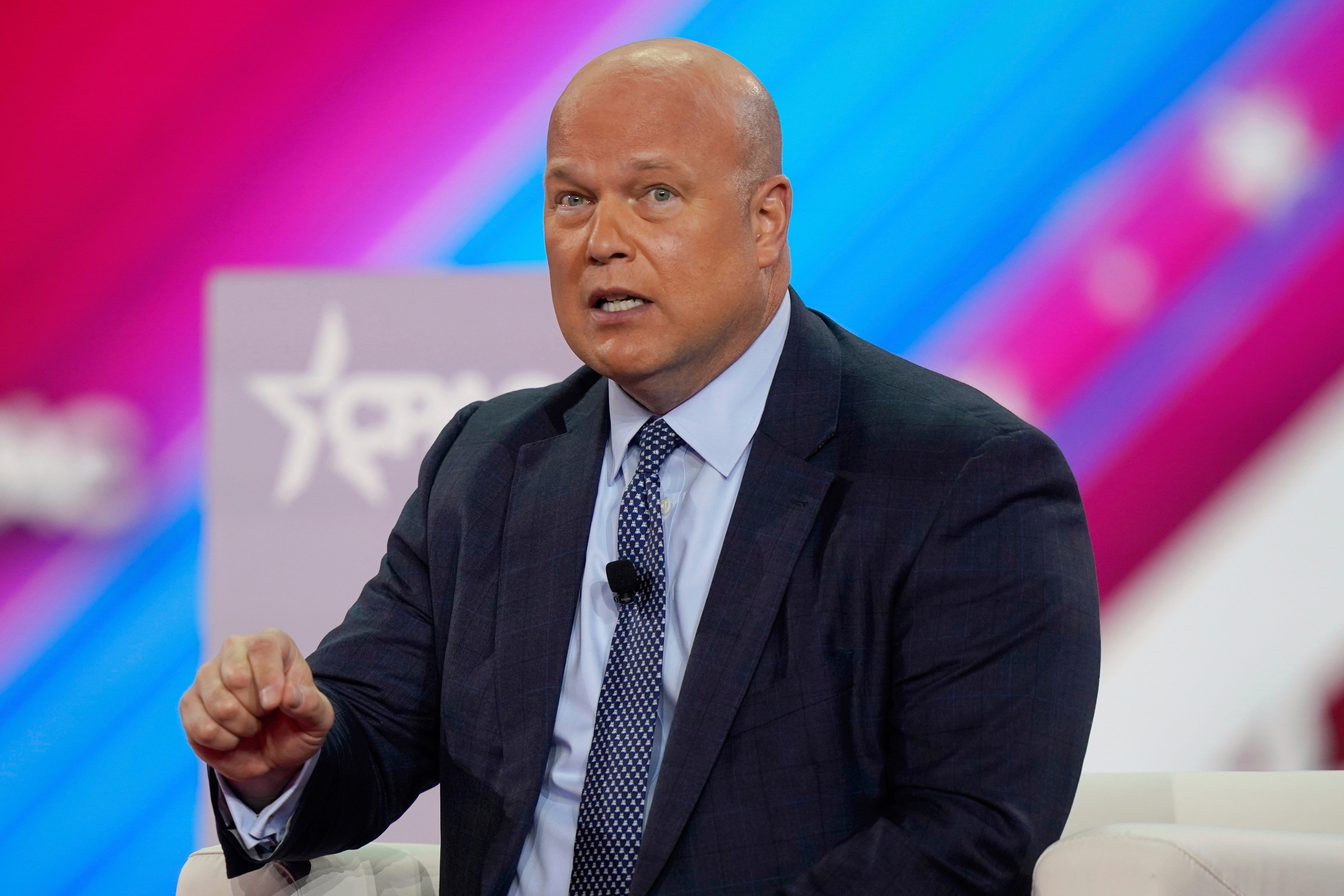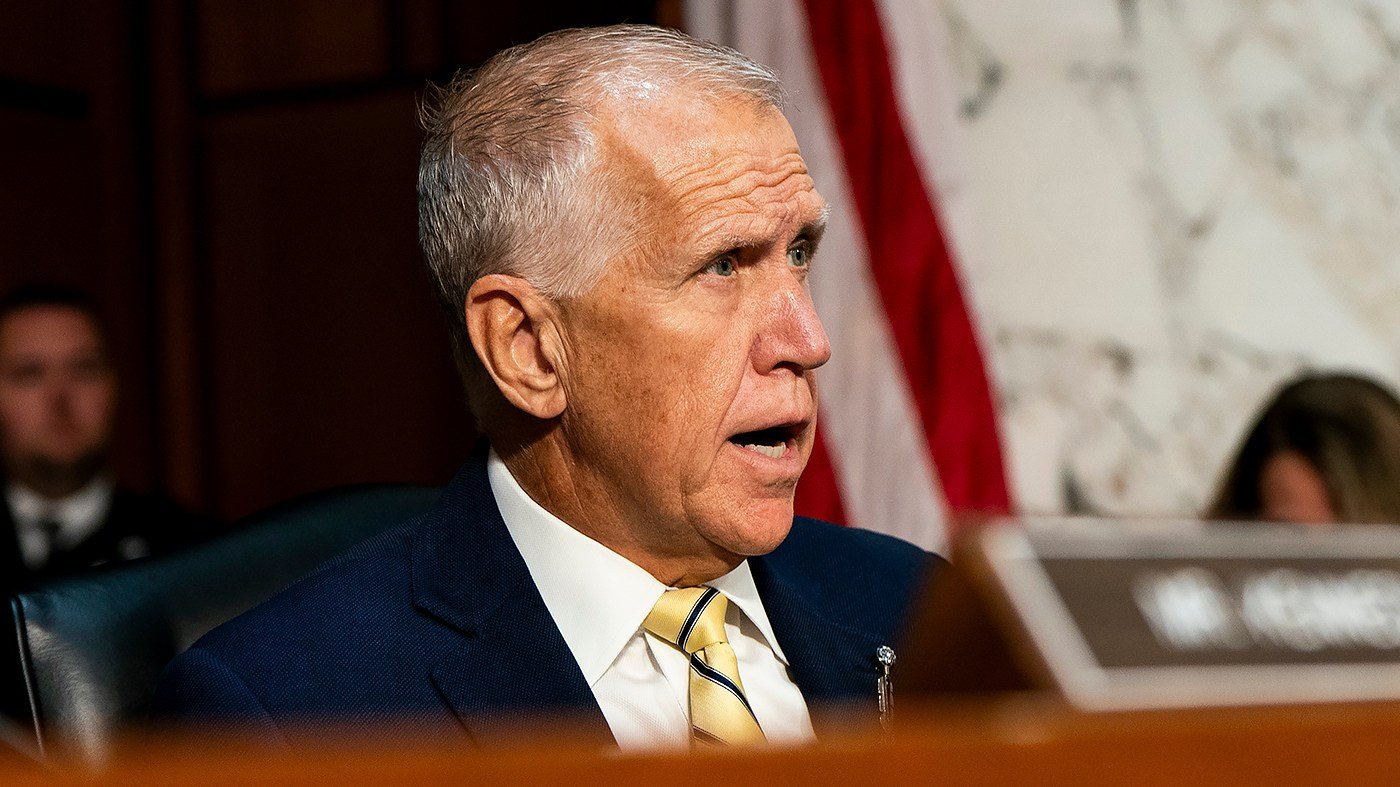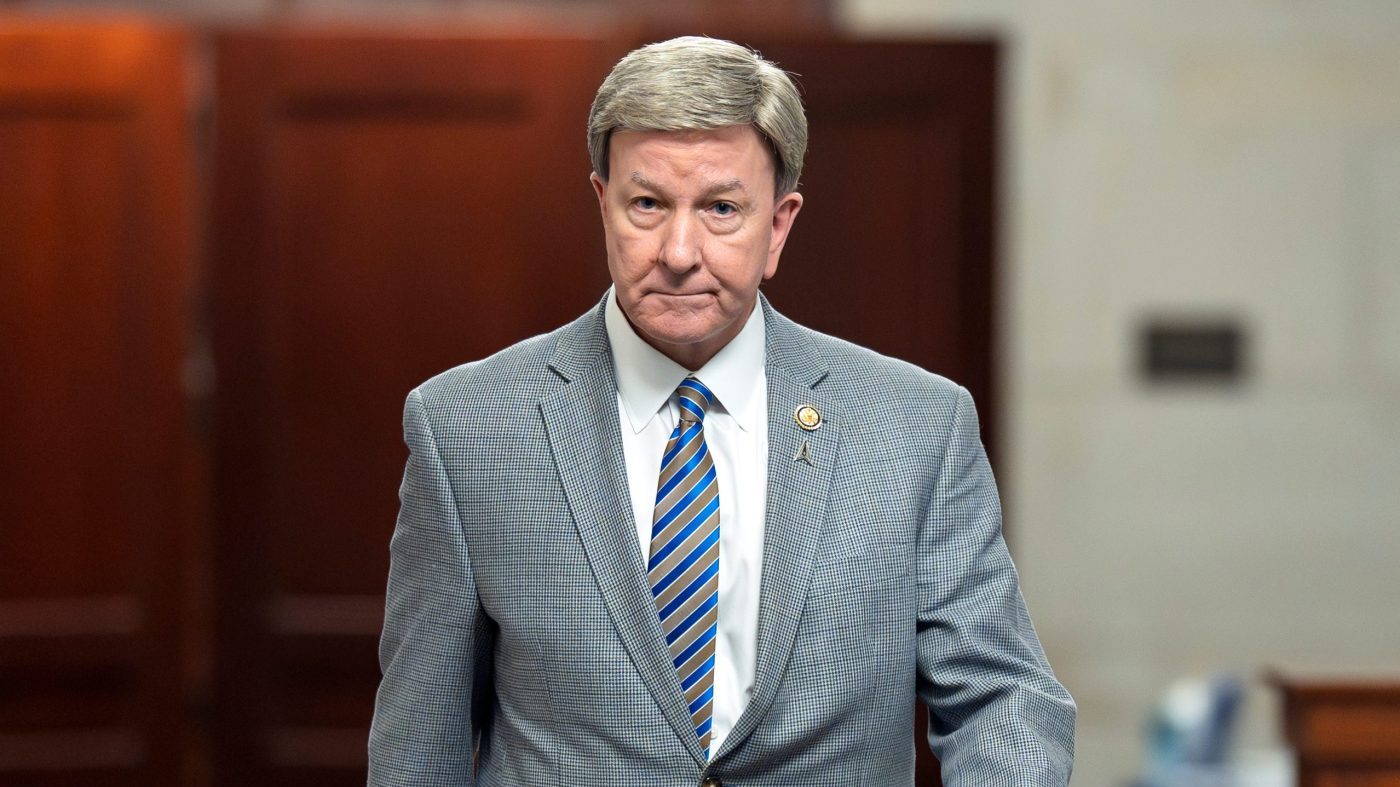
The House Armed Services Committee (HASC) late Thursday approved the annual defense policy bill, advancing a nearly $1.15 trillion measure to the full House after a marathon 14-hour session that saw lawmakers debate a fraction of the roughly 900 amendments filed.
The fiscal 2027 National Defense Authorization Act (NDAA) passed the panel by a 44-12 vote, with the final gavel falling at midnight. All Republicans and nearly half of the committee's Democrats backed the bill, a notably smaller Democratic coalition than usual on a panel that historically sees near-unanimous support for the measure as it heads to the floor.
Before the final vote, the committee gave a standing ovation to Chair Rep. Mike Rogers (R-Ala.), who oversaw his last NDAA markup as panel head. “It’s not easy getting me choked up,” Rogers said.
Key Amendments Adopted
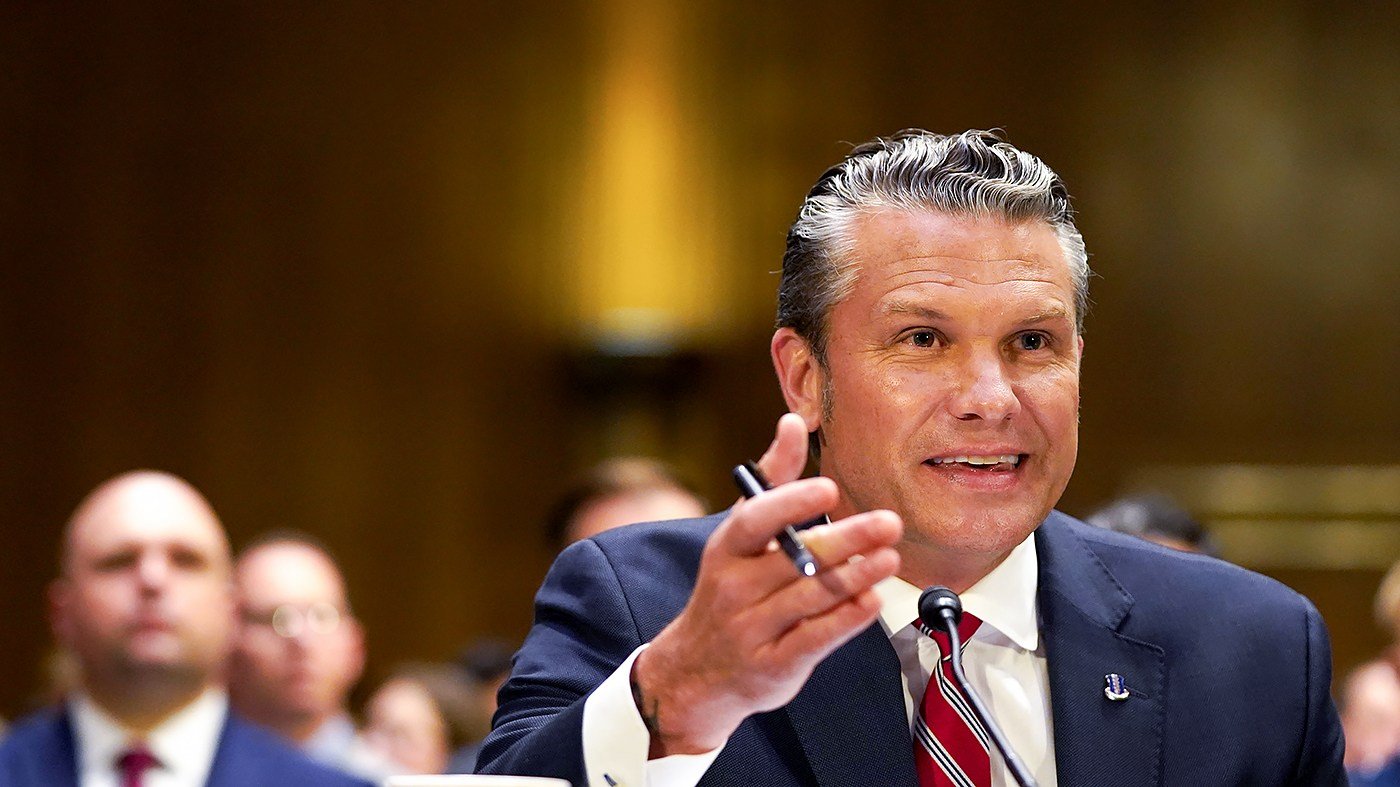
Among the adopted provisions was a bipartisan measure from Rep. Pat Ryan (D-N.Y.) requiring the Pentagon to notify Congress within five days when senior military officers are fired or dismissed. The amendment passed by voice vote without objection, reflecting bipartisan concern over Defense Secretary Pete Hegseth’s firing of two dozen senior officers since taking office. Ryan also secured approval for a separate amendment requiring Hegseth to provide the committee with the official investigation into the March 1 attack on Port Shuaiba, Kuwait, which killed six U.S. service members, along with a briefing on the incident.
In a surprise 29-27 vote, the panel adopted an amendment from Rep. Ronny Jackson (R-Texas) to formally rename the Department of Defense to the Department of War, a move favored by the Trump administration and used by Hegseth and most GOP lawmakers.
Rep. Marilyn Strickland (D-Wash.) won approval for her amendment to rename military bases that were originally named after Confederate generals, later changed to honor other service members, and then reverted under Trump’s second term to the same Confederate names but attributed to different soldiers with the same last name.
Right-to-Repair and Industry Pushback
The panel also adopted a bipartisan right-to-repair amendment from Reps. Maggie Goodlander (D-N.H.) and Pat Harrigan (R-N.C.), requiring contractors to provide access to data and parts for repairing military equipment. “This is a common-sense requirement,” Goodlander said, arguing it would cut red tape and close loopholes. Rogers opposed the measure, warning it would “force companies to choose between protecting their IP and doing business with the Department of Defense.” The amendment, which has Senate support, represents a blow to major defense contractors.
Failed Democratic Amendments
Democrats pushed several amendments to reduce the NDAA’s top-line spending, cut funding for Trump-class battleships, protest potential military action against Iran, and ban cluster munitions transfers, but all were defeated by Republican defense hawks. Rep. Seth Moulton (D-Mass.) proposed cutting $150 billion from the bill’s top line, saying, “I just don’t trust this administration to use this historic budget appropriately.” Rep. Adam Smith (D-Wash.) sought to remove nearly $2 billion earmarked for Trump-class battleships, which Moulton called “the most expensive sitting duck in world history.” Both amendments failed.
Smith’s provision requiring quarterly Pentagon reports on munitions inventories was adopted via en bloc. Strickland’s amendment to block the defense secretary from removing names from officer promotion lists was defeated 26-30, with Reps. Don Davis (D-N.C.) and Jared Golden (D-Maine) siding with Republicans. Ryan’s proposal to bar additional funding for military operations against Iran also failed 26-30.
Press and Editorial Independence
Republicans voted down multiple amendments protecting the editorial independence of the Stars and Stripes military newspaper, which faces new restrictions under the Trump administration. A provision from Rep. Sara Jacobs (D-Calif.) to shield the newspaper from Pentagon interference was rejected 25-29.
The bill now heads to the full House, where further amendments are expected. The debate highlighted deepening partisan divides over defense spending and military policy, even as the committee managed to advance the massive spending package.