Two competing priorities are straining NASA's Artemis program: building a permanent lunar base and beating China to the moon. The human landing systems from SpaceX and Blue Origin, both under development, may not be ready in time for a 2028 landing, according to former NASA Administrator Jim Bridenstine.
Speaking on a recent podcast, Bridenstine, now CEO of Quantum Space, described both the SpaceX Starship and Blue Origin's Blue Moon lander as “extraordinarily complicated.” He contrasted them with the Apollo-era lunar module, which he called “as simple as you could possibly make it.” The implication was clear: neither vehicle is likely to meet the 2028 deadline.
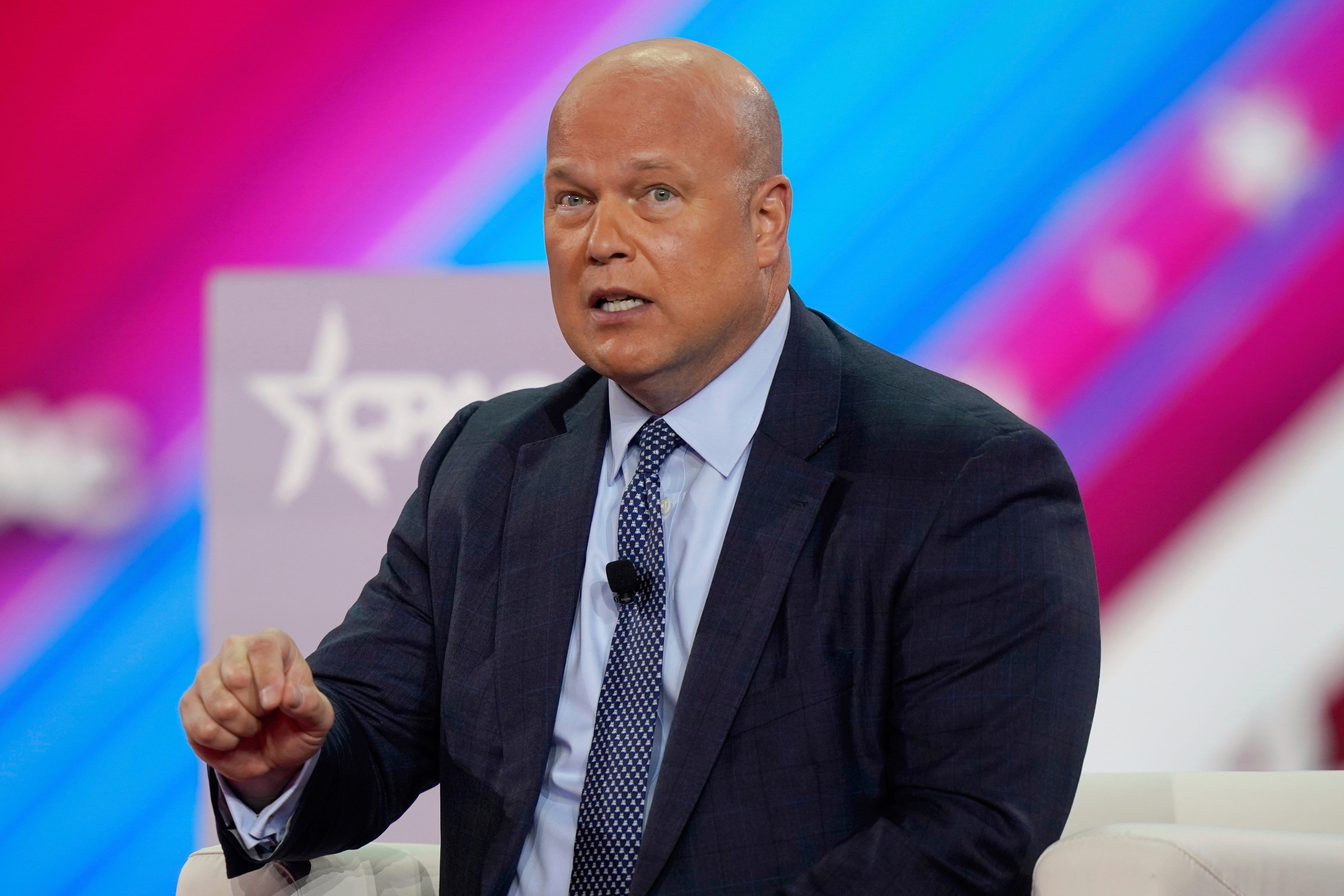
Current NASA Administrator Jared Isaacman struck a more optimistic tone during an appearance on CBS's “Face the Nation.” Instead of addressing Bridenstine's concerns directly, he framed the challenge in geopolitical terms. “The Chinese will land their taikonauts on the moon,” Isaacman said. “The question is, will the United States return before them, and will we do so in a different way this time, when we build a base, establish that enduring presence? I think the answer is yes.”
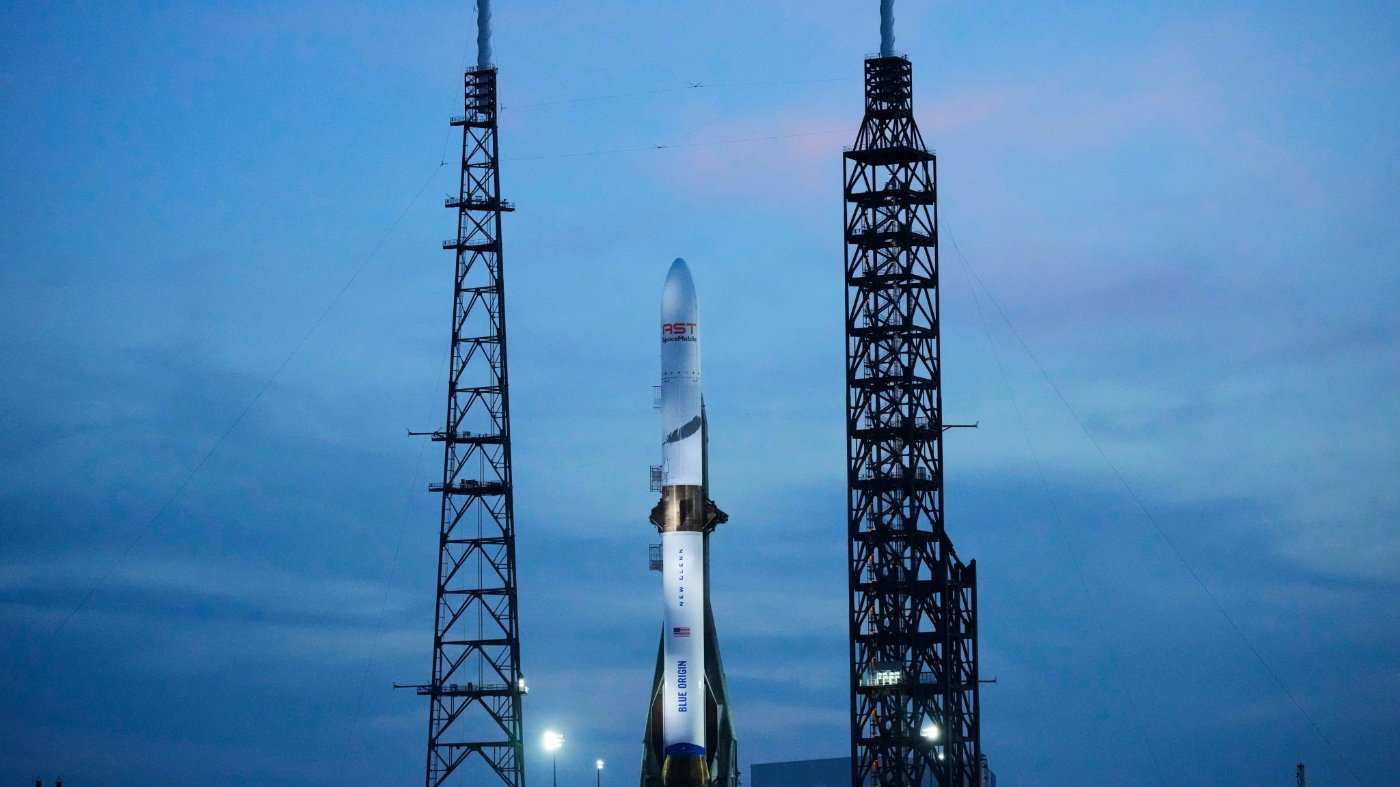
Bridenstine is correct that the Apollo approach was simple: a single Saturn V launch carried the command module and lunar lander to the moon. The Artemis approach is far more complex. SpaceX's Starship Human Landing System will require at least 15 launches — one for a fuel depot, 13 tanker flights to fill it, and one for the lander to refuel before heading to the moon. Blue Origin's Blue Moon MK2 is less demanding, needing three New Glenn launches: the lander and two transfer stages.
Both systems demand a near-daily launch cadence for Starship and New Glenn, a tempo only SpaceX has achieved with its Falcon 9. Starship's sheer size — the largest object ever launched into space — adds to the challenge. Blue Origin faces its own hurdle: a recent accident that nearly destroyed its launch pad, with a replacement expected by the end of 2026.
The core tension, as Bridenstine hinted, is that NASA has been given two potentially conflicting tasks. One is to build a lunar base capable of handling large landers like Starship and Blue Moon, which can move significant cargo and crew. The other is to beat China back to the moon — a goal that might be better served by a smaller, simpler lander akin to the Apollo module. But no such vehicle exists, and NASA is betting its large, complex systems can do both.
China has vowed to land its taikonauts on the moon by 2030. If NASA and its partners can achieve a crewed landing by the scheduled 2028 date, they will win the second moon race, as they did the first. But the timeline is tight: SpaceX and Blue Origin have just over two years to develop, test in low Earth orbit during Artemis III, conduct uncrewed lunar landing tests, and be operational by Artemis IV — all in the waning days of the Trump presidency.
Delays are possible on both sides. China could face setbacks, and even if Artemis IV slips, the U.S. and its allies could still prevail. As with any space race, the outcome is unpredictable — and that is what makes it compelling.