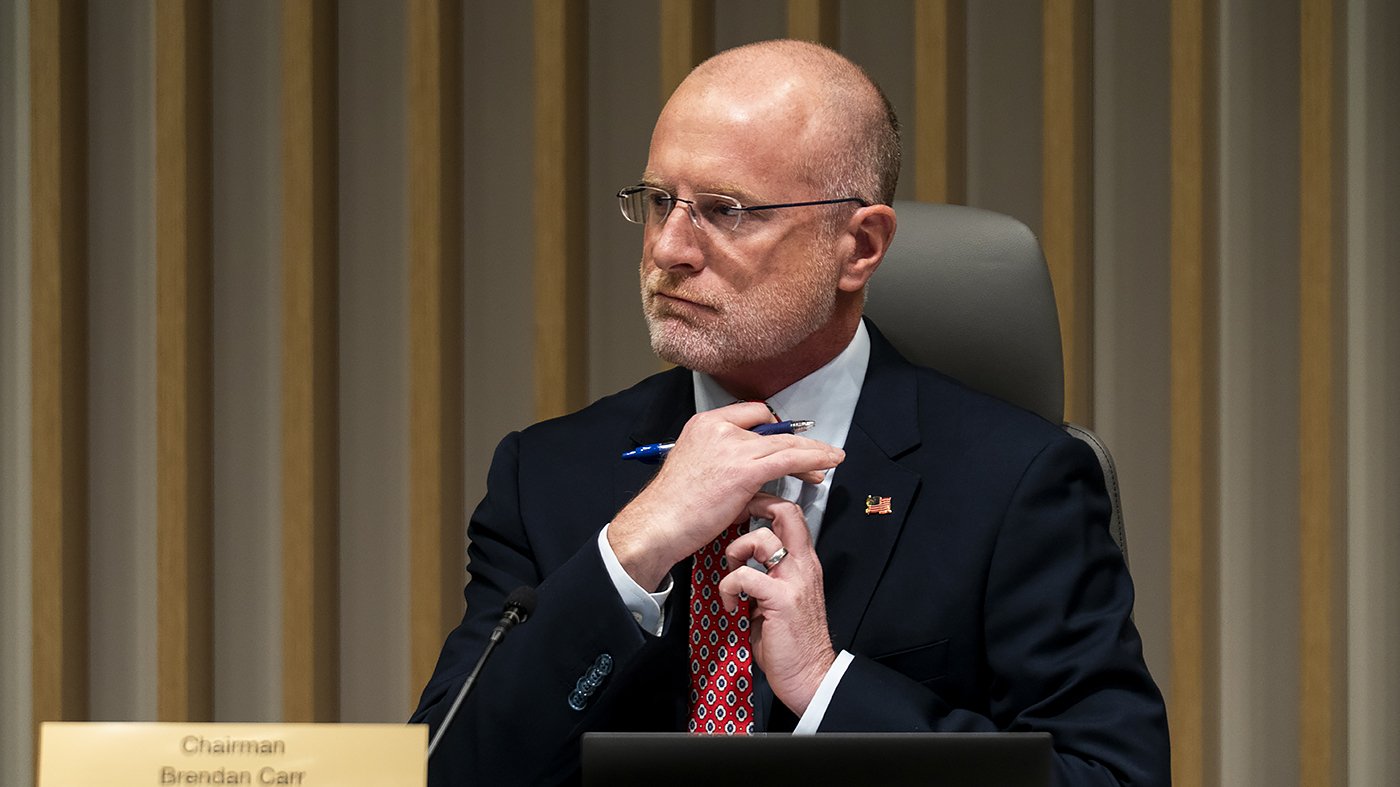
The Federal Communications Commission is moving to overhaul a $3 billion annual program that provides internet subsidies to schools and libraries, with FCC Chair Brendan Carr pointing to mounting evidence that excessive screen time is harming children's mental health and reading skills.
In an interview with Fox News on Wednesday, Carr announced a comprehensive review of the E-Rate program, which has been funding school and library internet connectivity for nearly three decades. The commission will release a formal proposal later this week, setting the stage for what could be a significant shift in how digital tools are deployed in classrooms.
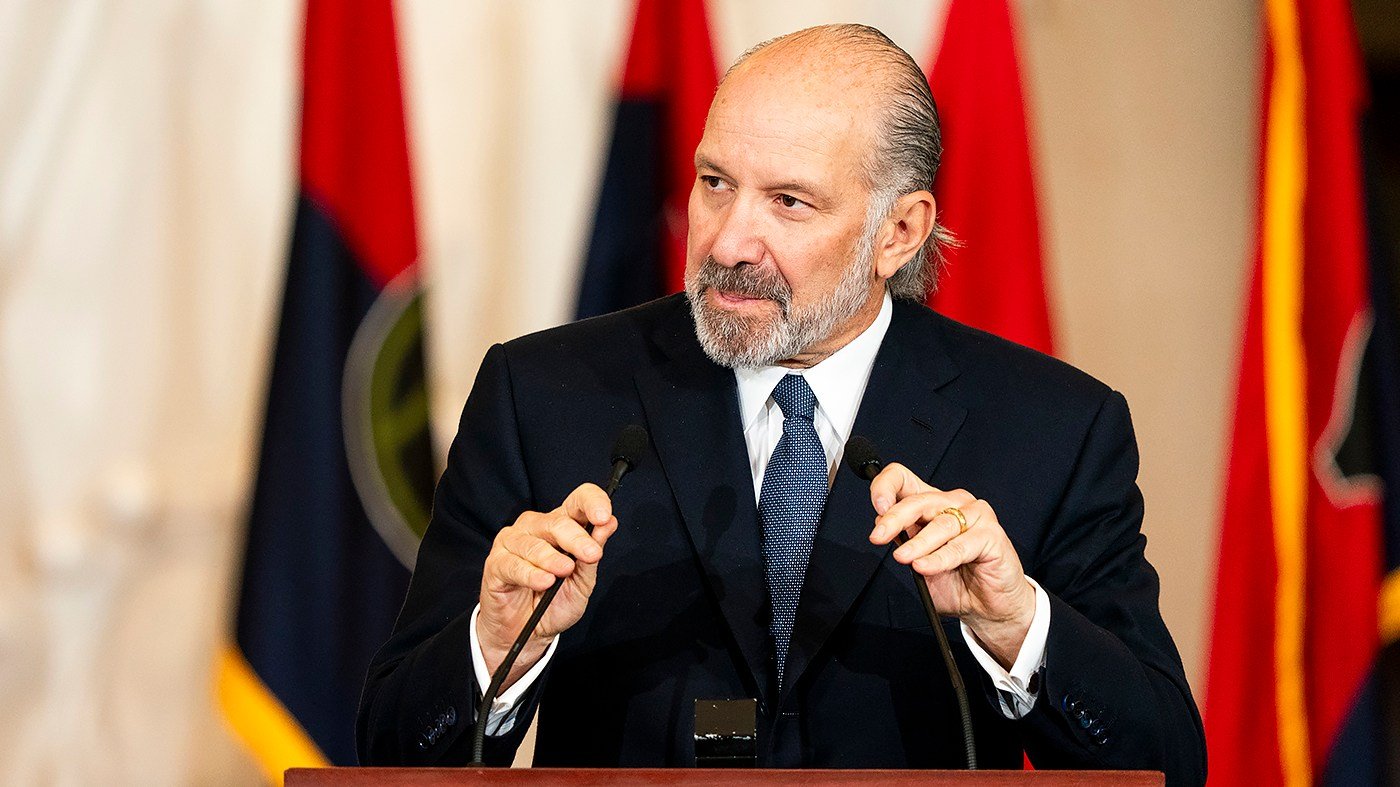
“Screen time use inside of schools has surged through the roof,” Carr said. “We want to take a fresh look at that program to make sure we’re supporting great educational outcomes.”
The review is part of a broader push by the Trump administration to empower parents and school districts to make informed decisions about children's technology use. Health officials in the administration have repeatedly warned about the dangers of excessive screen exposure, particularly for young students. Carr specifically cited research linking heavy screen use to declines in mental well-being and reading comprehension.
Key questions the FCC will examine include whether parents are fully aware of how much their children are using internet-connected devices at school, and whether adequate safety filters are in place. Carr also raised the issue of whether the program’s current structure truly benefits educational outcomes or simply drives up screen time without clear pedagogical gains.
The agency is now seeking public comment on the legal and policy dimensions of children’s screen time in educational settings. Commissioners are scheduled to hold an initial vote on the measure on June 25. If approved, the review could lead to new restrictions or conditions on how schools and libraries use E-Rate funds.
The announcement comes amid a wider debate over the role of technology in education. Critics of the program argue that it has encouraged schools to adopt digital curricula without sufficient evidence of benefit, while supporters contend that internet access is essential for modern learning and equity.
This is not the first time the FCC has revisited the E-Rate program. However, the current review is notable for its explicit focus on health concerns, marking a departure from previous debates that centered on cost and infrastructure. The commission’s move aligns with growing bipartisan scrutiny of screen time, though some education advocates worry it could lead to cuts that disproportionately affect low-income districts.
For context, the Trump administration has also taken steps to reshape federal workforce policies and judicial oversight. In a related development, Trump signed an order to reclassify thousands of federal policy workers as at-will employees, a move that could make it easier to remove career officials. Meanwhile, a federal judge blocked the administration's attempt to dismantle a Colorado climate lab, highlighting ongoing tensions between the executive branch and the courts.
The FCC’s review of the E-Rate program is expected to draw sharp reactions from both tech companies and educational groups. Carr emphasized that the goal is not to eliminate connectivity but to ensure it serves students’ best interests. “Are the right types of safety filters in place?” he asked. “Are parents really empowered?”