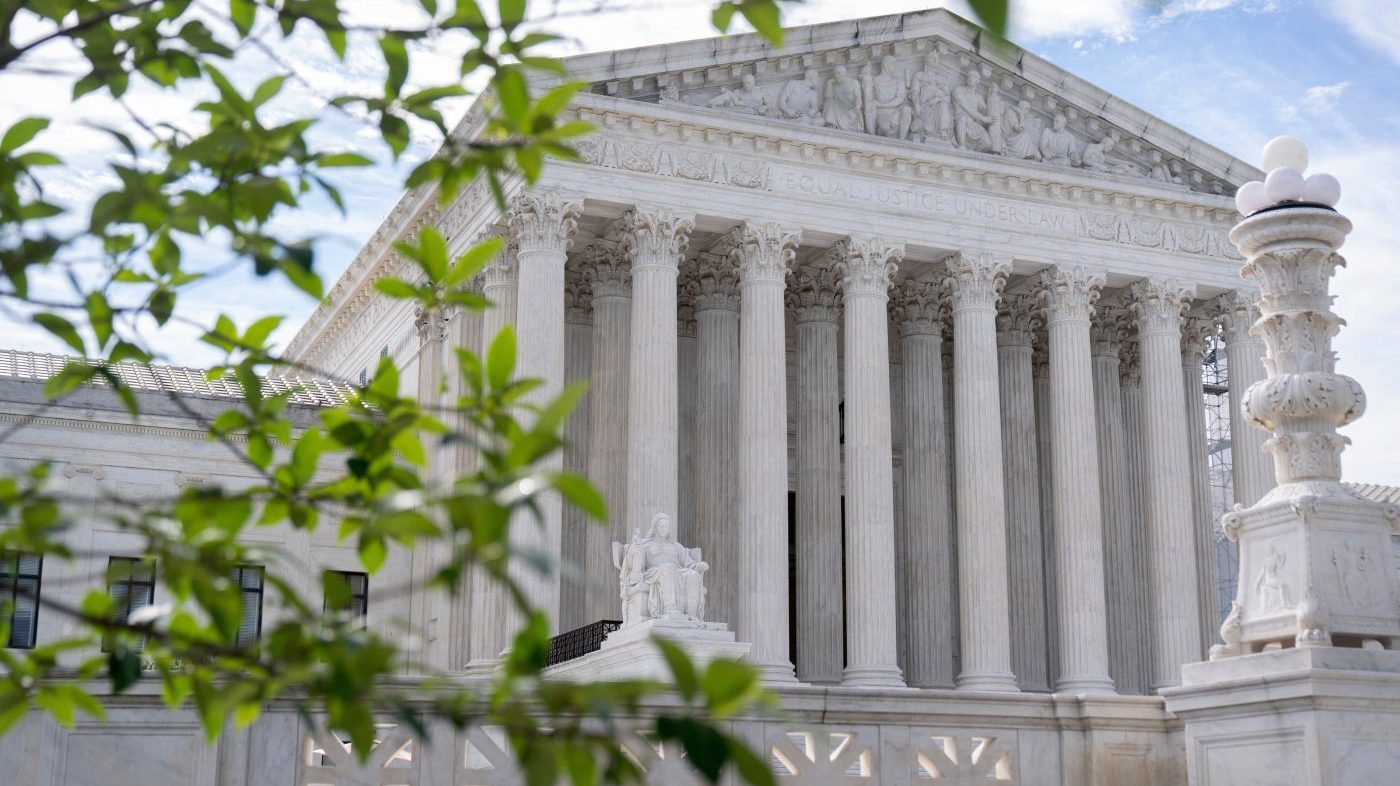
The Supreme Court faces another profound breach of its confidential proceedings as internal memos from 2016 detailing deliberations on major cases have been published, exposing the secretive mechanics of its emergency actions and fueling a political firestorm over the institution's integrity.
Exposing the 'Shadow Docket'
The leaked documents, obtained by The New York Times, provide a rare window into the justices' private discussions that led to the court blocking the Obama administration's Clean Power Plan. More significantly, they reveal the court's internal re-evaluation of its emergency docket—a process critics label the 'shadow docket'—which allows for consequential rulings with minimal public briefing and no oral arguments. This mechanism has since delivered approximately two dozen legal victories to former President Donald Trump since his return to office, drawing sharp criticism from some justices themselves.
University of Chicago law professor William Baude, who coined the term 'shadow docket,' argues the leak itself constitutes the real scandal. "Supreme Court leaks like these—including copies of confidential work product—are becoming more common," Baude wrote. "In my view, this is a bad thing. It will damage the institutional culture of the Court and do little good."
A Pattern of Breaches
This incident is not isolated. It surfaces nearly four years after the seismic leak of the draft opinion that would overturn constitutional abortion protections, an event that prompted a months-long, ultimately inconclusive investigation. That probe, led by Marshal Gail Curley and former Homeland Security Secretary Michael Chertoff, involved interviews with 97 court personnel and searches of electronic devices but failed to identify a culprit. The cumulative effect of these breaches is a severe erosion of internal trust. Justice Clarence Thomas, reflecting on the earlier leak, stated, "When you lose that trust, especially in the institution that I'm in, it changes the institution fundamentally. You begin to look over your shoulder."
The latest disclosure has ignited immediate political backlash. At a Senate Judiciary Committee hearing, Sen. Josh Hawley (R-Mo.), a former clerk for Chief Justice John Roberts, labeled the leaks a "coordinated attack" by the left aimed at "destroy[ing] the independence of the Supreme Court." Fellow committee member Sen. Mike Lee (R-Utah) has joined calls for an investigation, though the Court's spokeswoman has not commented on whether one will be opened.
Institutional Fallout and a Chilling Effect
Legal experts warn the leaks may inflict lasting damage on the Court's deliberative process. Jonathan Adler, a law professor at William & Mary, suggested justices may become less willing to commit candid thoughts to writing. "If I am right, this could have the inevitable (and perhaps undesirable) effect of more decisions in which the justices divide along predictable ideological lines," Adler wrote. He further argued that leakers opposed to the Court's current orientation might inadvertently push it further in that direction.
The controversy unfolds as the Court prepares to hear other high-stakes cases, including a Colorado dispute that could significantly expand religious liberty protections. Simultaneously, political speculation swirls around the bench's composition, with Republicans closely monitoring the potential retirement of Justice Samuel Alito, which could reshape the battle for Senate control.
Beyond the marble walls, the Court's rulings continue to trigger major policy shifts. For instance, a recent decision paved the way for the launch of a $166 billion tariff refund portal by the U.S. government. Meanwhile, the Court has shown deference to regulatory power in other domains, signaling support for the FCC's authority to levy heavy fines on telecom companies for mishandling user location data.
As the Supreme Court grapples with this latest crisis, the fundamental question remains whether an institution built on secrecy and trust can function effectively once that trust is broken. With no clear path to identifying the source of the leaks and a deeply polarized political environment, the damage to the Court's operational culture and public stature appears substantial and possibly permanent.