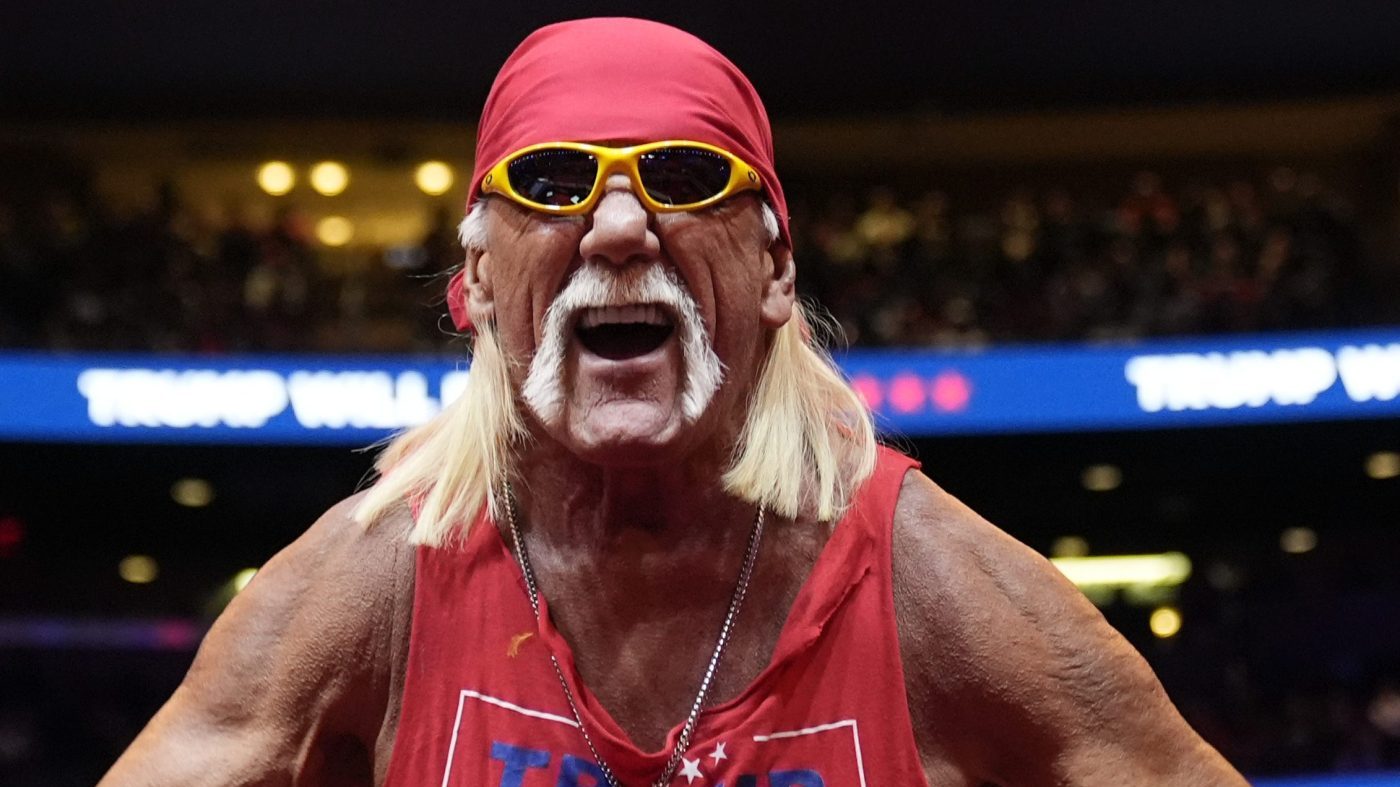
The Clearwater Police Department has wrapped up its investigation into the death of wrestling icon Hulk Hogan, officially confirming the 71-year-old died of natural causes. In a 72-page report released Friday, authorities detailed the events leading up to his July 24, 2025 death and ruled out foul play.
Hogan, whose legal name was Terry Bollea, died at Morton Plant Hospital after being found unresponsive at his home on Eldorado Avenue. Police responded to a medical call at 10:21 a.m. ET and discovered him lying on his back, pale and showing no signs of life. His home health aide, Dana Swinton, was present along with his wife Sky Daily and occupational therapist Justin McCamey.
According to the report, Hogan had been talking and eating yogurt shortly before the episode. McCamey, who had been treating Hogan for only two weeks, described the former WWE star as being in "very poor health" following multiple surgeries. The report noted Hogan had undergone roughly 20 to 30 knee, hip, and back procedures over the years, along with a spinal fusion and cardiac valve surgery in the weeks before his death. He was also battling chronic lymphocytic leukemia and receiving chemotherapy.
When Daily noticed her husband had stopped breathing, McCamey attempted to find a pulse but could not. Daily called 911, stating, "My husband, it doesn't seem like he's breathing." CPR was performed by home medical staff until first responders arrived. Hogan was pronounced dead at 11:17 p.m.
The District Six Medical Examiner's Office attributed the death to cardiac arrest, noting a history of atrial fibrillation and leukemia. A private autopsy commissioned by Daily and Hogan's son Nick concluded he died "exclusively from compelling natural disease, with no reasonable traumatic or terminal toxicologic contributions."
Clearwater police stated they had to "address, challenge or validate some of the concerns in the case" through witness interviews and video reviews. Ultimately, they found no evidence of criminal wrongdoing. The department thanked the family for their cooperation, saying, "Their willingness to allow our investigators access to very personal information, at a time when they were grieving and struggling, was extremely helpful."
The case highlights ongoing debates about transparency in celebrity deaths and the role of law enforcement in high-profile investigations. In related news, the ICE decision to stop reporting detainee deaths has drawn scrutiny, while a Florida court's forced C-section ruling raises questions about medical autonomy.