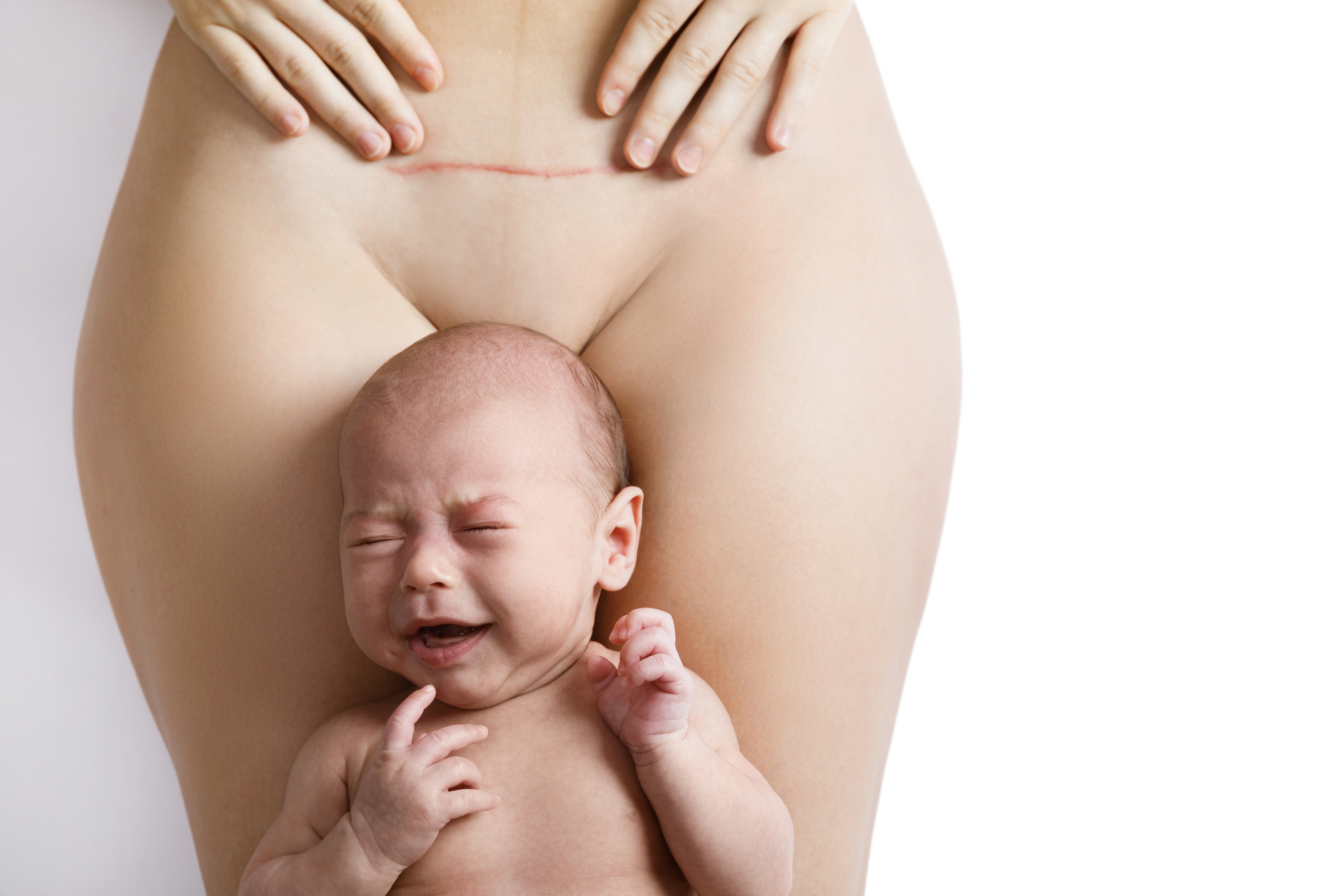
In a Florida hospital room, the line between patient autonomy and state power blurred dramatically when a judge ordered a woman to undergo a cesarean section against her will. Brianna Bennett, fully conscious and informed, had repeatedly refused the surgery, citing her own risk assessment based on prior experiences. Yet, within hours, a virtual court proceeding authorized doctors to perform major abdominal surgery on her body—a decision that legal experts say threatens the foundational principle of bodily autonomy in American law.
When Risk Becomes Coercion
Physicians warned Bennett that labor after three prior C-sections posed a risk of uterine rupture. But as she labored, both her vitals and the baby's remained stable. The disagreement was not over a clear emergency but over competing assessments of risk. In American medicine, competent adults have the right to refuse treatment, even when doctors disagree. That right, however, appears conditional when pregnancy is involved.

Bennett's refusal was not irrational. She feared another surgery would leave her unable to care for her newborn and other children. Her decision was informed by her own body and priorities—a calculation that should be protected under informed consent. Instead, the state intervened, treating her judgment as secondary to medical authority.
Due Process Under Duress
The speed of the legal process raised due process concerns. Bennett was laboring during a Zoom hearing where hospital representatives argued for the surgery. She had no meaningful chance to consult counsel or challenge evidence. As one legal observer noted, the proceeding resembled institutional coercion wrapped in procedural formality rather than a genuine opportunity to defend her rights.
This case echoes broader debates about fetal rights versus maternal autonomy. Florida officials argued that a viable unborn child has legal standing worthy of state protection. But that framework transforms a pregnant woman's autonomy into something conditional—her body becomes a vessel for state interests. The mother herself gets lost in the equation.
The Realities of Major Surgery
C-sections are often discussed casually in legal and cultural contexts, but they are major abdominal surgery with risks including hemorrhage, infection, organ injury, and chronic pain. Multiple cesareans increase future pregnancy risks like placenta accreta and uterine rupture. Yet the assumption persists that surgery is automatically the safer option once a physician recommends it. Safer for whom? That question matters.
Bennett described the aftermath as physically and psychologically devastating. She developed post-traumatic stress disorder and a severe fear of doctors requiring therapy. Survival alone is not the measure of justice. How a patient is treated—whether she is respected and heard—matters profoundly.
This incident is not an isolated case. It reflects a broader trend where medical authority and state power converge during pregnancy, eroding informed consent. For anyone who believes bodily autonomy remains a meaningful legal right in America, this story should be a warning.