Republicans See Judicial Vacancy as Potential Electoral Catalyst
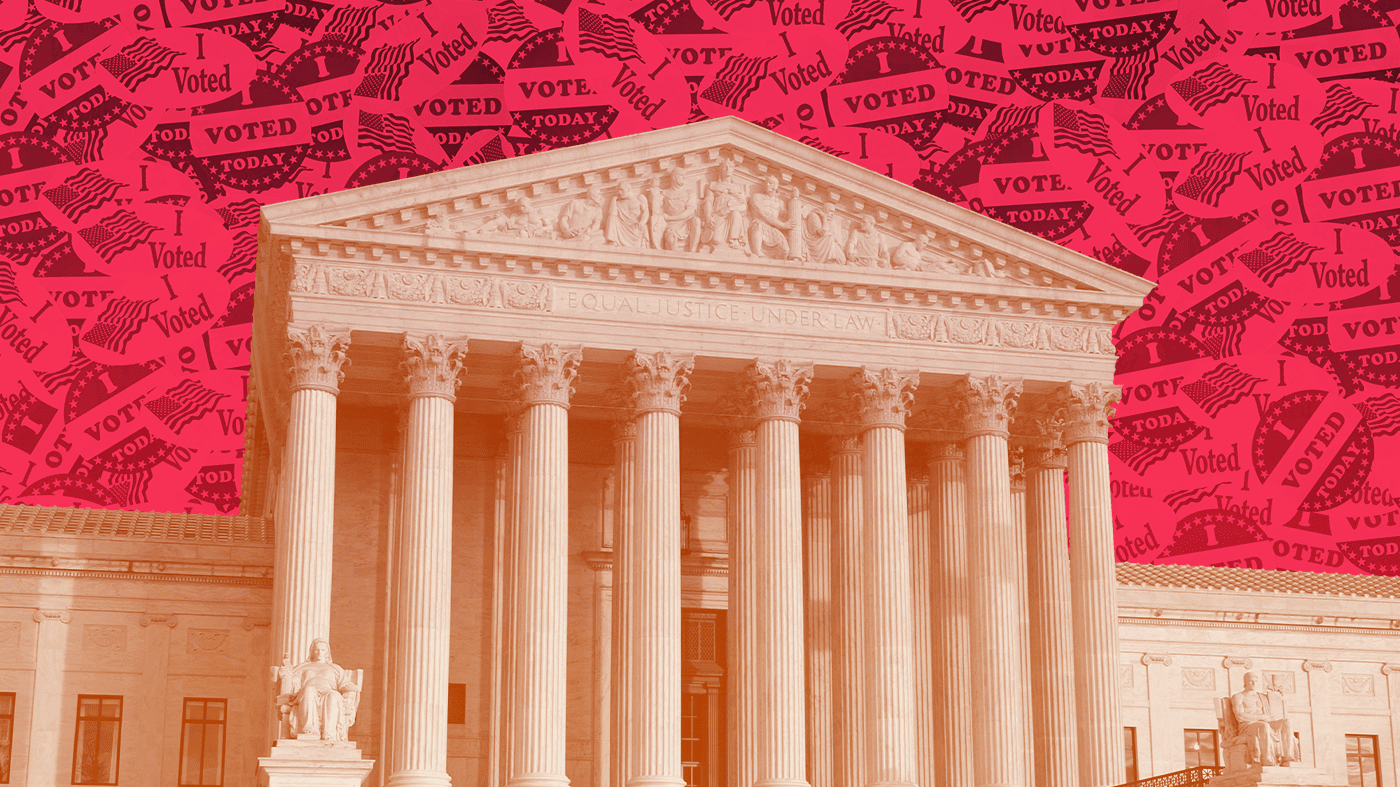
With their three-seat Senate majority facing significant jeopardy in the November elections, Republican lawmakers are privately viewing the potential retirement of conservative Justice Samuel Alito as a pivotal opportunity to shift the political landscape. Senior GOP figures describe such a development as a potential 'October surprise' capable of mobilizing the party's base and altering the trajectory of key races.
While publicly careful not to pressure the 76-year-old justice, multiple Republican senators and aides acknowledge that a confirmation battle in the fall could replicate the energizing effect of the bitter fight over Justice Brett Kavanaugh's nomination in 2018. That clash is credited with helping Republicans gain two Senate seats during a midterm cycle where they lost control of the House.
Historical Precedents and Current Calculations
"If we did have a Supreme Court vacancy obviously that would be a galvanizing issue for Republicans," said Senator John Cornyn, a Texas Republican facing reelection. Cornyn, a senior Judiciary Committee member, emphasized that any vacancy would depend solely on a justice's personal decision, noting "I don't give Supreme Court justices advice." The sentiment reflects a broader strategic calculation within the conference.
Republican strategists argue a pre-election nomination fight would dramatically refocus the political agenda. "It would have the whole agenda change," said GOP strategist Brian Darling, a former Senate aide. "It may motivate MAGA voters to get reengaged and show up to vote." This dynamic is particularly appealing to Republicans who fear their current 53-seat majority could shrink after November, making future confirmations more difficult.
The party's optimism is rooted in recent history. Two vulnerable Democratic incumbents in 2018, Claire McCaskill of Missouri and Joe Donnelly of Indiana, saw their leads evaporate following the Kavanaugh confirmation. McCaskill later stated Republican enthusiasm "popped up" after the battle, overcoming a prior enthusiasm gap. Similarly, the decision to keep Justice Antonin Scalia's seat vacant through the 2016 presidential election made the court a central issue, aiding Republican fortunes.
Speculation and Strategic Concerns
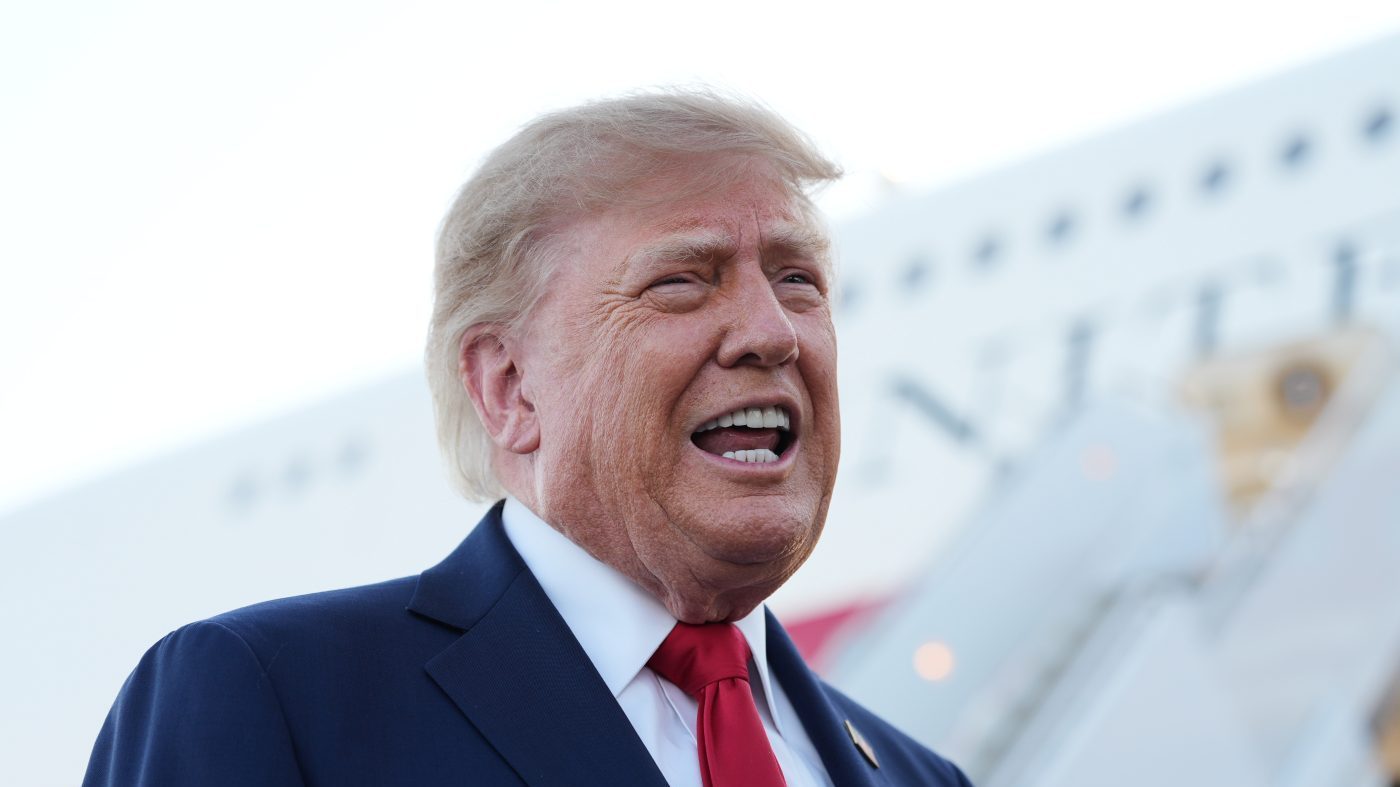
Speculation about vacancies has been fueled by comments from former President Donald Trump, who recently stated he is prepared to appoint new justices, suggesting "it could be two, could be three, could be one." This comes as Republicans grow increasingly anxious about the Senate map, with the nonpartisan Cook Political Report recently shifting four races—Ohio, North Carolina, Nebraska, and Georgia—in Democrats' direction. These concerns are compounded by broader political headwinds, including a poll showing most voters blame Trump for high gas prices and another indicating majority public disapproval of his immigration enforcement tactics.
Senator John Kennedy of Louisiana, another Judiciary Committee member, addressed the rumors directly: "I've seen the articles... the rumor started somewhere." He cited the ages of Alito and 77-year-old Justice Clarence Thomas, noting retirement prospects "depend on their health." Senate GOP aides confirm they are taking the prospect seriously, with one senior aide remarking, "It seems like it could happen. We'll get somebody confirmed. The fight will be interesting."
Some Republicans believe ambitious Democratic senators considering a 2028 presidential run might turn a confirmation process into a political spectacle, inadvertently driving conservative turnout. However, the party must also navigate internal governance challenges, including mounting frustration over Homeland Security funding impasses, which could distract from a unified judicial strategy.
Ultimately, the GOP's hope for an electoral judicial intervention underscores their assessment of a precarious political environment. With historical precedent as their guide, they view a Supreme Court vacancy not merely as a governance event, but as a potentially decisive campaign tool to preserve Senate control. The coming months will reveal whether this hoped-for 'October surprise' materializes or if Republicans must defend their majority on the current, challenging political terrain.