Frustration is mounting among Senate Republicans over House Speaker Mike Johnson's refusal to schedule a vote on a Senate-approved funding package for the Department of Homeland Security. With the agency's funding having lapsed in mid-February, lawmakers warn the administration is rapidly exhausting its ability to pay personnel, including Transportation Security Administration officers and Coast Guard members.
A Stalled Compromise
The Senate, before its Easter recess, passed by unanimous consent a bill to fund most DHS operations, deliberately excluding Immigration and Customs Enforcement and Border Patrol. This strategic separation was intended to break a two-month impasse, with the understanding that funding for the immigration enforcement agencies would be addressed separately through the budget reconciliation process to circumvent a Democratic filibuster.
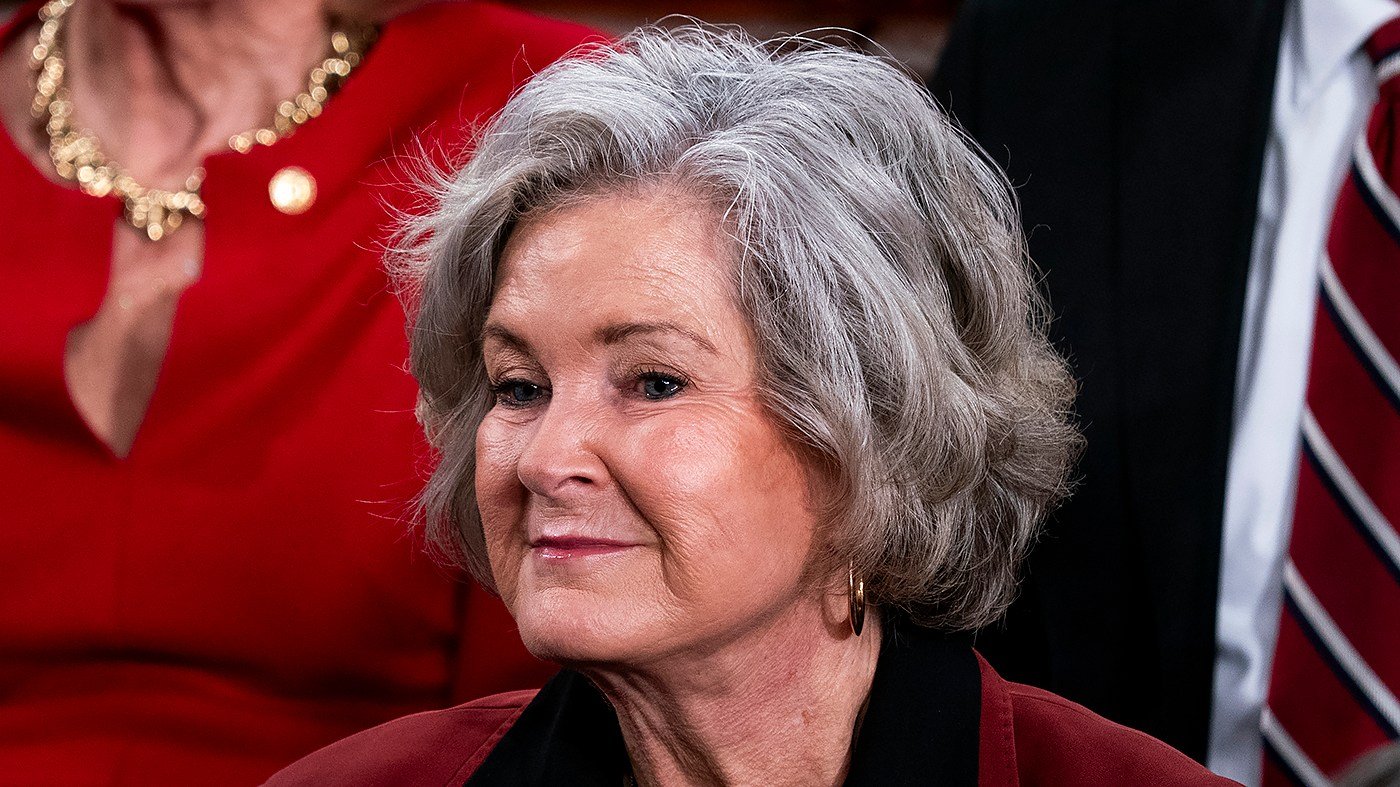
"We viewed it as this would be the simple, quickest, most targeted way to end the partial government shutdown," said Senator Lisa Murkowski (R-Alaska), who is urging the House to act immediately. She acknowledged growing impatience within the GOP conference over the House's inaction on what senators believed was a viable path forward.
Broken Deals and Mounting Pressure
According to a Republican senator speaking anonymously, Johnson is believed to have backed out of a conceptual agreement with Senate Majority Leader John Thune (R-S.D.) to take up the Senate bill. "We have agreements at the top levels... I don't know why we can't stand by them. That is frustrating," the senator stated, adding that while Democrats are primarily blamed for blocking ICE funding, Johnson's delay is exacerbating the crisis.
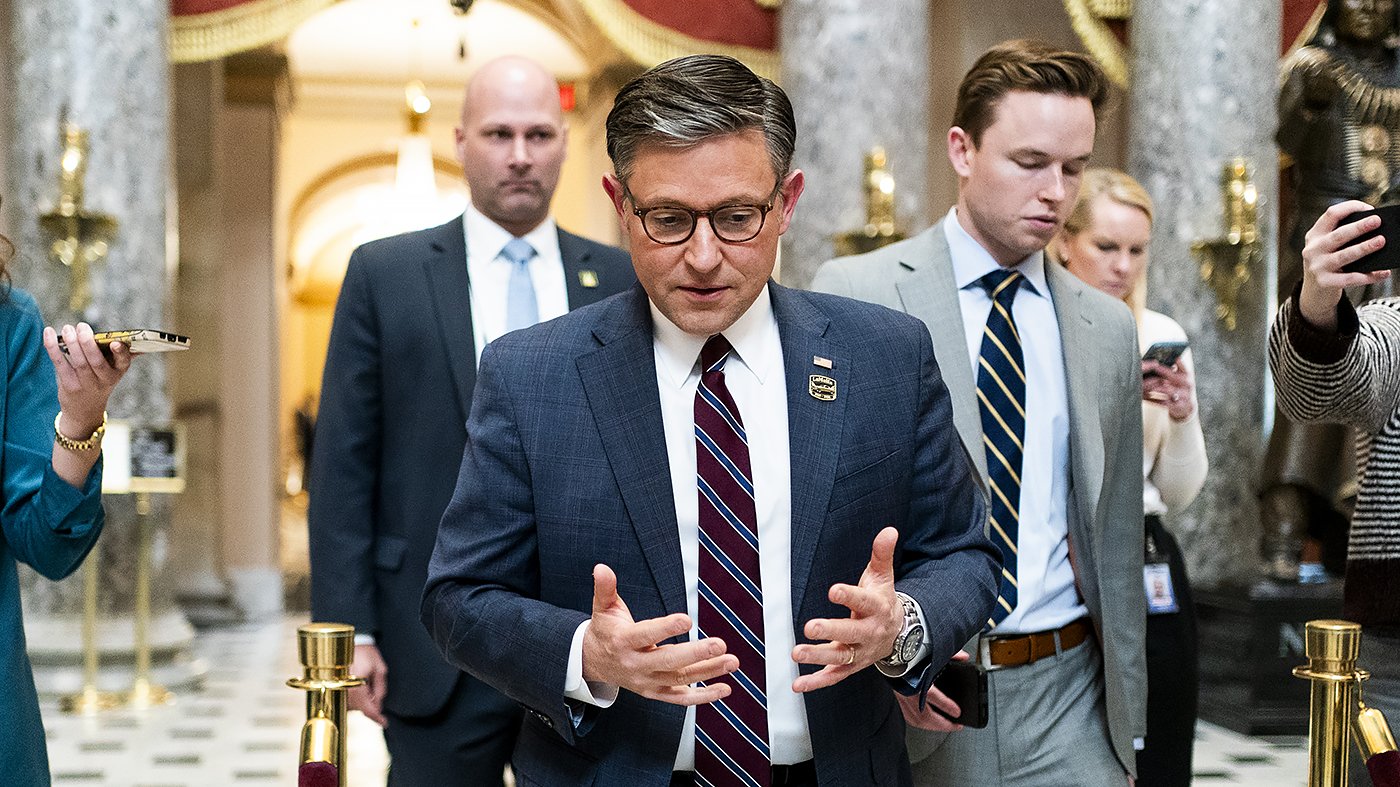
The Speaker's position, articulated to reporters, is that he will not bring the partial DHS funding bill to the floor until the Senate first passes a reconciliation bill securing three and a half years of funding for ICE and Border Patrol—a process that could take a month. This stance aligns him with conservative House members who oppose piecemeal appropriations.
Conservative Backlash in the House
House conservatives have criticized the Senate's strategy of isolating DHS funding, arguing it ceded leverage to Democrats. "I think the Senate keeps making mistakes, and I think we're living with those mistakes every day," said Rep. Chip Roy (R-Texas), a leading voice in the House Freedom Caucus. He and others, like Rep. Ben Cline (R-Va.), insist on securing ICE funding first, fearing uncertainty for the remainder of the presidential term.
The envisioned "skinny" reconciliation bill for ICE and Border Patrol carries a price tag estimated between $65 billion and $70 billion. Democrats have refused to fund these agencies without major immigration enforcement reforms, such as warrant requirements for home entries and a ban on officers wearing masks.
Administration Warns of 'Disintegration'
The political standoff has severe operational consequences. White House Budget Director Russ Vought warned senators that DHS is "disintegrating" due to the funding lapse, with officials scrambling to prevent a mass exodus of federal workers. This budgetary crisis unfolds as the administration contends with other complex challenges, including growing international security threats and internal policy battles over spending priorities that have seen Vought face intense Democratic scrutiny in other hearings.
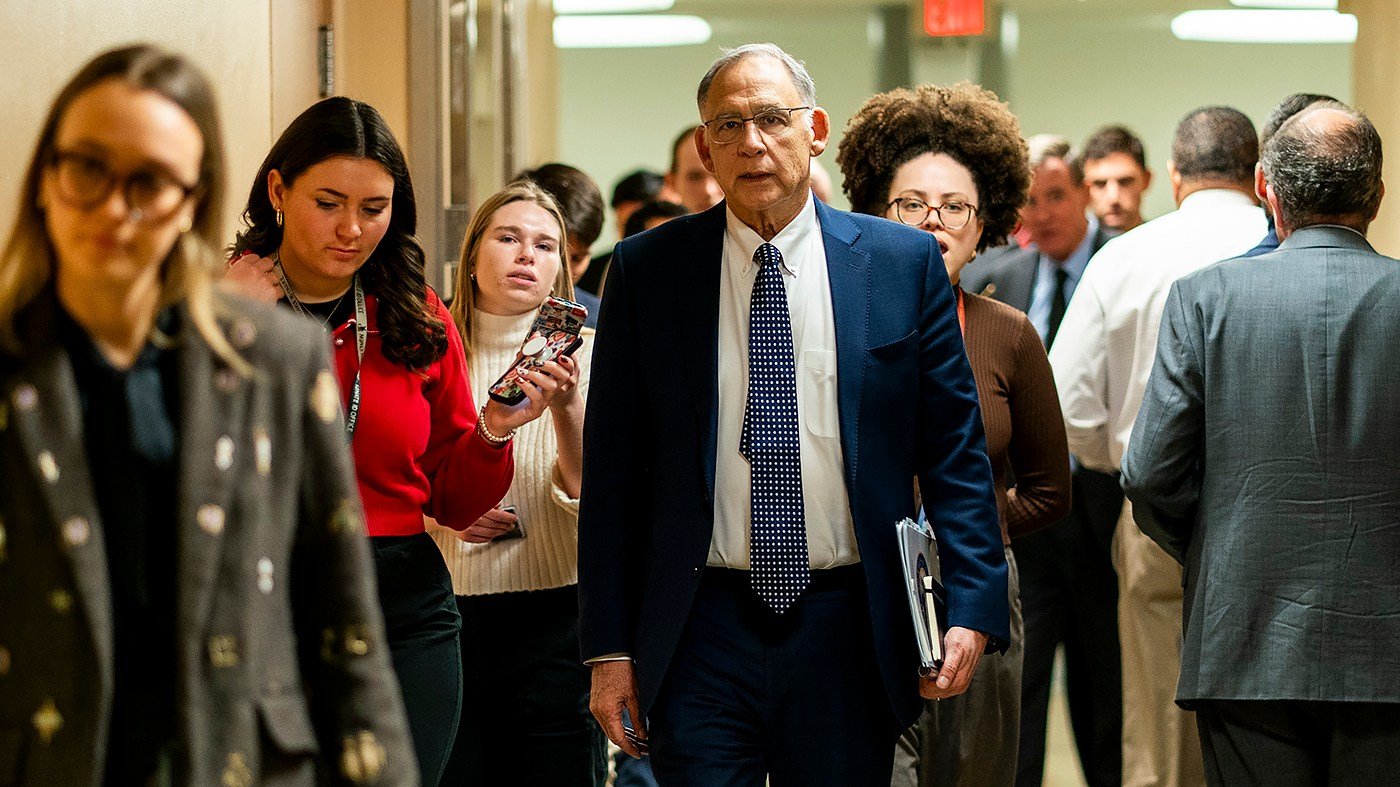
Senate Republican leadership, while careful not to publicly criticize Johnson directly, is signaling urgency. "Obviously, the sooner we can get all those agencies funded, the better," Thune told reporters, emphasizing a reluctance to dictate House procedure even as the deadline for action passes.
The impasse highlights deepening fissures within the Republican congressional strategy, pitting a Senate seeking pragmatic solutions against a House faction demanding maximalist policy wins, with critical homeland security functions caught in the middle.