Nuclear Program Advances Amid Global Distractions
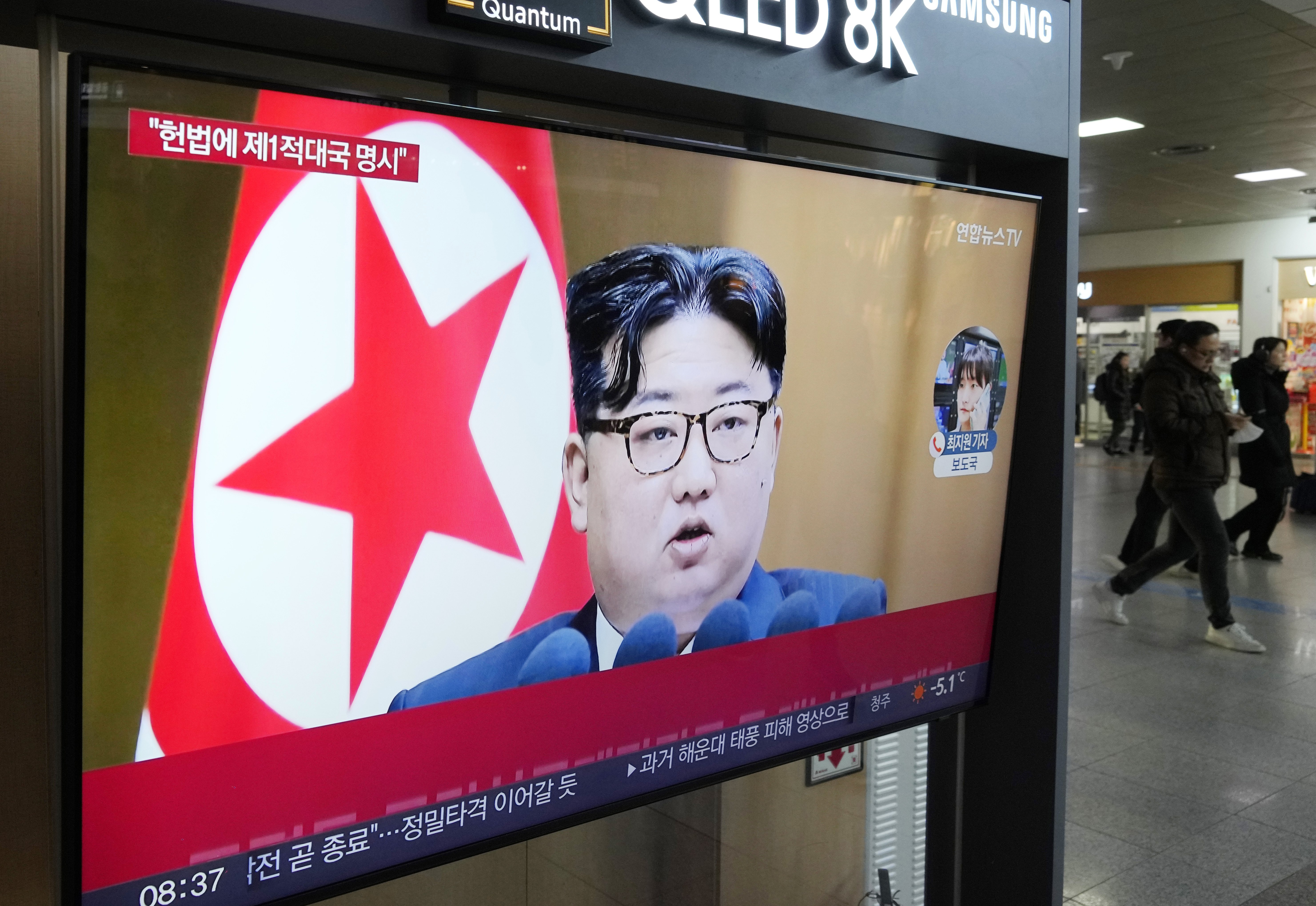
North Korea is accelerating development of its nuclear weapons arsenal, with international monitors warning of significant technological advances that could enhance both the size and sophistication of Pyongyang's strategic capabilities. International Atomic Energy Agency Director General Rafael Grossi, speaking from Seoul, confirmed increased activity at North Korea's primary nuclear facility that suggests the isolated regime is moving beyond basic fission weapons toward more advanced designs.
Expanding Arsenal and Capabilities
According to the Federation of American Scientists, North Korea has assembled approximately 60 nuclear warheads as of early 2026. Grossi's assessment, based on satellite imagery, points to concerning developments at the Yongbyon Nuclear Science and Weapons Research Center, where a 5-megawatt reactor continues to produce plutonium for weapons development.
"The reactor is capable of producing six kilograms of plutonium annually," Grossi noted, adding that this material "enables Pyongyang to continue expanding its nuclear weapons stockpile." Weapons expert David Albright estimates North Korea requires about four kilograms of plutonium—roughly the size of a baseball—for a single plutonium-only warhead.
More alarmingly, analysts observe North Korea appears to be developing composite-core warheads that mix plutonium and highly enriched uranium, creating more efficient weapons with higher explosive yields for their size. This advancement is particularly significant as Pyongyang refines its intercontinental ballistic missile systems designed to reach the United States mainland.
Strategic Calculations and Timing
North Korea's nuclear advancements come during periods of international distraction, particularly when U.S. attention is focused elsewhere. During Russia's 2022 invasion of Ukraine, Pyongyang conducted a record 23 ballistic missile tests. Similarly, earlier this year following U.S. military action against Iran, North Korea tested a nuclear-capable ballistic missile with a hypersonic glide vehicle.
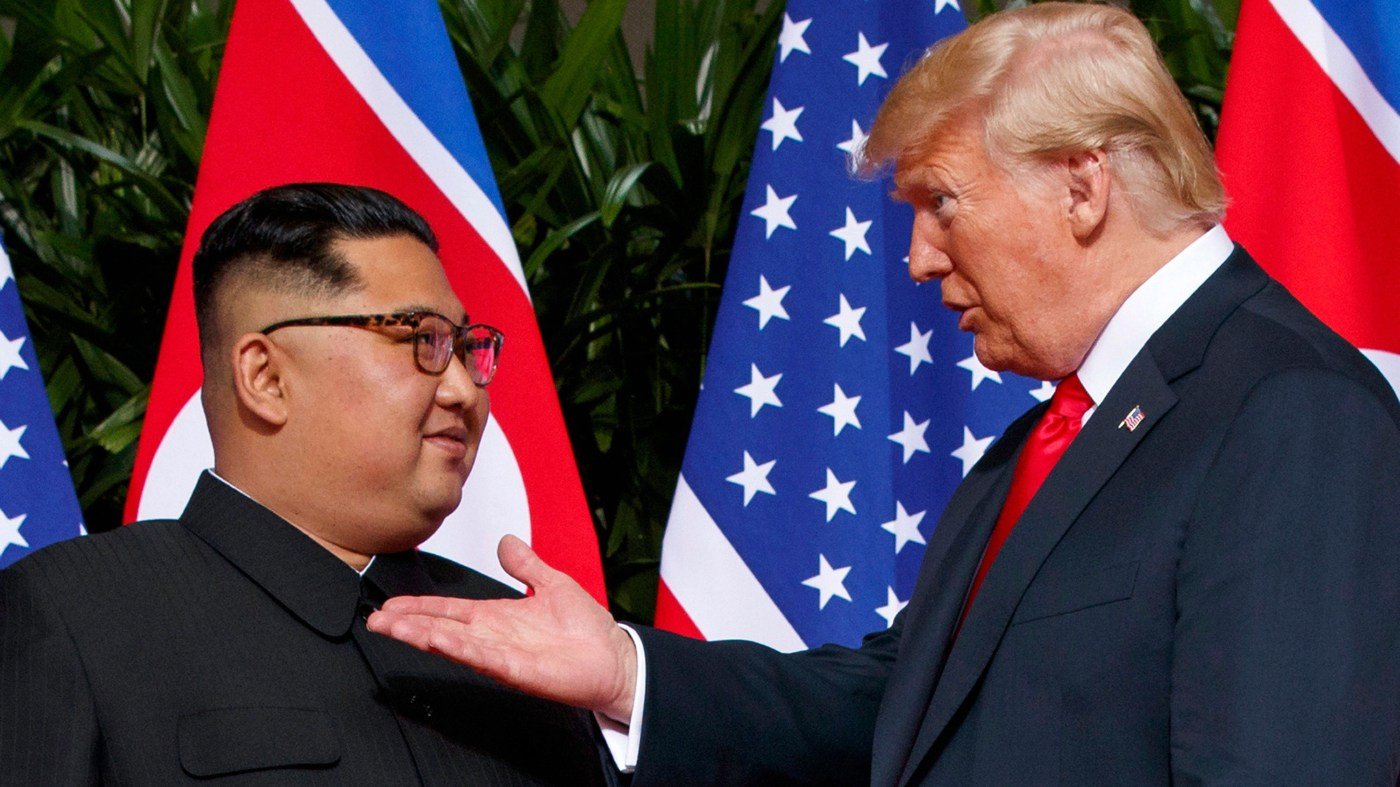
Kim Jong Un has explicitly stated that future diplomatic engagement requires Washington to recognize North Korea as a nuclear-armed state. Analysts suggest Kim views nuclear weapons as his regime's ultimate insurance policy, particularly after witnessing U.S. military strikes against Iranian nuclear facilities. This perspective creates powerful incentives for continued nuclear development despite international condemnation.
The timing presents challenges for U.S. strategy, particularly as tensions flare with traditional Asian allies over regional security cooperation. The growing North Korean threat comes amid broader questions about nuclear deterrence and international law, including recent debates about preventive strike justifications for non-imminent nuclear threats.
Production Capacity Expansion
Beyond warhead design improvements, North Korea is expanding its uranium enrichment infrastructure. In addition to the previously known Kangson enrichment facility near Pyongyang, Grossi confirmed in March that construction of a second enrichment site within Yongbyon has been completed, with internal fitting likely underway.
This expanded capacity suggests North Korea intends to significantly increase its production of weapons-grade material. The dual-track approach—developing both plutonium and uranium pathways—provides Pyongyang with flexibility and redundancy in its weapons program, making diplomatic solutions more complex.
As the nuclear threat grows, some U.S. officials have raised concerns about command and control, with former intelligence officials warning about nuclear decision-making processes in tense geopolitical environments. The North Korean advancement occurs against a backdrop of domestic political debates about national security priorities.
The international community faces mounting challenges in addressing North Korea's nuclear ambitions. With Pyongyang viewing nuclear weapons as essential to regime survival and continuing to advance its capabilities during periods of global distraction, diplomatic solutions appear increasingly difficult while the strategic threat continues to grow.