With a tenuous ceasefire set to expire in ten days, the United States and Iran remain deadlocked following the collapse of high-level negotiations in Islamabad. Vice President J.D. Vance returned to Washington on Sunday without an agreement, leaving the Trump administration with dwindling diplomatic options and the prospect of renewed military conflict.
Nuclear Ambition Remains Core Impasse
Vance, speaking to reporters in the Pakistani capital, characterized the discussions as substantive but ultimately fruitless. The central obstacle, echoed by both the Vice President and President Trump, was Iran's refusal to permanently abandon its nuclear weapons program. "We need an affirmative commitment that they will not seek a nuclear weapon, not just now, but for the long term," Vance stated. "We haven't seen that yet."
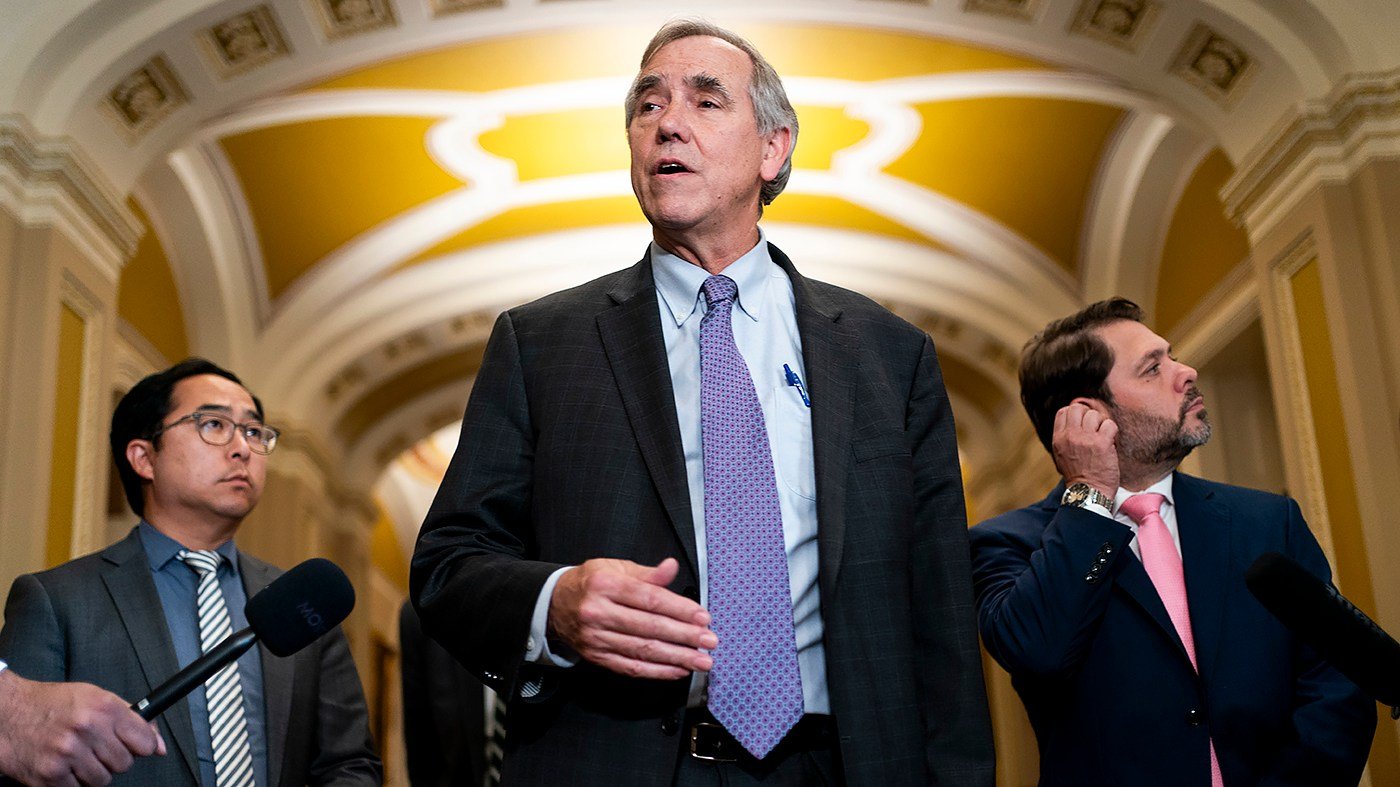
President Trump, in a separate interview with Fox News, confirmed the breakdown, calling Iran's nuclear ambition "the most important point by far." He claimed negotiations grew friendly but concluded, "they refused to give up their nuclear ambition." This failure recalls previous bipartisan criticism of Trump's Iran strategy, which has oscillated between maximum pressure and direct talks.
A Lengthy List of U.S. Demands
Beyond the nuclear issue, a senior U.S. official outlined a comprehensive set of "red lines" presented to Iranian negotiators. These demands include:
- Complete cessation of uranium enrichment and dismantlement of major nuclear facilities.
- Retrieval of all highly enriched uranium.
- An end to Tehran's funding of proxy groups like Hamas, Hezbollah, and the Houthis.
- The establishment of a regional security framework.
- Fully reopening the Strait of Hormuz without imposing tolls on shipping.
The final demand regarding the strategic waterway has significant economic and military implications. Since U.S. and Israeli strikes in late February, the Islamic Revolutionary Guard Corps has threatened ships, severely reducing traffic through a chokepoint for roughly one-fifth of the world's oil. In response, President Trump has ordered a U.S. naval blockade to interdict vessels paying IRGC tolls. Two guided-missile destroyers have been deployed to clear sea mines from the passage.
Domestic Political Pressure Mounts
The stalled talks and ongoing crisis are taking a political toll. A recent CBS News/YouGov poll indicates 68% of Americans are worried about the conflict, with only 38% believing President Trump has a clear plan. Approval is sharply divided along partisan lines, with 81% of Republicans expressing confidence compared to just 9% of Democrats.
With the midterm elections seven months away, Trump faces a binary and politically risky choice: allow the ceasefire to lapse and resume a costly war, or end hostilities without securing the major concessions his administration has publicly demanded. Former National Security Advisor John Bolton, a frequent critic, argued the ceasefire itself was a mistake, giving Iran time to "recover and regroup" after weeks of bombardment. He echoed the skepticism of other former officials who have warned that negotiations with Tehran could prove interminable.
An Uncertain Path Forward
Despite the impasse, President Trump asserted the U.S. holds a position of overwhelming strength, telling Fox News that Iran's military is "obliterated" and its leadership "literally gone." However, the administration's negotiation team—which included Special Envoy Steve Witkoff and the President's son-in-law, Jared Kushner—has returned empty-handed from what were billed as historic direct talks.
The coming days will determine whether the April 22 ceasefire expiration triggers a return to open conflict or a last-minute diplomatic scramble. The administration's maximalist demands, particularly on the nuclear issue, appear to have left little room for compromise, setting the stage for a critical decision that will define U.S. policy in the Middle East and reverberate through the domestic political landscape.