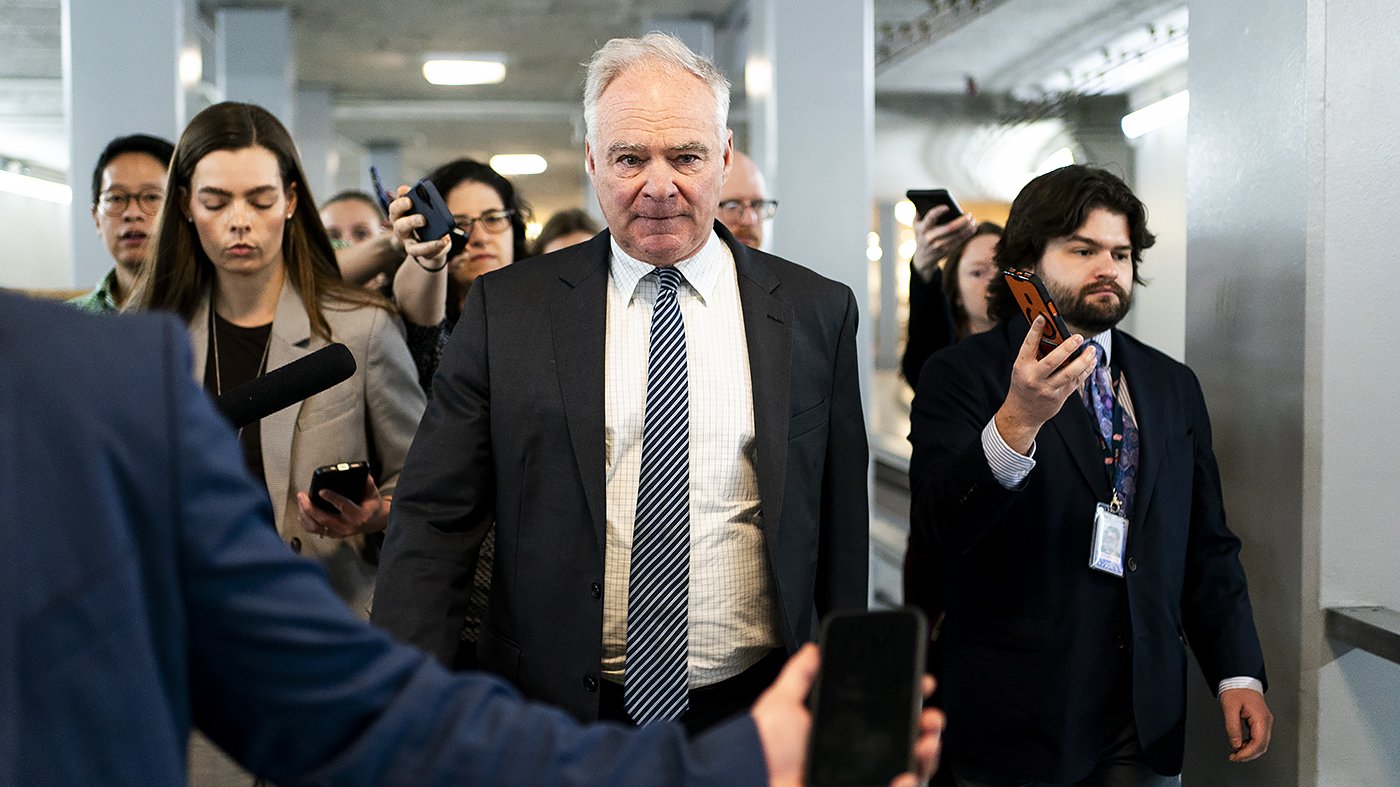
Senator Tim Kaine (D-Va.) delivered a scathing assessment of former President Donald Trump's decision to abandon the Iran nuclear agreement, labeling it a historic foreign policy blunder that continues to hamper diplomatic efforts. In an interview on ABC's "This Week," Kaine argued that Trump's 2018 withdrawal from the Joint Comprehensive Plan of Action (JCPOA) has made current negotiations with Tehran significantly more difficult.
"This is not going to be an easy negotiation because the last negotiation that led to a control of Iran's nuclear program, the U.S. made the decision to tear it up and walk away from the deal," Kaine told host Martha Raddatz. The senator was referencing recent talks between Trump administration officials and Iranian representatives in Islamabad, Pakistan.
A Damning Historical Judgment
Kaine offered a harsh historical verdict on the decision. "I think that decision by President Trump to tear up a diplomatic deal will go down in history as one of the worst decisions in the foreign policy space ever made by an American president," he stated. He added a stark warning: "If you make diplomacy impossible, you tend to make war inevitable."
The 2015 JCPOA, negotiated under President Barack Obama, required Iran to dismantle key elements of its nuclear infrastructure in exchange for sanctions relief. The Obama administration reported in January 2016 that Iran had shipped 25,000 pounds of enriched uranium out of the country, dismantled two-thirds of its centrifuges, and provided "unprecedented access" to international inspectors. Non-nuclear sanctions related to missile technology and Iran's designation as a state sponsor of terrorism remained in place.
Current Negotiations Stall
The criticism comes amid recent high-stakes negotiations led by Vice President J.D. Vance, U.S. envoy Steve Witkoff, and Jared Kushner, Trump's son-in-law. The talks, held during a ceasefire between the two nations, concluded without a new agreement.
Vance told reporters the discussions were "substantive" but ultimately unsuccessful. "The bad news is that we have not reached an agreement, and I think that's bad news for Iran much more than it's bad news for the United States of America," he said. The failure follows a pattern of tense engagements, including a recent U.S. naval blockade order for the Strait of Hormuz after previous talks collapsed.
Mohammad Bagher Ghalibaf, speaker of the Iranian parliament, echoed the diplomatic discord on Sunday, stating U.S. officials "failed to gain the trust" of their Iranian counterparts during the Pakistan meetings.
Broader Foreign Policy Context
Kaine's remarks highlight the enduring controversy of Trump's Iran policy, which has been criticized by foreign policy experts and Democratic leaders alike. The withdrawal represented a sharp reversal from the Obama-era approach and aligned with Trump's broader skepticism of multilateral agreements. This unilateral move has been part of a pattern, similar to the withdrawal of U.S. support that led the UK to suspend the Chagos sovereignty transfer.
The stalled negotiations and Kaine's forceful critique underscore the significant challenges facing any future administration seeking to re-engage Iran diplomatically. The legacy of the abandoned deal continues to shape the strategic landscape in the Middle East, affecting global energy markets and regional stability. As some commentators have mocked the recent ceasefire as a political maneuver, the fundamental issue of constraining Iran's nuclear ambitions remains unresolved, with trust between the nations at a low point.