Canada is tightening its borders in response to the escalating Ebola outbreak in central Africa. Starting Saturday, travelers arriving from Congo, Sudan, and Uganda will be required to self-isolate for 21 days, the Canadian government announced Tuesday.
The measure, driven by what officials described as an "abundance of caution," is set to remain in effect through at least August 29. Luc Brisebois, director-general for the Centre for Border and Travel Health at the Public Health Agency of Canada, said the policy targets individuals who have been in regions where the virus is actively spreading.

Travelers showing symptoms will be taken directly to hospital for further assessment. For those who lack a suitable place to isolate, Canadian authorities will provide accommodations.
In a parallel move, immigration authorities are temporarily suspending final decisions on applications from Congo, South Sudan, and Uganda for 90 days. That pause could be extended or lifted depending on how the outbreak evolves, officials said.
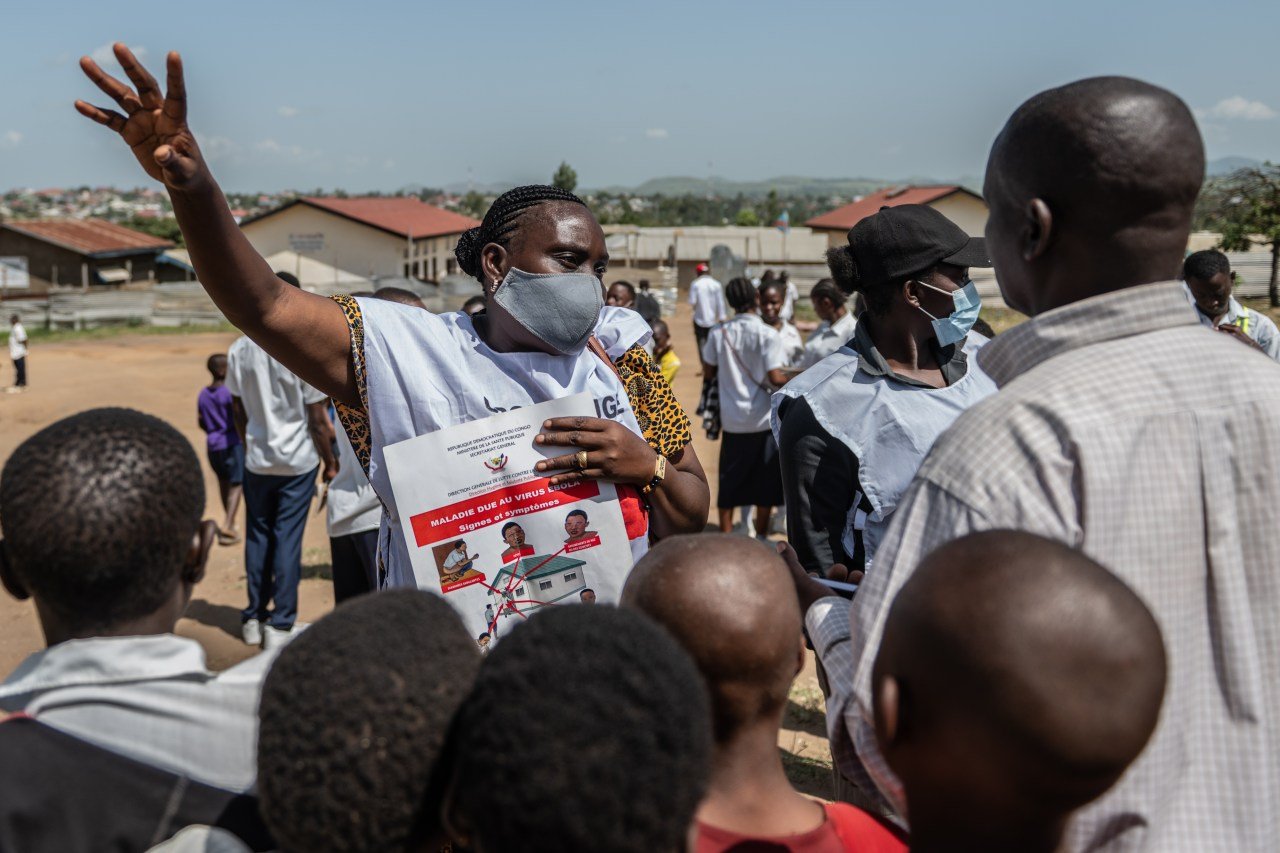
The outbreak, centered in northeastern Congo, involves a rare strain of Ebola that is outpacing containment efforts. The World Health Organization reports more than 900 suspected cases and over 220 deaths. Aid operations have ramped up, but the WHO warns the crisis could persist for months.
Canada's move echoes similar actions taken by the Trump administration, which recently tightened Ebola screening for green card holders from the Congo region. The WHO has also flagged that violence is hampering response efforts in Congo as cases climb.
The Canadian government has not indicated whether the travel restrictions will be expanded to other countries. The policy applies to all travelers, regardless of citizenship, who have been in the affected regions within the past 21 days.
Public health experts have praised the measures as prudent, but some critics argue they could stigmatize travelers from the region and disrupt legitimate travel and trade. The Canadian government maintains that the steps are necessary to protect public health while the outbreak remains uncontrolled.
The 21-day quarantine period matches the maximum incubation period for Ebola, ensuring that any potential cases are identified before travelers can spread the virus within Canada. Officials say the policy will be reviewed regularly and adjusted as the situation on the ground changes.