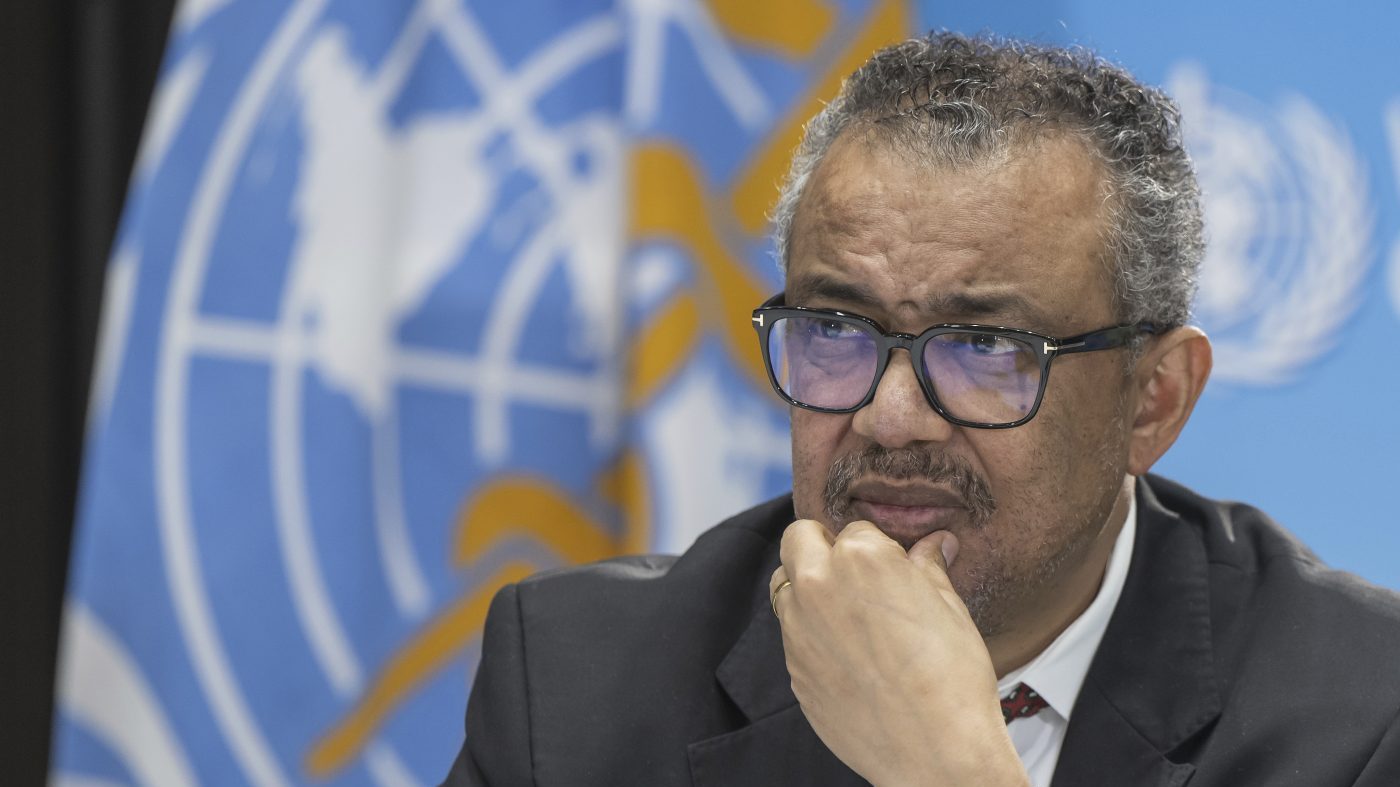
World Health Organization Director-General Tedros Adhanom Ghebreyesus issued a stark warning on Friday, stating that “violence and insecurity” are severely hampering efforts to contain the Ebola outbreak in the Democratic Republic of Congo, which he described as “deeply worrisome.”
The outbreak has now reached nearly 750 suspected cases and 177 suspected deaths, along with 82 confirmed cases and seven confirmed deaths, according to Tedros. He noted that these figures are likely to rise as surveillance and laboratory testing improve, but stressed that the response is being undermined by ongoing conflict and instability.
In a social media statement, Tedros said, “Additional @WHO personnel have deployed to Ituri, the epicenter of the [Congo] outbreak, to support affected communities.” The region has been plagued by armed conflict, with local leaders reporting that attacks by militants linked to the Islamic State killed at least 17 people in Ituri on Tuesday.
Tensions boiled over in Rwampara, where a fire erupted at an Ebola treatment center after authorities prevented locals from retrieving the body of a man who died from the virus. Bodies infected with Ebola are highly contagious and can accelerate the spread of the disease if mishandled. Student Alexis Burata, who witnessed the incident, told the Associated Press that police tried to calm the situation “but unfortunately they were unsuccessful. The young people ended up setting fire to the center.”
The WHO has assessed the global risk of the outbreak as low, but some experts are sounding alarms. Dr. Neil Vora, a former CDC epidemiologist who worked on Congo’s 2019 Ebola outbreak, warned on Thursday that the current situation “will get worse before it gets better.” Speaking on NewsNation’s “Elizabeth Vargas Reports,” Vora noted, “A lot of partners are mobilizing, and robust public health measures in the past have been very successful in stopping outbreaks. This outbreak will get worse before it gets better. It’s an extremely precarious situation, but I’m confident that with application of good public health measures, over time this will come under control.”
An American citizen has tested positive for Ebola and is being treated at Charité – Universitätsmedizin Berlin. The hospital confirmed that the patient is not critically ill, and his wife and four children have all tested negative. “Because the course of the illness can change, he remains under close observation and is receiving treatment,” the hospital told Reuters. Reports also indicate that another American national, identified as a high-risk contact, has been transferred to the Czech Republic.
The outbreak has drawn international attention, with some U.S. lawmakers criticizing the WHO’s response. Tedros has pushed back against such criticism, defending the organization’s efforts. Meanwhile, the White House has denied blocking the return of an Ebola-exposed U.S. doctor, and travel restrictions have been imposed, including a mandate for Ebola screening at Dulles Airport for travelers from three African nations.
As the situation evolves, the WHO continues to deploy additional personnel and resources to Ituri, but the combination of violence, community mistrust, and logistical challenges threatens to prolong the crisis. The coming weeks will test the resilience of public health measures in one of the world’s most volatile regions.