The Trump administration has tightened its Ebola-related travel restrictions, now requiring lawful permanent residents who have visited the Democratic Republic of Congo, Uganda, or South Sudan within the past 21 days to undergo enhanced screening before entering the United States.
The Department of Health and Human Services, which oversees the Centers for Disease Control and Prevention, issued the advisory Friday, updating a previous 30-day restriction that had exempted U.S. nationals and green card holders. The new policy gives CDC discretionary authority to temporarily limit entry for these residents, a move the agency says balances public health protection with emergency response resources.
“This does not permanently bar these residents from reentering the U.S.,” the CDC noted in its announcement. “Instead, it gives CDC discretionary authority to restrict entry when needed and allowed by law. Applying this authority to lawful permanent residents for a limited period of time provides a balance between protecting public health and managing emergency response resources.”
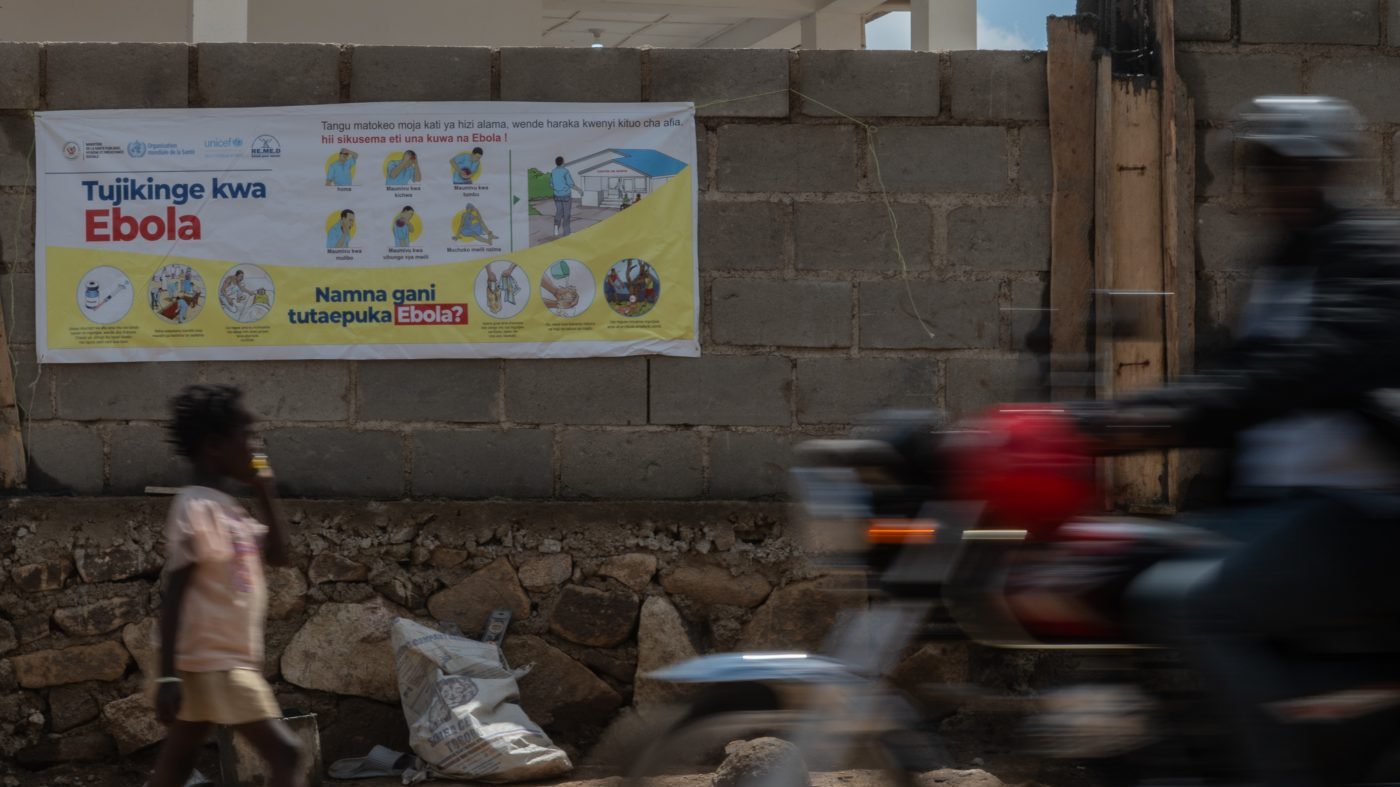
The World Health Organization has declared a global public health emergency over an outbreak of the Bundibugyo strain of Ebola in Congo and Uganda. As of Friday, health ministries in both countries reported 744 suspected cases, 83 confirmed cases, and 176 deaths from suspected cases, according to CDC data.
WHO Director General Tedros Ghebreyesus said in a social media post Saturday that Uganda reported three new confirmed Ebola cases, bringing its total to five. “At this critical moment in the outbreak response, it is vital that authorities maintain high vigilance to control expansion of the virus,” he wrote.
The State Department announced Thursday that all travelers from the three affected nations must be routed to Washington Dulles International Airport in Virginia for enhanced screening. It later added Hartsfield-Jackson Atlanta International Airport and George Bush Intercontinental Airport in Houston to the list of approved entry points.
Dr. Satish K. Pillai, the CDC incident manager for the Ebola response, told reporters Friday that the risk to the U.S. remains low, citing domestic health care preparedness. But some health experts have raised concerns about the nation’s readiness for the upcoming World Cup, which begins June 11. A public health assessment from Trust for America’s Health found fewer than half of U.S. states are adequately prepared for a public health emergency ahead of the event.
Andrew Giuliani, the White House task force chief for the World Cup, said Friday that the Congolese national soccer team must isolate for 21 days before entering the U.S. to compete. The team is scheduled to face Portugal on June 17 in Houston. “We’ve made it very clear to the Congo government that they need to maintain that bubble or they risk not being able to travel to the United States,” Giuliani said. “We cannot be any clearer.”
The administration’s move comes as it faces broader criticism over its handling of public health and international events. Critics have pointed to the Trump administration’s broader foreign policy shifts, including allegations that its Cuba rhetoric could signal an invasion pretext, as well as internal party tensions over feuds that risk the Senate majority.