Democratic Senator Questions Qualifications of Trump's Diplomatic Team
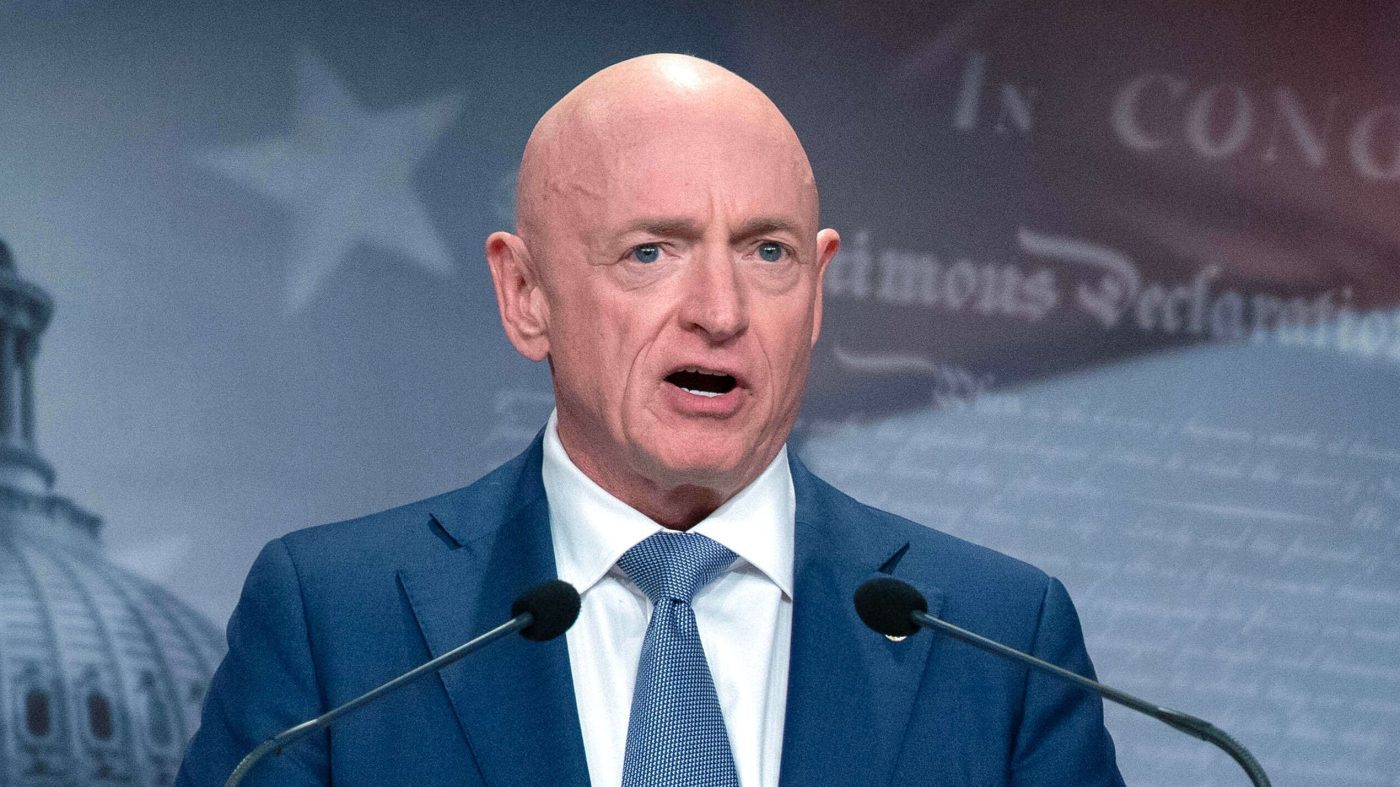
Senator Mark Kelly, the Arizona Democrat and retired naval officer, launched a pointed critique of the Trump administration's diplomatic strategy on Saturday, taking specific aim at the qualifications of the two men representing American interests in historic negotiations with Iran. Kelly's comments came as Jared Kushner, the president's son-in-law, and special envoy Steve Witkoff sat down with Iranian officials in Islamabad for the first direct talks between the two nations since 1979.
"You cannot dispatch two individuals whose professional expertise lies in property development to broker peace in one of the world's most volatile regions," Kelly stated during an appearance at the National Action Network Convention in New York. The senator's remarks underscore growing Democratic concern about the administration's unconventional diplomatic appointments as Vice President Vance leads the U.S. delegation through delicate negotiations aimed at solidifying a fragile ceasefire.
Historic Talks Amid Strategic Criticism
The Islamabad meetings represent a diplomatic milestone, occurring against a backdrop of escalating tensions. A two-week ceasefire established earlier this week shows signs of strain, with Iran accusing the United States and Israel of violating terms of its ten-point peace proposal. Meanwhile, Washington has condemned Tehran for obstructing maritime traffic through the strategically vital Strait of Hormuz.
Kelly attributed the prolonged closure of the strait—through which approximately twenty percent of global oil shipments pass—directly to President Trump's strategic decisions. "There is one person responsible for closing the Strait of Hormuz: Donald Trump," Kelly asserted. "What he has taught the Iranian regime is that they now possess a strategic asset they can leverage against American interests for decades to come."
The senator elaborated on what he characterized as fundamental strategic errors, arguing the administration entered the conflict "without a coherent plan, without clear timelines, and without any viable exit strategy." He further criticized Trump for failing to consult with traditional U.S. allies before authorizing military strikes in late February, a move Kelly claimed has "significantly damaged our relationships with partners in the region and within NATO."
Administration Pushback and Political Context
President Trump offered a contrasting assessment on Saturday, dismissing concerns about the strait's closure during a phone interview with NewsNation. "Iran is a nation in profound decline," Trump told reporter Kellie Meyer. "It will be reopened. But the world is recognizing there are alternative routes to transit that do not involve the strait." Earlier on his Truth Social platform, the president noted that "significant numbers" of empty tankers were en route to American ports to load oil and gas, but denied this movement was linked to the Persian Gulf blockade.
The diplomatic mission led by Vance represents a critical test for Kushner and Witkoff, who have become central figures in the administration's second-term foreign policy. The pair have previously engaged in negotiations concerning the Russia-Ukraine war, Iran's nuclear ambitions, and the Gaza ceasefire. Their involvement in such high-stakes diplomacy has drawn scrutiny from foreign policy traditionalists who question their preparation for complex geopolitical negotiations.
Kelly, who is frequently mentioned as a potential Democratic presidential candidate in 2028, outlined what he believes should be the path forward. "We must first repair our alliances, then bring Iran to the negotiating table for substantive discussions," he said in response to questioning from Reverend Al Sharpton. This critique arrives as tensions between Trump and his critics intensify over the administration's handling of Middle Eastern conflicts.
The Islamabad talks occur at a particularly delicate moment, with the ceasefire's durability uncertain and both sides exchanging accusations of bad faith. The outcome of these negotiations could significantly influence regional stability and global energy markets, making the composition and competence of the American delegation a subject of intense political debate in Washington.