A fresh survey from the Trafalgar Group shows South Carolina’s Republican gubernatorial contest remains wide open, with Lieutenant Governor Pamela Evette and Attorney General Alan Wilson locked in a statistical tie. Among likely GOP primary voters, Evette holds 19.9 percent support, while Wilson stands at 19.4 percent—a difference well within the poll’s margin of error.
The race to succeed term-limited Governor Henry McMaster has drawn a crowded field, and the new numbers underscore how fragmented the electorate remains just weeks before the primary. Millionaire businessman Rom Reddy is close on the leaders’ heels with 19 percent, making this effectively a three-way contest at the top.
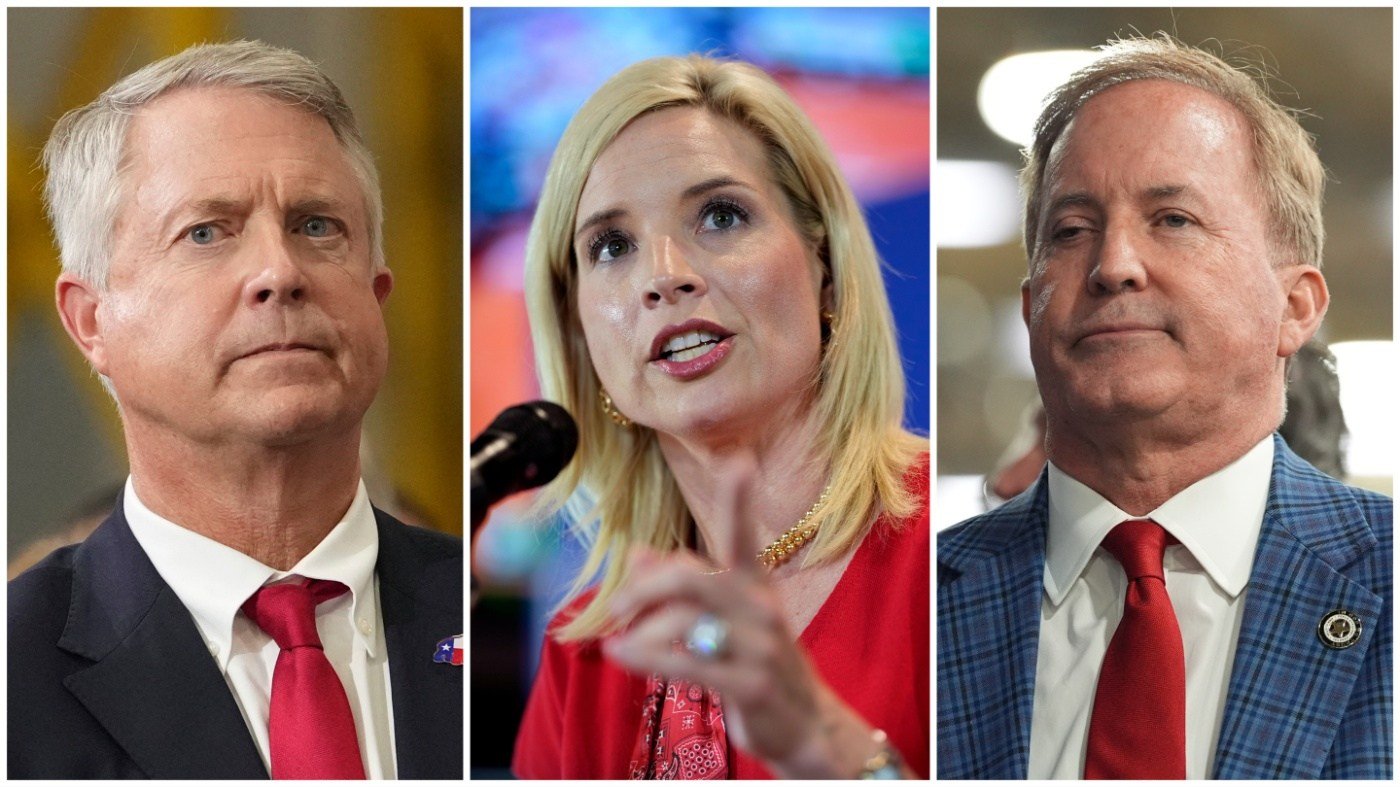
Representatives Ralph Norman and Nancy Mace trail with 15.9 percent and 14.6 percent, respectively. The remaining candidates poll in single digits.
Earlier this month, Evette held a slightly larger 2.1-point edge over Wilson, but the attorney general has been gaining ground—especially among voters aged 40 to 64. In that key demographic, Wilson’s support has risen while Evette’s has dropped by nearly half over the past few weeks.
Both candidates have seen some erosion among female voters. Evette’s support among likely female GOP primary voters fell by 9.5 percentage points, while Wilson’s declined by 3.2 points. Among male voters, Evette’s numbers slipped by just 0.1 points, while Wilson lost 4.2 points.
The survey was conducted May 21–24 among 1,125 likely Republican primary voters and carries a margin of error of plus or minus 2.9 percentage points.
The race has been shaped by debates over fiscal policy, education, and the state’s handling of recent controversies. The ACLU and League of Women Voters recently sued South Carolina over a secret redistricting meeting, a case that could influence voter perceptions of transparency in state government. Meanwhile, the South Carolina Supreme Court overturned Alex Murdaugh’s murder convictions and ordered a new trial, a high-profile legal development that may affect the broader political environment.
With the primary approaching, the field remains fluid, and any of the top three candidates could emerge as the frontrunner. The Trafalgar Group’s data suggest that late-breaking shifts in voter sentiment—particularly among older and female voters—could prove decisive.