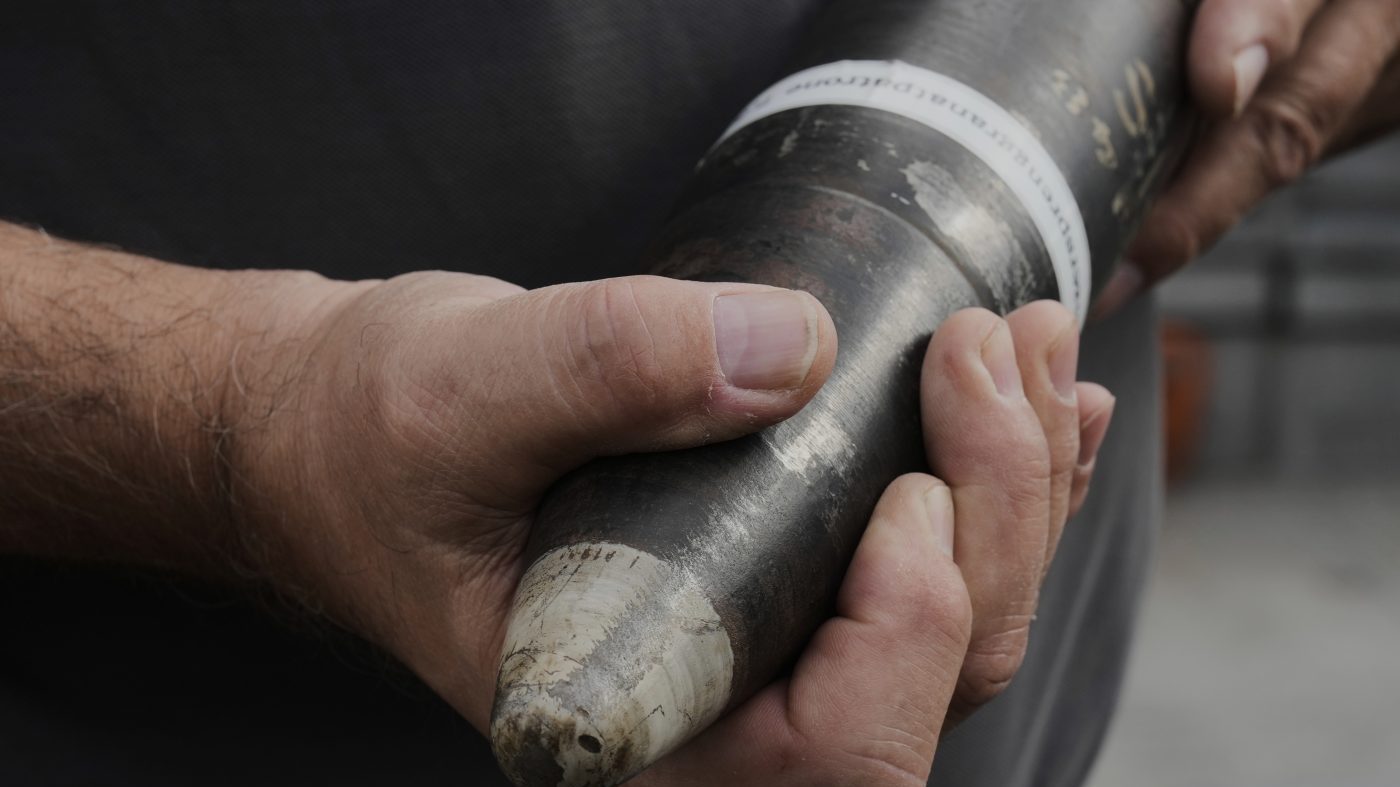
The United States carried out defensive military strikes in southern Iran late Monday, escalating already high tensions with Tehran and casting doubt on a nascent peace plan that could reopen the Strait of Hormuz and provide relief to soaring oil and gas markets. The strikes, which the Pentagon described as a response to Iranian provocations, come as negotiators were closing in on a framework to end the ongoing conflict.
Washington insists the strikes were purely defensive and should not derail the talks. But even before the latest escalation, major obstacles had emerged—chief among them the status of the Strait of Hormuz, a critical chokepoint for global energy shipments, and the future of Iran’s nuclear program. A naval blockade enforced by the U.S. military has redirected 108 commercial vessels, according to U.S. Central Command, a move Tehran labels an act of war.
Midterm Pressures and GOP Demands
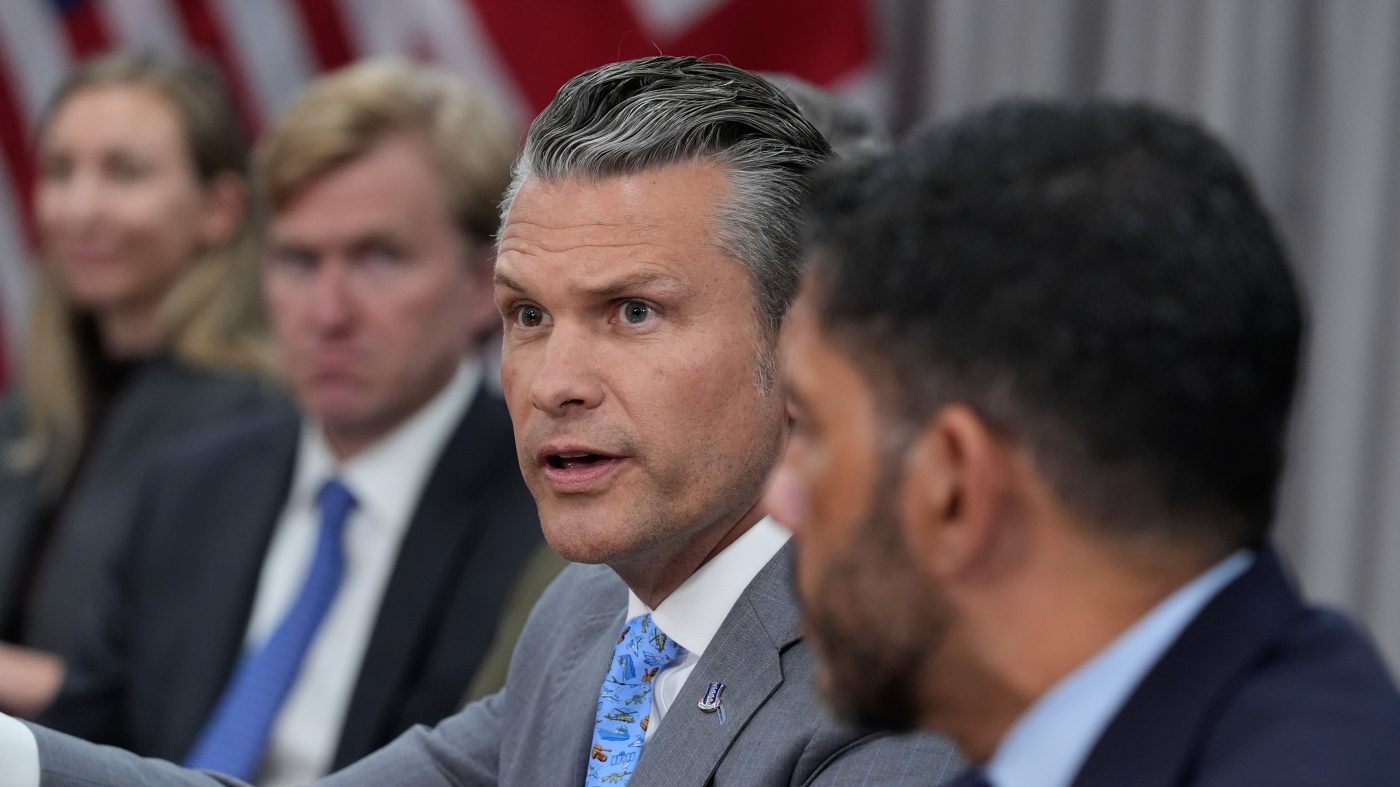
The Trump administration faces immense political pressure as the midterm elections approach. Republicans fear losing control of both the House and Senate unless they can deliver tangible relief at the pump. At the same time, conservative lawmakers are demanding that any agreement with Iran include ironclad guarantees to dismantle its nuclear infrastructure and eliminate enriched uranium stockpiles.
President Trump has publicly stated that talks are “proceeding nicely” and that his red lines are clear. White House spokesperson Olivia Wales reiterated that “President Trump will only make a good deal for the American people, which must ensure that Iran can never have a nuclear weapon.”
Tehran’s Response: Threats and Demands
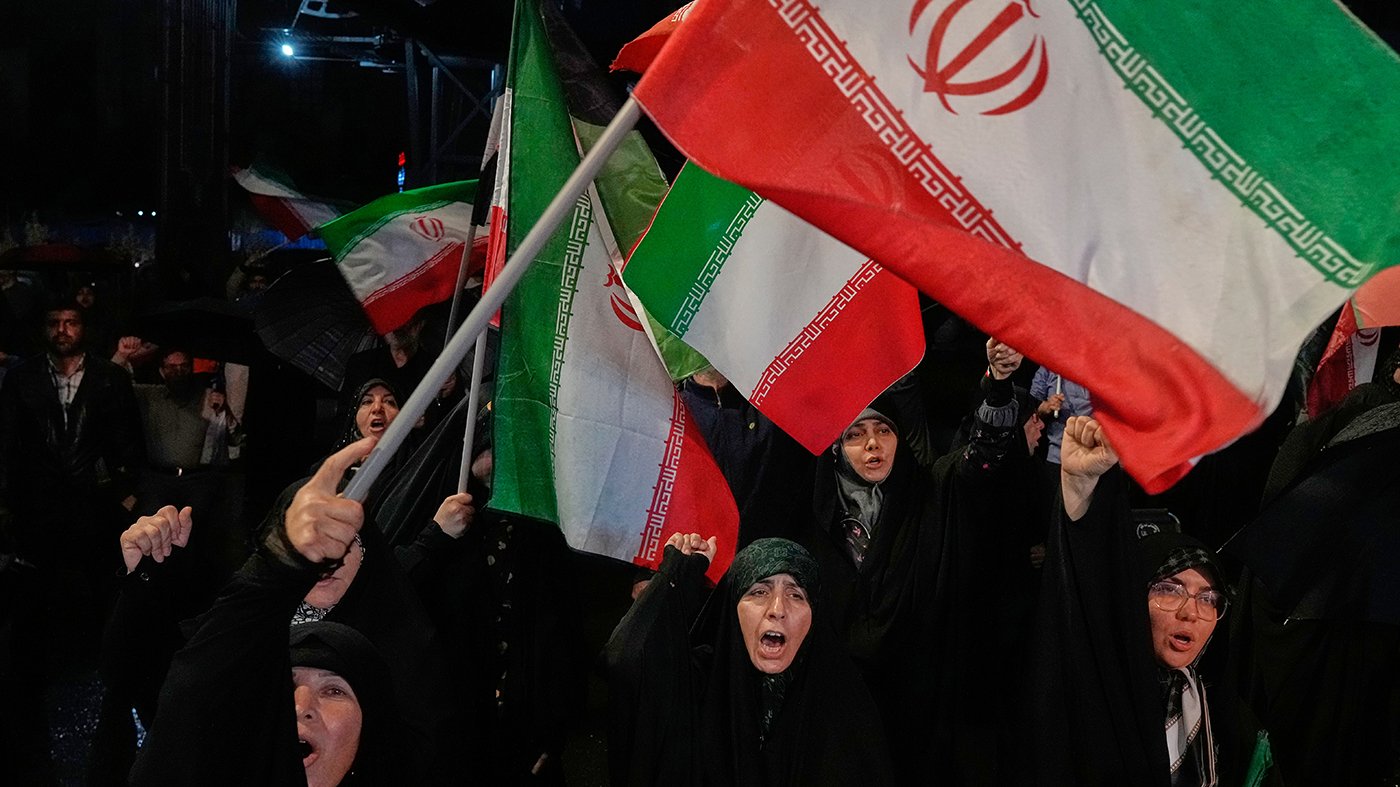
Iran’s Revolutionary Guard Corps Aerospace Commander Seyed Majid Moosavi accused the U.S. of violating the fragile ceasefire, warning on X that the IRGC is “prepared for a decisive, swift response.” Supreme Leader Ayatollah Mojtaba Khamenei also broke his silence on the platform, declaring that “the United States will no longer have a safe haven for its mischief and for establishing military bases in West Asia.”
Tehran is also demanding the release of $24 billion in frozen assets as a precondition for continuing talks, according to Iranian state media. This latest sticking point adds to the list of issues that have kept negotiators from finalizing a deal.
Expert Divisions on Impact of Strikes
Analysts are split on whether the strikes will derail the negotiations. Cale Brown, former State Department spokesperson during Trump’s first term, said the attacks signal that “we won’t tolerate this provocation while we’re engaged in negotiation.” He called the strikes a legitimate defensive response to Iranian mine-laying and missile launches.
Ali Vaez, director of the Iran Project at the International Crisis Group, described the situation as getting “closer to the finish line under fire.” He noted that the ceasefire was shaky from the start and that the U.S. blockade itself is an “act of war.” If talks collapse, he warned, “a return to hostilities will be inevitable.”
Rosemary Kelanic of Defense Priorities argued the strikes have “certainly jeopardized” progress, giving Tehran “another data point suggesting Trump’s intentions can’t be trusted.” She pointed to Trump’s 2018 withdrawal from the JCPOA as fuel for Iranian suspicion. “Bombing Iran again during negotiations only underlines those fears and will prove counterproductive,” she said.
Other experts downplayed the risk. Michael Rubin of the American Enterprise Institute said, “I don’t think the strikes matter when it comes to this notion of having a deal or not.” He suggested Iran might use the strikes as an excuse to walk away, playing to the “blame Trump crowd” in Washington.
For now, the U.S. military continues to enforce the blockade, and the political clock is ticking. With midterm elections looming and energy prices still high, both sides face steep costs if the talks fail. The coming days will test whether the fragile diplomacy can survive the latest round of fire.