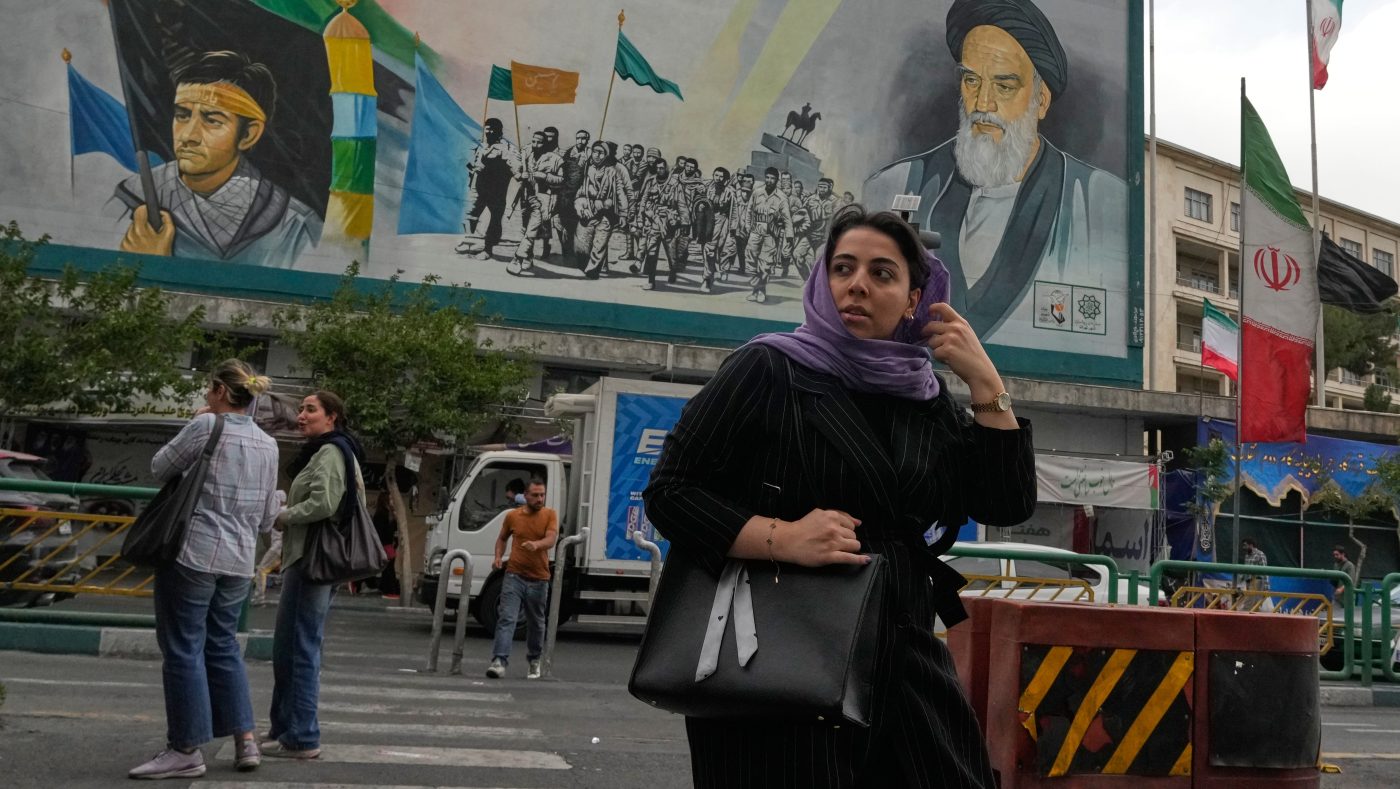
Tehran leveled a fresh accusation Tuesday that Washington had broken the April 8 ceasefire, following what the Pentagon described as self-defense strikes in southern Iran. The charge raises the specter of renewed Iranian retaliation against American military positions and regional allies, even as both sides engage in delicate talks to end the conflict.
Iran’s Foreign Ministry issued a statement condemning the U.S. actions in the Hormozgan region over the past 48 hours as a “gross violation” of the truce. “Iran holds the U.S. regime responsible for all the consequences resulting from these aggressive and unjustified actions,” the ministry declared.
The accusation comes on the heels of U.S. Central Command’s announcement Monday that it had conducted strikes targeting Iranian missile launch sites and boats laying mines in southern Iran. Capt. Tim Hawkins, a CENTCOM spokesperson, characterized the operations as defensive measures.
In a sharp escalation of rhetoric, the commander of Iran’s Islamic Revolutionary Guard Corps Aerospace Force, Seyed Majid Moosavi, posted on X that negotiations with the United States were “pure loss” and that the IRGC is “prepared for a decisive, swift response.” The statement, widely circulated on social media, signals that Iran’s military wing may be pushing for a more confrontational stance.
Iran’s Supreme Leader, Ayatollah Mojtaba Khamenei, who also serves as commander-in-chief of the IRGC, issued a warning of his own. In a statement posted on X, Khamenei declared that “the hands of time will not turn back, and the nations and lands of the region will no longer serve as shields for US bases.” He added, “The United States will no longer have a safe haven for its mischief and for establishing military bases in West Asia.”
The renewed military activity threatens to undermine the high-stakes negotiations that President Trump has touted as progressing. Trump posted on Truth Social on Monday that “negotiations with the Islamic Republic of Iran are proceeding nicely!” He warned, however, that it would be “a Great Deal for all or, no Deal at all — Back to the Battlefront and shooting, but bigger and stronger than ever before — And nobody wants that!”
The talks, now nearly three months old, aim to secure free passage through the Strait of Hormuz and impose restrictions on Iran’s nuclear program to prevent it from developing a weapon. The latest strikes, however, have given hardliners in Tehran ammunition to argue that diplomacy is futile.
For more context on the escalating tensions, see our report on U.S. strikes in Iran amid ongoing talks. Additionally, the IRGC’s posture is detailed in Khamenei’s declaration that U.S. bases are unsafe. For background on the defensive strikes, read the Pentagon’s account of the operations.