The United States carried out what it called defensive strikes in southern Iran on Monday, a move that underscores the fragile state of ongoing peace negotiations. The Pentagon described the operation as a measured response to recent provocations, while Iranian officials claimed to have shot down an American drone. The incident comes as both sides inch closer to a potential deal to end nearly three months of open conflict.
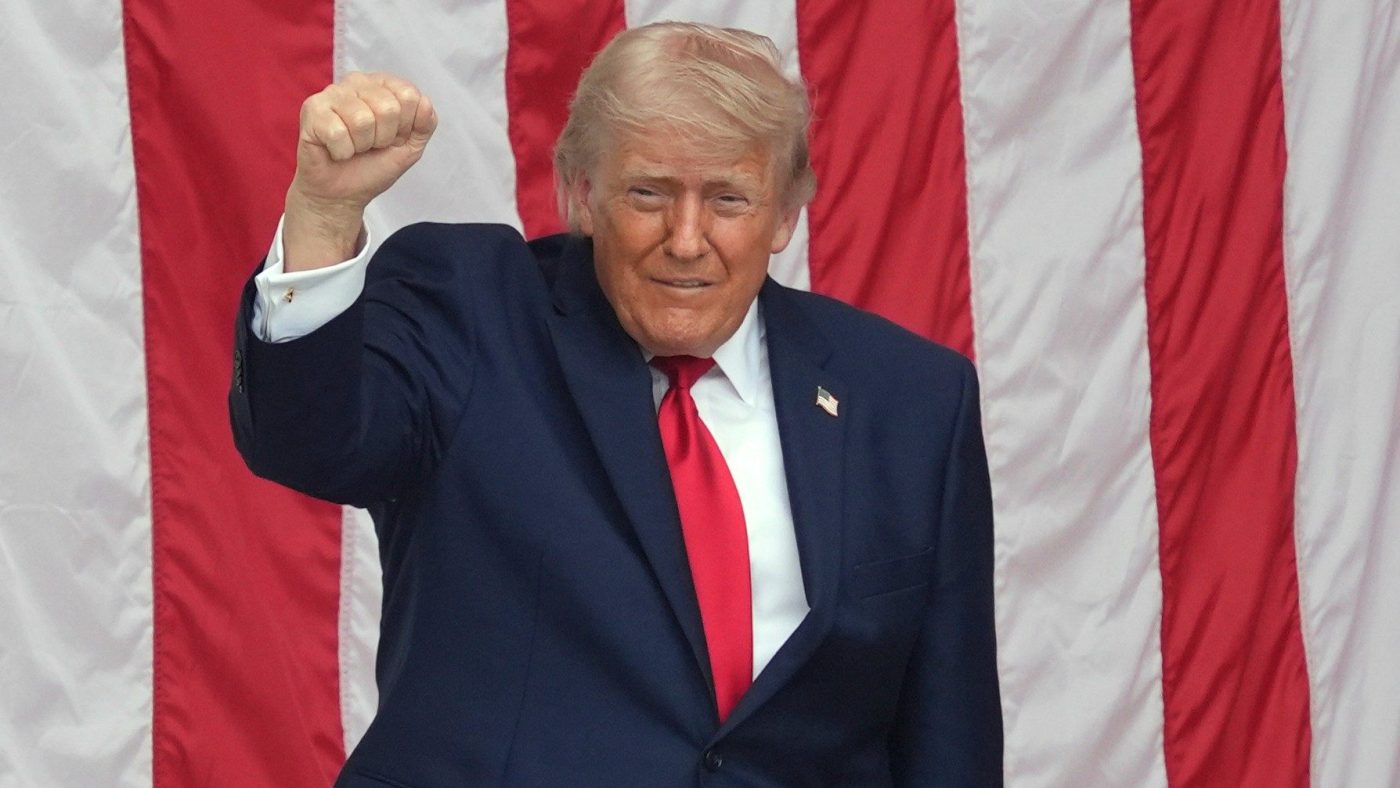
President Trump took to social media Monday night, demanding that Tehran immediately hand over what he termed its "nuclear dust" — a reference to enriched uranium stockpiles. The demand adds a new layer of tension to talks that have already been fraught with mistrust. Critics, including former National Security Advisor John Bolton, have warned that negotiating under fire is a strategic error. Bolton condemned the peace talks as a mistake, arguing they reward Iranian aggression.
Meanwhile, Tuesday is Election Day in Texas, where all eyes are on the Republican Senate runoff. Incumbent Senator John Cornyn faces a stiff challenge from Attorney General Ken Paxton, who has secured Trump's endorsement. Neither candidate won a majority in the March primary, forcing this head-to-head contest. The race is widely seen as a referendum on Trump's ability to sway GOP voters. Cornyn, a seasoned establishment figure, has sought to distance himself from the president's attacks, but Paxton has embraced the Trump brand. Trump's backing has given Paxton a surge, though Cornyn remains competitive.
Beyond the Senate race, Texas voters will also decide several other key primary runoffs, including contests for the state legislature and local offices. The results could signal the direction of the Republican Party in the nation's largest red state.
In Washington, both the House and Senate are on recess this week, but the political drama continues. Senate Republicans are increasingly frustrated with Trump's criticism of their party, with some feeling they are under siege from the White House. The Supreme Court is expected to release orders this morning, though no major rulings are anticipated.
President Trump's schedule includes a visit to Walter Reed National Military Medical Center for a routine checkup, followed by a series of meetings and a dinner in the White House Rose Garden this evening. Vice President Vance will host a roundtable with state attorneys general to discuss anti-fraud initiatives.
The strikes in Iran have drawn international attention, particularly as oil markets react to the volatility. Oil prices slid on Tuesday amid hints that talks could lead to a reopening of the Strait of Hormuz, a critical chokepoint for global energy supplies. Trump has touted progress in the negotiations, even as explosions have been reported near the strait. The president has outlined two potential paths for Iran's uranium stockpile, but no final agreement has been reached.
As the day unfolds, the convergence of military action, high-stakes diplomacy, and a pivotal primary election underscores the volatile nature of American politics and foreign policy in the Trump era.