Crude oil prices tumbled Monday morning as Washington and Tehran explored a potential agreement to end hostilities and reopen the Strait of Hormuz, a vital chokepoint for global energy supplies. West Texas Intermediate crude fell by over 6.1 percent to $90.68 per barrel, while Brent crude dropped a similar margin to $97.22, signaling market optimism that a diplomatic resolution may be within reach.
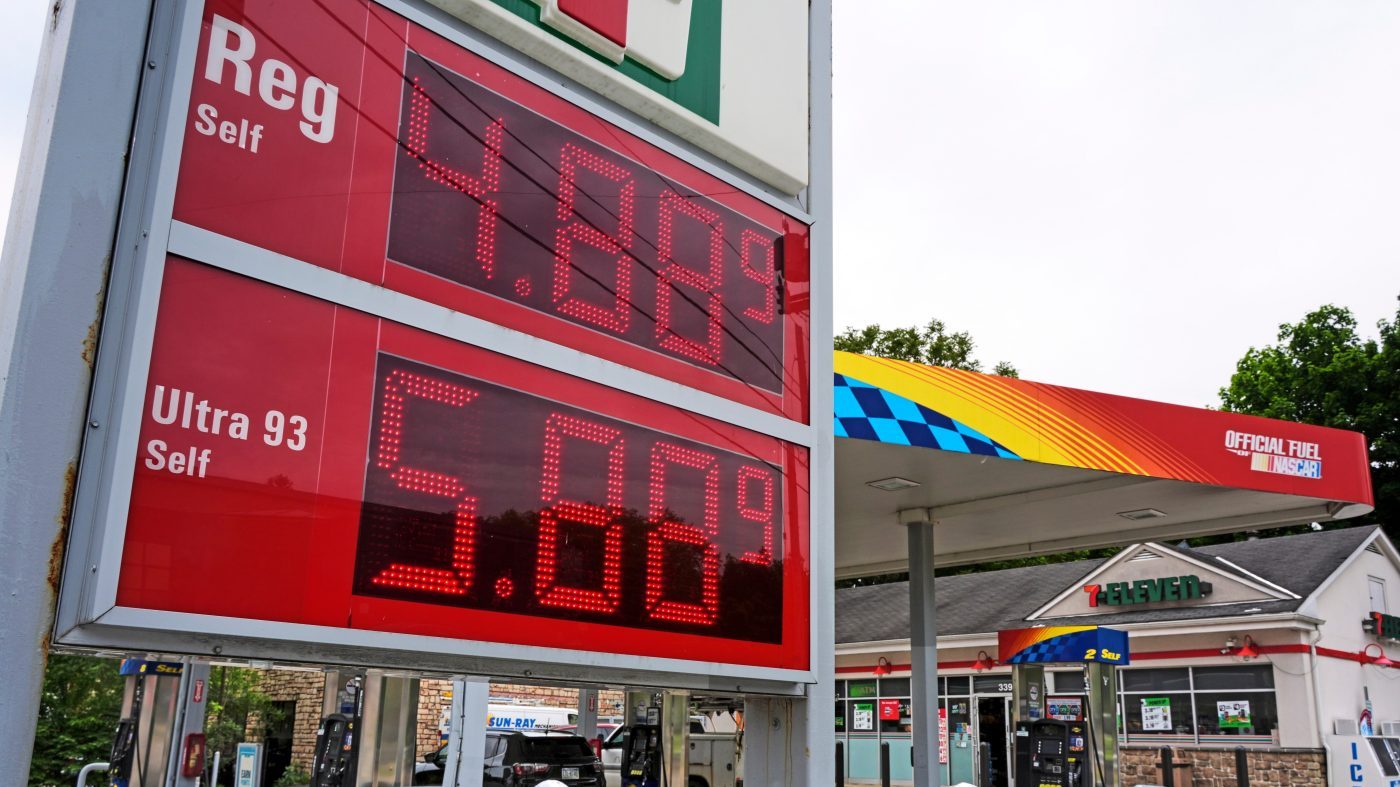
The decline at the wholesale level translated into only a modest dip at U.S. gas pumps. The national average for regular gasoline stood at roughly $4.50 per gallon on Monday, down less than a penny from the previous day and barely changed from a week earlier, according to AAA. Diesel prices fell more sharply, dropping more than three cents over the past week to under $5.60 per gallon.
Despite the still-elevated fuel costs, AAA projected last week that over 39 million Americans would travel by car over Memorial Day weekend, setting a new record. Tiffany Wright, a spokesperson for AAA’s The Auto Club Group, noted that while travel demand remains strong, “higher fuel prices and persistent inflation may cause some travelers to shorten trips, delay plans, or stay closer to home.”
Behind the market moves are reported negotiations between the Trump administration and Iranian officials. Multiple outlets on Sunday indicated that the two sides are discussing terms for a deal that would see the U.S. lift its naval blockade of Iranian ports in exchange for Iran disposing of its stockpile of highly enriched uranium. CBS News’s Jennifer Jacobs was among those reporting the potential framework.
The U.S. Navy began blockading Iranian ports last month after Iran restricted shipping in the Strait of Hormuz, a waterway that carries about one-fifth of the world’s oil. That action sent shockwaves through global energy markets, pushing U.S. gasoline prices sharply higher from below $3 per gallon before American and Israeli strikes on Iran began. U.S. Central Command said Saturday that the blockade had so far redirected 100 ships from the strait.
President Trump weighed in Monday, stating that any deal between his administration and Iran “will either be a great or meaningful one, or there will be no deal.” The remark underscores the high stakes and uncertainty still surrounding the talks.
Patrick De Haan, head of petroleum analysis at Gas Buddy, cautioned that real relief at the pump depends on a signed agreement and a visible return of shipping traffic. “Until we see an agreement signed & a significant amount of ships transit through the Strait,” he wrote on social media Sunday, the national average “will likely remain well above” $4 per gallon. He added: “Only once we start seeing confidence and ships move will prices plummet.”
The pace of shipping through the strait remains a fraction of normal levels. According to hormuzstraitmonitor.com, just two ships passed through the waterway in the last 24 hours, compared with a pre-war average of 60 vessels per day. That bottleneck continues to keep global supply chains under pressure and fuel prices elevated.
For a deeper look at how the conflict is reshaping energy markets, read our analysis on why gas prices could spike again if no deal is reached. The broader economic toll is also evident in recent record-high gas prices straining the U.S. economy.
As negotiations continue, traders and consumers alike are watching for any sign of a breakthrough that could restore the flow of oil through the Strait of Hormuz and bring down prices at the pump. For now, the outlook remains cautious, with analysts warning that until a deal is sealed and ships begin moving in volume, Americans should brace for continued high fuel costs.