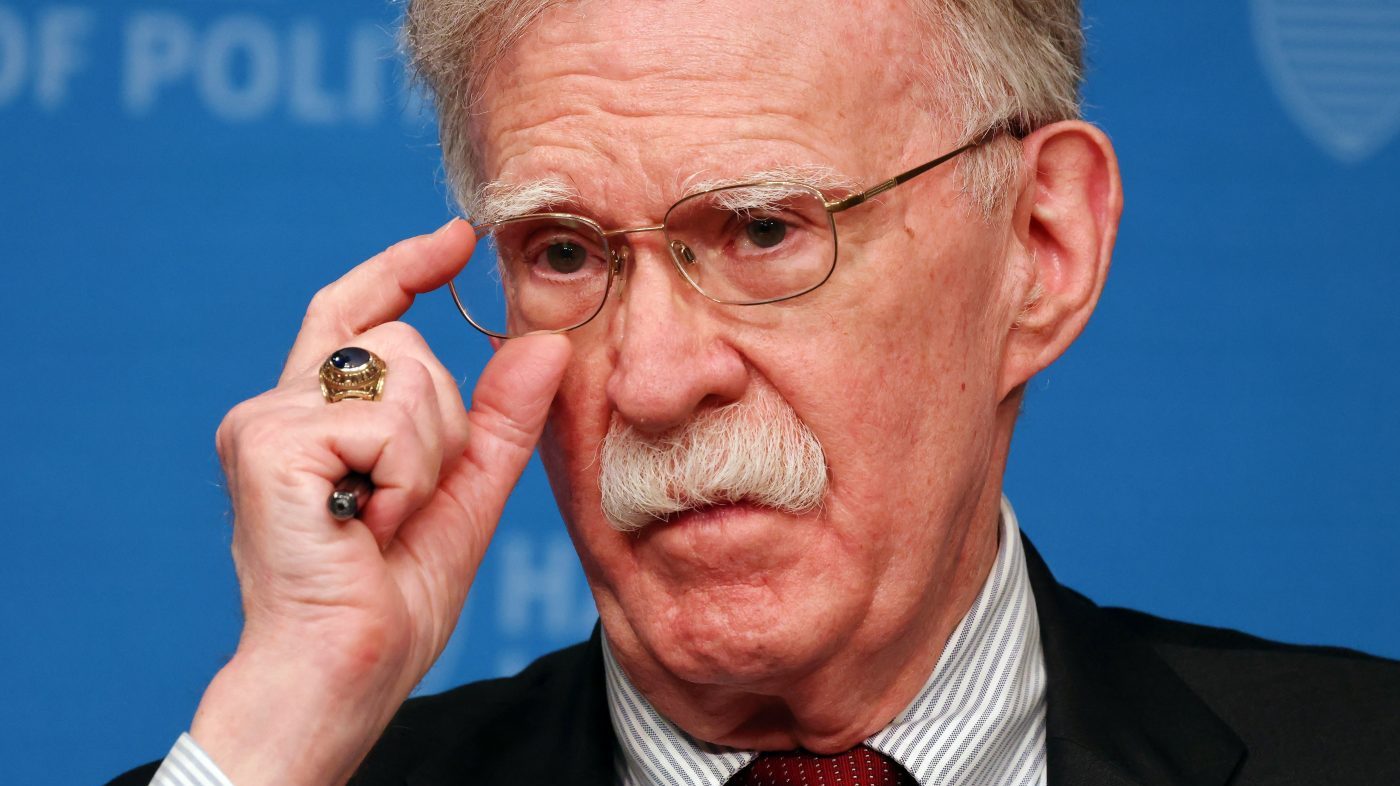
Former White House National Security Adviser John Bolton on Monday labeled ongoing U.S.-Iran peace negotiations as a strategic blunder, expressing hope the talks would collapse. In an interview with CNN's Pamela Brown, Bolton argued the ceasefire and subsequent discussions favor Tehran at Washington's expense.
“I think the ceasefire was a mistake,” Bolton said. “I think these negotiations are a mistake. I think we’re on the verge of something that ultimately history will decide was a catastrophic loss for the United States.” He warned that the U.S. has inflicted significant damage on Iran's regime but is now allowing it to recover, calling that outcome “a real tragedy, not just for us, but for the people in the region too.”
Bolton specifically criticized the reported 60-day extension of the ceasefire, suggesting Iran is exploiting the timeline to stretch out talks. “I don’t think Donald Trump is analyzing what America’s strategic interests are here,” Bolton said. “I think he’s looking at the price of gas at the pump, and he’s doing whatever he can to bring it down.”
The former national security adviser has been a vocal opponent of the administration's approach since the conflict began. Last week, he called for an end to the ceasefire and urged the U.S. to forcibly reopen the Strait of Hormuz, a critical waterway through which about 20% of the world's oil passes. Its effective closure since February has driven global energy prices higher, with the national average gas price hovering around $4.50 per gallon, according to AAA.
“Iran has to learn the lesson it cannot get its way in the Gulf by military force,” Bolton added. “It’s reasonable to ask, why didn’t the administration think of this at the beginning of the war? I don’t know the answer to that question, but the answer now is not to have a diplomatic deal that can be reversed, like by Iran, like turning a light switch on and off.”
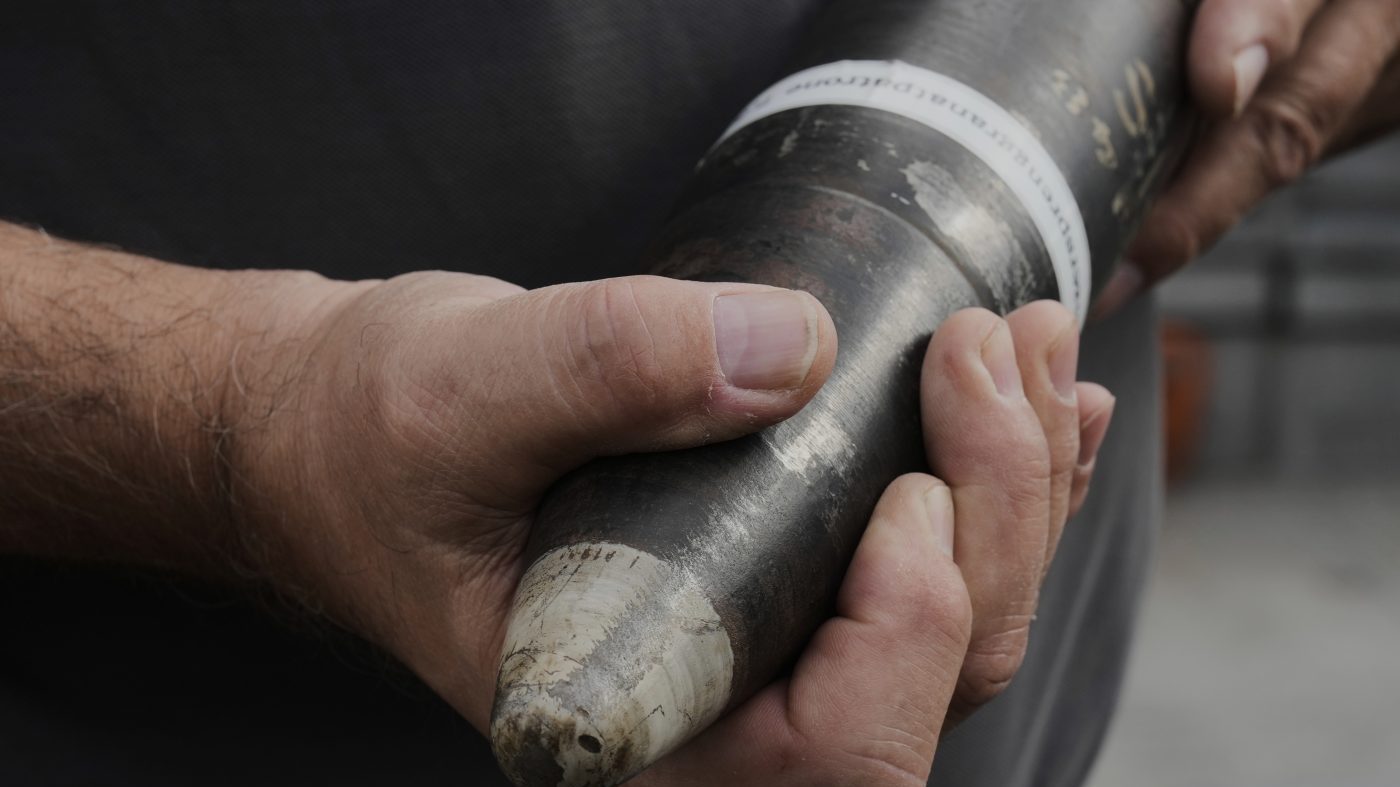
The U.S. and Iran are currently negotiating a potential peace deal that includes reopening the Strait of Hormuz. A major sticking point remains Iran's nuclear program, particularly its enriched uranium stockpile. The Trump administration has repeatedly labeled Iran an “imminent nuclear threat” and insists Tehran cannot possess a nuclear weapon, while Iran maintains its program is for peaceful purposes. The talks have explored two paths for Iran's uranium stockpile, but no breakthrough has been announced.
Bolton also attacked President Trump directly, accusing him of being overly eager for a deal. “He thinks everybody wants to make a deal on just about everything,” Bolton said, calling Trump “palpably desperate to have a deal.” He added that Iran is “playing him on that, they’re stretching him out, they’re buying time. All of that works in their advantage.”
The criticism comes amid broader Republican unease over the negotiations, with some lawmakers warning that a hasty agreement could undermine U.S. leverage. The administration has defended its approach, pointing to recent oil price slides as a sign of progress in diplomatic efforts.