Vance Confronts Diplomatic Test in Islamabad
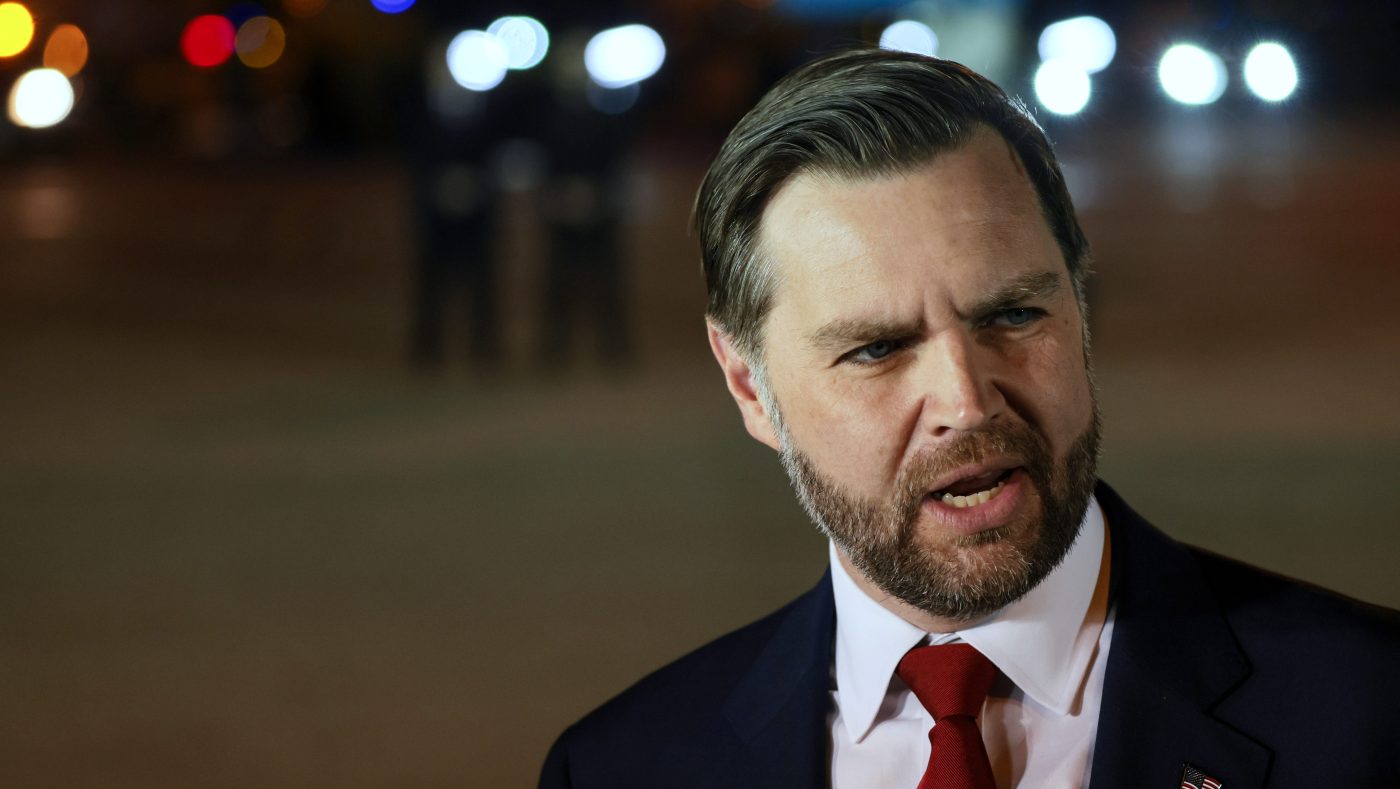
Vice President J.D. Vance has arrived in Islamabad to lead the American delegation in direct negotiations with Iranian officials, a mission that represents the most significant diplomatic challenge of his tenure. The talks aim to solidify a fragile ceasefire that has held for six weeks following open hostilities between the two nations. President Donald Trump has dispatched a high-level team to support Vance, including special envoy Steve Witkoff and senior advisor Jared Kushner, underscoring the administration's focus on the outcome.
The negotiations occur against a complex regional backdrop. Iran has issued warnings that progress is contingent on Israel halting strikes in Lebanon, a position that complicates the U.S. mediation effort. As Vance navigates these high-stakes talks in Islamabad, his political future and the administration's foreign policy credibility are on the line.
Economic Fallout Hits Home as Inflation Jumps
Back in the United States, the economic consequences of the conflict became starkly clear with the release of March's Consumer Price Index. Annual inflation rose to 3.3%, driven primarily by an 11% surge in energy costs directly linked to the war's disruption of global oil markets. This data provides concrete evidence of how international instability is translating into higher prices for American consumers.
The new figures will likely intensify the political debate over economic stewardship. For more details on the economic impact, see our report on the U.S. inflation surge driven by the Iran conflict.
Legal and Political Battles Escalate Domestically
On the legal front, President Trump's recently imposed tariffs are headed for a pivotal court challenge. The U.S. Court of International Trade is considering a lawsuit filed by a coalition of Democratic-led states and small business groups seeking an injunction to block the levies. The case represents a significant test of executive trade authority.
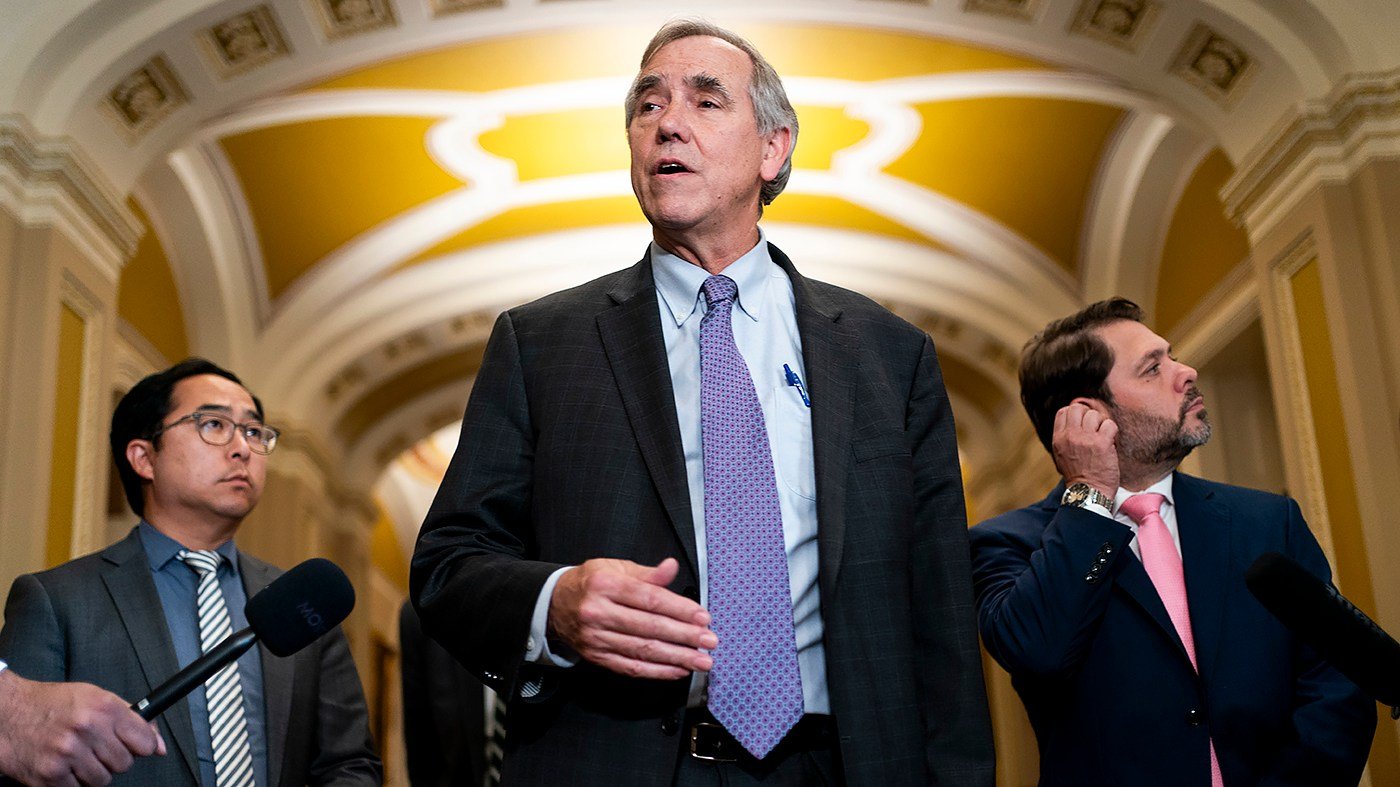
Concurrently, congressional Democrats are moving to check the administration's military autonomy. Senate Democrats are forcing a vote on legislation designed to curb the president's authority to expand the conflict with Iran, a direct response to the ongoing hostilities. This legislative maneuver highlights the deep partisan divisions over war powers, even as ceasefire negotiations proceed.
2028 Contenders Begin to Mobilize
The political landscape for the next presidential cycle is already showing early signs of activity. Former Vice President Kamala Harris is set to deliver a keynote address at the Rev. Al Sharpton's annual National Action Network convention in New York. Her appearance is part of a calibrated increase in her public profile as speculation about a 2028 presidential run builds. She will be followed at the event by former Transportation Secretary Pete Buttigieg, another potential Democratic contender.
Meanwhile, President Trump will attend a meeting and dinner in Charlottesville, Virginia, hosted by the major super PAC supporting his campaign, MAGA Inc. The event signals his continued focus on consolidating his political base and fundraising apparatus ahead of the election.
A Region on Edge
The situation in the Middle East remains volatile, with parallel tensions threatening to undermine the U.S.-Iran dialogue. Israeli Prime Minister Benjamin Netanyahu has ordered his government to engage in direct talks with Lebanon amid escalating cross-border strikes targeting Hezbollah positions. This separate but related conflict has prompted Iran to declare that U.S.-brokered ceasefire talks are "meaningless" if Israeli military actions continue, creating a difficult linkage for Vance's team to manage.
Further complicating matters, Iran has publicly accused the United States of violating the preliminary ceasefire framework, calling the current round of negotiations "unreasonable." Vance has attempted to downplay the discord, attributing it to a "legitimate misunderstanding" over the Lebanon situation. The success of the Islamabad talks may hinge on resolving this triangular tension between Washington, Tehran, and Jerusalem.