Vice President's Crucial Test in Islamabad
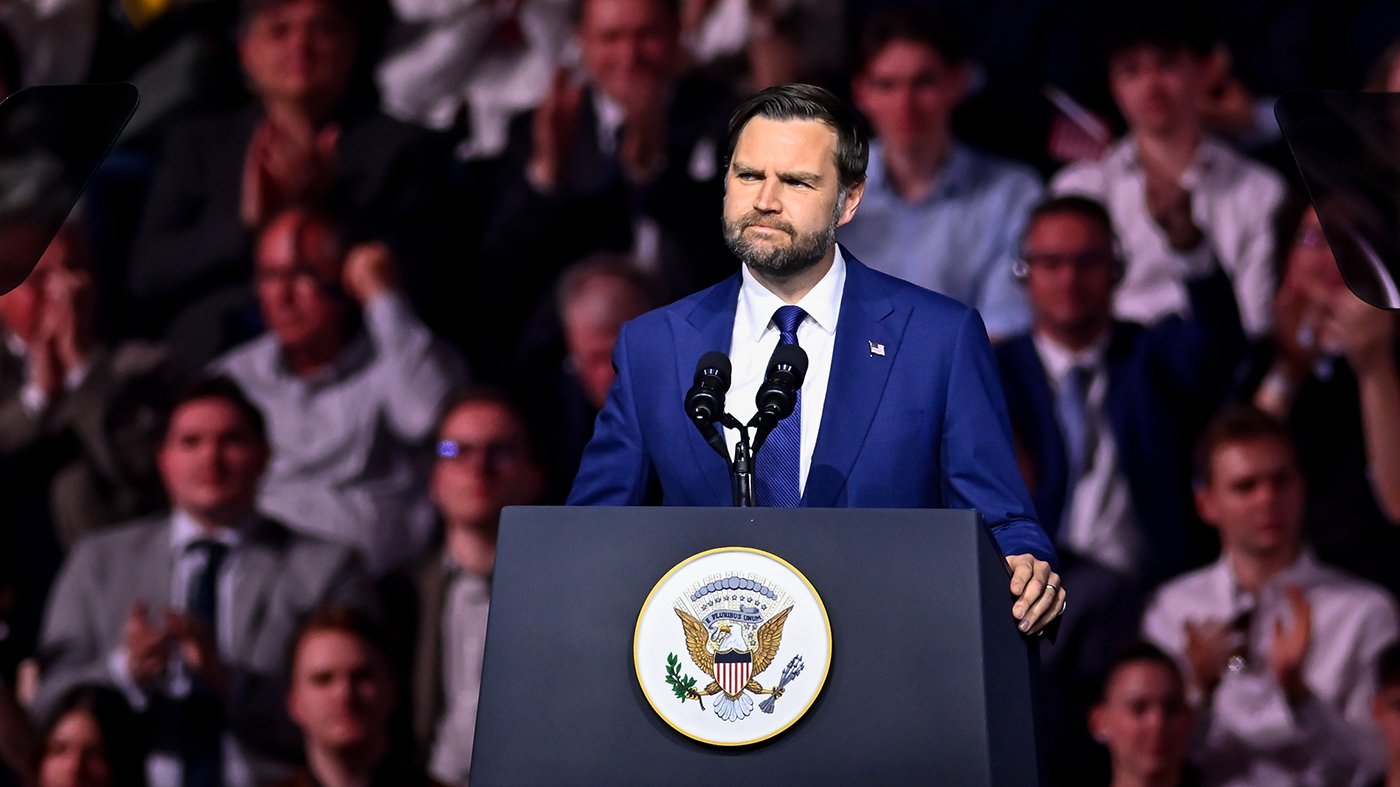
Vice President JD Vance arrives in Islamabad on Friday to spearhead the most critical diplomatic mission of his tenure: salvaging a precarious ceasefire with Iran and forging a durable peace agreement. The outcome carries profound weight for the final stretch of President Trump's term and will significantly shape Vance's political trajectory as the perceived frontrunner for the 2028 Republican presidential nomination.
Negotiating Amidst Skepticism and Leverage
Vance, who has been the most prominent internal skeptic of the U.S. military engagement in Iran, now shoulders the responsibility of ending it. His dovish instincts contrast with more hawkish figures like Secretary of State Marco Rubio, a potential 2028 rival. Despite his private reservations, Vance has publicly backed the conflict, a loyalty Trump has acknowledged while noting their philosophical differences. The president has now delegated the monumental task of winding down the war to his vice president.
The negotiations, which include Special Envoy Steve Witkoff and Jared Kushner, face immediate obstacles. The most contentious issue is whether Israel's ongoing military campaign against Hezbollah in Lebanon falls under the ceasefire's purview. As Iran has warned that talks are futile if strikes continue, the situation remains volatile. Trump recently confirmed he urged Israeli Prime Minister Benjamin Netanyahu to scale back operations to avoid jeopardizing the U.S.-Iran truce.
A Weakened but Dangerous Adversary
The Iranian delegation, expected to include Parliamentary Speaker Mohammad Bagher Ghalibaf and Foreign Minister Abbas Araghchi, represents a regime fundamentally altered by the conflict. "The Iranian regime in its current state is in a very different place from what it traditionally is," said Jacob Olidort of the America First Policy Institute. "They're trying to centralize command and control, which has been completely eroded because of Operation Epic Fury."
Despite significant military and economic damage, Iran retains a powerful card: the ability to disrupt oil transit through the Strait of Hormuz. This threat has already fueled soaring energy prices, increasing political pressure on the Trump administration to secure a deal, especially in a midterm election year. Recent disputes over the Strait have been contentious, as detailed in our report on Trump's accusations of Iranian violations.
Domestic Political Crosscurrents
The war's domestic support is fraying. A recent Economist/YouGov poll found only 34% of Americans support the conflict, with 53% opposed. While 67% of Republicans still back it, influential conservative voices like Tucker Carlson and Megyn Kelly have grown critical. Former Rep. Marjorie Taylor Greene expressed optimism about Vance's role, stating, "I very much hope that JD Vance is successful because it seems his voice is the one that is really pushing for peace."
Vance has already struck a more conciliatory tone than other administration officials. He recently described a dispute over the Lebanon fighting as a "legitimate misunderstanding," softer rhetoric than colleagues who labeled Iranian demands unreasonable. When asked if Tehran requested his involvement, Vance replied, "I don't know that. I would be surprised if that was true. I wanted to be involved because I thought I could make a difference."
High Stakes for Peace and Ambition
A former Trump administration official underscored the difficulty ahead: "This is probably the toughest thing he'll do as vice president. It's not going to be easy. These are the toughest negotiators in the world." The official dismissed the idea that Vance's personal views drove his selection, arguing that "sending the vice president shows that it's a higher priority because he's only second to the president."
The political stakes for Vance are immense. Success would bolster his credentials as a statesman capable of managing complex international crises, a vital asset for a future presidential campaign. Failure could undermine his reputation and the administration's foreign policy legacy. The talks occur against a backdrop of severe regional tension, where divisions over Lebanon and the Strait of Hormuz run deep. As Vance engages with a battered but defiant Iranian leadership, his performance will be scrutinized as both a diplomatic endeavor and a pivotal moment in his ascent within the Republican Party.